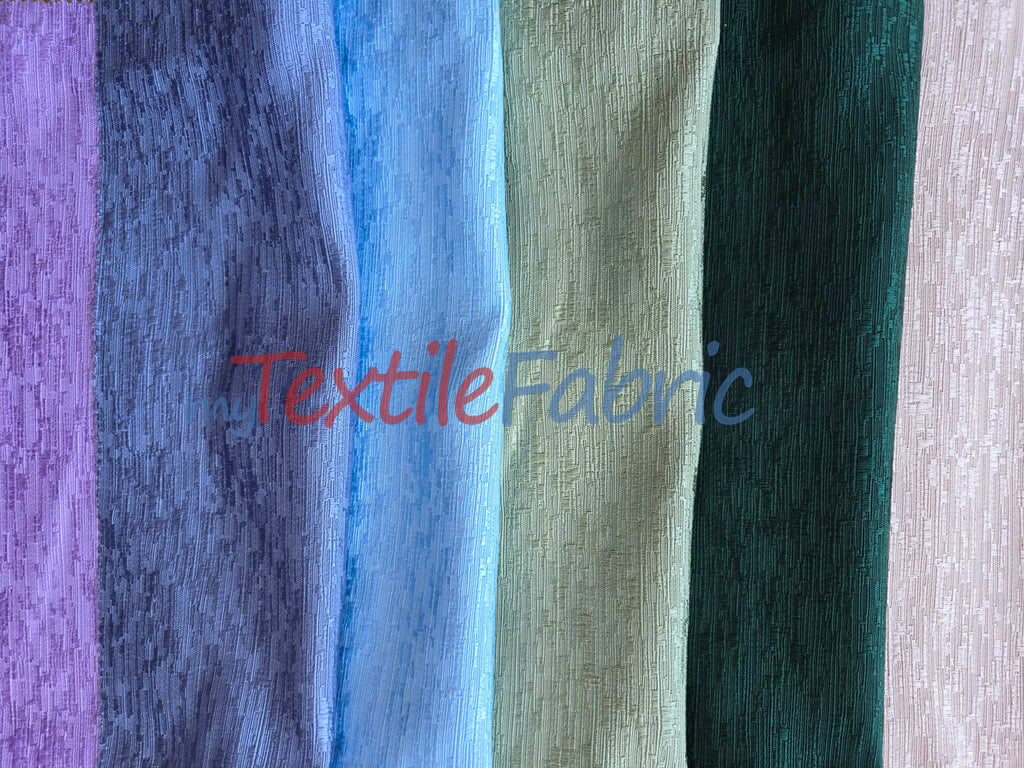
A stage backdrop does more than cover a wall. It helps set the mood, frames important moments, and gives the entire event a more polished appearance. While plain fabrics work well for simple setups, patterned materials can bring extra depth and character to a stage. Jacquard brocade fabric is one option worth considering because its woven designs can add detail without relying on printed graphics or extra decorations.
Layered stage draping gives designers even more room to experiment. By combining patterned materials with sheer panels, solid colors, and different fabric weights, they can build a backdrop that feels rich but still balanced. The trick is to use patterns with a clear purpose rather than covering every surface with decoration.
Patterns Bring More Character to Stage Backdrops
A plain backdrop can look neat and professional, but it may not always create the visual impact an event needs. Patterned fabrics introduce shapes, lines, and repeating details that make a stage more interesting. Depending on the design, they can support a classic, festive, luxurious, or artistic theme.
Woven patterns are especially useful because their details are part of the fabric’s structure. They may appear subtle from a distance and become more noticeable as guests get closer. This quality makes them suitable for formal dinners, cultural programs, weddings, award ceremonies, and themed celebrations.
Designers can also use patterns to connect the backdrop with other decorative elements. A fabric with floral or ornamental details may complement traditional centerpieces, while geometric designs can work with more modern stage layouts.
Why Layering Makes Patterned Fabrics More Effective
Using a patterned fabric across an entire stage can sometimes make the display feel too busy. Layering helps solve this problem. It allows designers to use decorative material as a feature while keeping the rest of the backdrop visually calm.
A patterned center panel, for instance, can be framed with plain drapes on both sides. Sheer fabric can then be placed in front of or around the main panel to soften the overall appearance. This approach creates depth without hiding the pattern.
Layering also gives designers more control over color and texture. They can use a darker fabric at the back, a lighter material in the middle, and a decorative panel near the front. Each layer plays a different role, making the stage look more complete.
Adding Texture With Jacquard and Brocade Designs
Some fabrics stand out because of their surface texture rather than their color alone. Jacquard brocade is interesting in this regard because its decorative patterns are woven into the material. Depending on the construction, the designs may include raised details, floral motifs, scrolls, or other ornamental shapes.
This type of fabric can bring a formal touch to stage draping. It works particularly well for events that call for a rich visual style, such as traditional weddings, anniversary celebrations, cultural functions, and gala dinners.
Brocade-inspired patterns can also help create a focal point. Instead of adding multiple decorative objects, designers can use one detailed fabric panel to draw attention to the center of the stage. Pairing it with simple drapes allows the woven design to take the lead.
However, not every patterned fabric has the same weight or drape. Some brocade materials are firm and structured, while others are more flexible. Checking the fabric’s construction before planning the installation can help avoid problems during setup.
Choosing Patterns That Match the Event Theme
The pattern should make sense for the event rather than compete with its theme. Large floral motifs may suit romantic or traditional celebrations, while smaller repeating patterns can work well in formal settings. Geometric designs may be a better fit for business events or contemporary performances.
Color is just as important. Gold, burgundy, navy, and deep green can support a rich, formal appearance. Meanwhile, silver, ivory, blush, and muted blue can create a softer look.
Designers should also consider the stage size. Large patterns may look impressive on wide backdrops, but they can overwhelm smaller stages. Fine details, on the other hand, may become difficult to notice from the audience. Viewing fabric samples from different distances can help with this decision.
Combining Patterned Fabrics With Sheer and Solid Materials
A good layered backdrop usually includes more than one type of fabric. Solid materials give the eye a place to rest, while sheer fabrics introduce softness and movement. Patterned panels add detail and help the design stand out.
For instance, a brocade center panel can be paired with plain velvet side drapes and lightweight organza overlays. This combination brings together different textures without making the stage look crowded. Chiffon can also be used around the edges to create a softer transition between the backdrop and the surrounding space.
When working with jacquard brocade fabric, designers should pay attention to how the pattern interacts with nearby materials. A heavily detailed panel may need simple supporting fabrics, while a subtle woven design can work with more decorative layers.
It is also helpful to limit the number of competing patterns. Mixing several bold designs can make the backdrop look disorganized, so one main pattern is often enough.
Using Lighting to Highlight Fabric Patterns
Lighting can change how patterned fabrics appear on stage. Direct lighting may bring out woven details, while softer lighting can create a more subtle effect. Side lighting can also highlight surface texture and make certain patterns easier to see.
However, the fabric’s color and finish affect the result. Metallic threads or shiny surfaces may reflect strong lights, while darker materials can absorb more light and appear less detailed. Designers should test the backdrop under the venue’s actual lighting conditions before the event.
This is especially important for stages used for photography and video recording. A pattern that looks attractive in person may appear too busy on camera, particularly when combined with bright lighting and other decorative elements.
Planning Fabric Quantity and Installation
Layered draping requires careful measurements. Designers should account for the stage width, backdrop height, desired folds, and extra fabric needed for overlaps. Pattern matching may also require additional yardage, especially when several panels need to connect smoothly.
Before installation, check the fabric’s weight and decide which support system is suitable. Heavier materials may need stronger tracks, rods, or rigging than lightweight sheer fabrics. All panels should be secured properly, and venue safety requirements should be followed. Where required, use fabrics with the appropriate flame-retardant documentation.
Creating a Stage That Feels Balanced and Memorable
Patterned fabrics give event designers another way to make stage décor more expressive. They introduce detail, support the event theme, and create interesting contrasts when combined with plain and sheer materials. Jacquard brocade fabric can be particularly useful for adding woven texture to formal stage settings, while lighter fabrics help balance its decorative appearance.
The best results come from thoughtful combinations. A well-placed patterned panel, suitable colors, and carefully arranged layers can turn a simple stage into a visually appealing focal point without making the entire setup feel overwhelming.