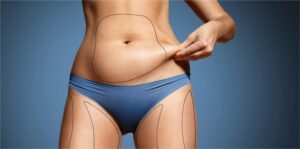
Pregnancy brings significant changes to a woman’s body, particularly around the abdomen. As the baby grows, the abdominal skin stretches to accommodate the expanding uterus, while the underlying muscles and connective tissues also experience considerable pressure. Although many of these changes improve naturally after childbirth, some women continue to experience loose skin, reduced abdominal firmness, and changes in their waistline long after pregnancy. When exercise and a balanced lifestyle cannot address these concerns, abdominoplasty may be considered as a surgical option.
For women exploring Abdominoplasty dubai, understanding how pregnancy-related skin stretching influences surgical planning is an important part of the decision-making process. Every abdomen responds differently to pregnancy, meaning the surgical approach must be based on individual anatomy, skin elasticity, muscle condition, and personal aesthetic goals. Rather than following a standard technique, a carefully planned procedure considers how pregnancy has affected the entire abdominal area and what improvements can realistically be achieved.
Understanding How Pregnancy Changes Abdominal Skin
During pregnancy, the abdominal skin gradually expands as the uterus increases in size. The skin contains collagen and elastin fibres that provide structure, flexibility, and the ability to return to its original shape after stretching. However, prolonged expansion can affect these fibres, reducing their ability to contract fully once the pregnancy ends.
The degree of stretching varies between individuals. Factors such as genetics, the number of pregnancies, weight fluctuations, age, and natural skin characteristics can influence how the abdomen changes. Some women regain much of their previous skin firmness, while others develop persistent excess skin that remains noticeable even after reaching a stable weight.
Pregnancy-related stretching can also affect different areas unevenly. The lower abdomen may develop hanging skin folds, while the area around the navel can lose its original contour. These changes are important considerations when determining the amount of skin that may need to be removed during abdominoplasty.
Why Skin Elasticity Matters in Abdominoplasty Planning
Skin elasticity is one of the most important factors surgeons evaluate before performing a tummy tuck. Elasticity describes the skin’s ability to stretch and return towards its previous shape. When this ability is reduced after pregnancy, the skin may not tighten naturally, even when the patient maintains a healthy weight.
During consultation, the surgeon examines the abdomen to understand how much loose skin is present and where it is concentrated. The assessment also considers the thickness, texture, and overall condition of the skin.
If excess skin is primarily located below the belly button, a more limited surgical approach may be appropriate in selected cases. However, when stretching affects the upper and lower abdomen, a full abdominoplasty may be more suitable.
The objective is to determine how much skin can be removed while allowing the remaining tissue to be positioned naturally. This helps establish the surgical technique, incision placement, and expected abdominal contour.
How Multiple Pregnancies Can Influence Surgical Decisions
Women who have experienced multiple pregnancies may notice more significant abdominal changes than those who have been pregnant once. Repeated stretching can place additional pressure on the skin and abdominal wall, potentially reducing elasticity and changing the natural shape of the midsection.
However, the number of pregnancies alone does not determine the complexity or extent of surgery. Some women experience considerable skin laxity after one pregnancy, while others retain relatively good elasticity after several pregnancies.
For surgical planning, the surgeon considers the cumulative effects of pregnancy rather than relying on pregnancy history alone. Particular attention is given to the amount of loose skin, the position of the abdominal muscles, and the distribution of tissue around the waist.
Women who have completed their family planning may find it easier to consider long-term surgical results. Another pregnancy can stretch the abdominal tissues again, potentially changing the appearance achieved through surgery.
The Relationship Between Skin Stretching and Abdominal Muscle Separation
Pregnancy does not only affect the skin. As the abdomen expands, the two vertical rectus abdominis muscles may gradually move apart. This condition is commonly known as diastasis recti.
Muscle separation can contribute to a rounded or protruding abdominal appearance, even when excess body fat is not a major concern. Some women notice that their stomach continues to look prominent after childbirth despite returning to their previous weight.
During an abdominoplasty assessment, the surgeon examines the abdominal wall to determine whether muscle separation is present and whether repair may be appropriate.
If necessary, muscle plication can be incorporated into the procedure. This involves bringing the separated muscles closer together with internal sutures to improve abdominal wall support and create a firmer-looking midsection.
The decision to include muscle repair depends on the patient’s anatomy, symptoms, and surgical goals. Skin removal alone may not address abdominal protrusion when muscle separation is a significant contributing factor.
Choosing Between Full and Mini Abdominoplasty
The extent of pregnancy-related skin stretching plays an important role in selecting the appropriate type of abdominoplasty. Not every woman requires the same surgical approach, and the distinction between a full and mini tummy tuck depends largely on the location and amount of excess skin.
Full Abdominoplasty
A full abdominoplasty is generally considered when loose skin affects a substantial portion of the abdomen, including the area above and below the belly button.
This procedure typically involves removing excess skin from the lower abdomen, repositioning the remaining skin, and creating a new opening for the belly button. Muscle repair may also be included when abdominal separation is present.
For women whose pregnancies have resulted in widespread skin laxity and changes in abdominal muscle structure, this approach may provide a more comprehensive improvement.
Mini Abdominoplasty
A mini abdominoplasty may be appropriate for women with a relatively small amount of loose skin concentrated below the belly button.
It generally involves a shorter incision and a more limited amount of skin removal. Depending on individual anatomy, it may not require repositioning the belly button.
Women with significant upper abdominal skin stretching or extensive muscle separation may not achieve their desired results with this technique.
The surgeon evaluates the distribution of loose skin before recommending either approach, ensuring that the selected procedure addresses the actual anatomical concerns.
Why Belly Button Positioning Requires Careful Consideration
The belly button is an important feature of natural abdominal appearance. Pregnancy-related stretching can change its position, shape, and surrounding skin.
As the abdomen expands, the navel may become stretched or appear wider. After childbirth, these changes may remain, particularly when the surrounding skin has lost elasticity.
During a full abdominoplasty, the surgeon generally separates the belly button from the surrounding skin while repositioning the abdominal tissue. A new opening is created to bring the navel through the tightened skin.
Planning its final position requires attention to abdominal proportions, waistline shape, and the patient’s natural anatomy. The aim is to achieve a balanced appearance rather than simply placing the belly button at a predetermined measurement.
This aspect of surgical planning is especially important for women who have experienced considerable stretching around the central abdomen.
How Weight Stability Influences Surgical Planning
Although pregnancy-related skin stretching is a major concern, weight stability is another important consideration before abdominoplasty.
After childbirth, some women continue to experience gradual changes in body weight. These fluctuations can influence the amount of abdominal fat and the appearance of the remaining skin.
Surgeons generally recommend reaching a stable, maintainable weight before considering surgery. Significant weight changes after abdominoplasty can affect the abdominal contour and may alter the surgical outcome.
It is also important to understand the difference between excess skin and excess fat. Abdominoplasty primarily addresses loose skin and may include muscle repair. Liposuction can sometimes be incorporated to improve fat distribution around selected areas, depending on the patient’s anatomy and treatment plan.
A detailed assessment helps determine whether skin removal alone, muscle repair, liposuction, or a combination of techniques is appropriate.
What Happens During the Pre-Surgical Assessment?
A personalised consultation is essential for understanding how pregnancy has affected the abdomen. Rather than focusing exclusively on visible loose skin, the surgeon evaluates the entire abdominal structure to develop a suitable surgical plan.
The assessment commonly includes:
- Skin laxity: Examining the amount, location, and severity of excess abdominal skin.
- Skin elasticity: Evaluating how much natural contraction remains in the abdominal tissue.
- Muscle condition: Checking for abdominal muscle separation and changes in abdominal wall support.
- Fat distribution: Identifying areas where localised fat may contribute to abdominal fullness.
- Belly button position: Assessing its shape, location, and relationship with the surrounding skin.
- Surgical goals: Discussing the patient’s expectations and the improvements that may be achievable.
Medical history, previous abdominal procedures, general health, and future pregnancy plans are also considered.
For women researching Abdominoplasty Cost in dubai, this consultation is particularly useful because the extent of treatment can influence the overall surgical plan and associated fees. A full procedure involving extensive skin removal and muscle repair may require a different approach from a more limited operation.
When Is the Right Time to Consider Abdominoplasty After Pregnancy?
Timing is an important part of planning surgery after childbirth. The body needs sufficient time to recover from pregnancy, and abdominal tissues may continue changing during the months following delivery.
Many surgeons recommend waiting until the patient has recovered fully, completed breastfeeding where applicable, and achieved a stable weight before considering elective abdominoplasty.
There is no single timeline that applies to every woman. Individual recovery, skin condition, abdominal muscle changes, and overall health all influence when surgery may be appropriate.
Women who are planning another pregnancy may also wish to postpone the procedure. A future pregnancy can stretch the skin and abdominal muscles again, potentially changing the results.
Discussing these factors during consultation allows the surgeon to recommend a suitable timeframe based on individual circumstances.
Setting Realistic Expectations for Abdominal Contouring
Abdominoplasty can improve the appearance of excess abdominal skin and, when appropriate, address separated abdominal muscles. However, understanding what surgery can and cannot achieve is essential.
The procedure is not intended as a weight-loss solution. It is generally considered for individuals who are close to their preferred weight but continue to experience loose skin or abdominal changes that do not respond to lifestyle measures.
The final appearance depends on several factors, including skin quality, natural body proportions, surgical technique, and the extent of pregnancy-related changes.
Patients should also understand that the goal is to create a flatter and more proportionate abdominal contour rather than guarantee an exact replica of their pre-pregnancy body.
Clear communication between the patient and surgeon helps establish achievable expectations and supports informed decision-making.
Conclusion
Pregnancy-related skin stretching can have a lasting influence on abdominal appearance, affecting skin elasticity, belly button position, muscle structure, and overall waistline proportions. These changes make individualised surgical planning particularly important when considering a tummy tuck.
For women exploring Abdominoplasty dubai, selecting the appropriate surgical technique involves more than determining how much loose skin needs to be removed. A comprehensive assessment considers the extent of stretching, abdominal muscle separation, skin quality, weight stability, and long-term personal goals.
Whether a full or mini abdominoplasty is appropriate depends on the patient’s individual anatomy and the changes caused by pregnancy. A consultation with an experienced plastic surgeon at Cornerstone Clinic can help determine the most suitable approach and provide a clearer understanding of the procedure and its expected results.
Frequently Asked Questions
1. How does pregnancy-related skin stretching affect abdominoplasty?
Pregnancy can stretch the abdominal skin and reduce its natural elasticity. When the skin does not return to its previous condition after childbirth, excess tissue may remain. The surgeon evaluates the amount and distribution of loose skin to determine the appropriate surgical technique.
2. Can abdominoplasty remove loose skin after multiple pregnancies?
Yes, abdominoplasty can address excess abdominal skin following multiple pregnancies. The surgical approach depends on the extent of stretching, skin elasticity, abdominal muscle condition, and the patient’s overall anatomy.
3. Does pregnancy always cause abdominal muscle separation?
No. Although pregnancy can place significant pressure on the abdominal muscles, not every woman develops diastasis recti. A physical assessment helps determine whether muscle separation is present and whether repair should be included in the surgical plan.
4. Is a full tummy tuck better than a mini tummy tuck after pregnancy?
Neither procedure is universally better. A full tummy tuck may be more suitable when excess skin affects the upper and lower abdomen, while a mini tummy tuck is generally considered for limited loose skin below the belly button. The appropriate choice depends on individual anatomy.
5. Should I wait until I have finished having children before abdominoplasty?
It is generally advisable to consider abdominoplasty after completing family planning. Another pregnancy can stretch the abdominal skin and muscles again, potentially changing the results of the procedure.
6. How long should I wait after childbirth before considering abdominoplasty?
The appropriate waiting period varies between individuals. Patients are generally advised to allow sufficient time for postpartum recovery, complete breastfeeding where applicable, and establish a stable weight before surgery. A surgeon can recommend an appropriate timeframe after an individual assessment.
7. Can abdominoplasty correct a protruding stomach after pregnancy?
Abdominoplasty may improve abdominal protrusion when it is related to excess skin and separated abdominal muscles. However, the cause of the protrusion must first be identified, as fat distribution and other anatomical factors can also contribute.
8. Does pregnancy-related skin stretching affect the cost of abdominoplasty in Dubai?
The extent of skin removal, whether muscle repair is required, the complexity of the surgical approach, and the overall treatment plan can influence the procedure’s cost. Patients should discuss the expected treatment and individualised fees during their consultation.
9. Can liposuction be combined with abdominoplasty after pregnancy?
Yes, liposuction may be combined with abdominoplasty in selected patients to improve contour around the abdomen, waist, or flanks. Whether both procedures are appropriate depends on skin quality, fat distribution, and individual surgical considerations.
10. Will abdominoplasty restore my abdomen exactly to its pre-pregnancy appearance?
Abdominoplasty can significantly improve abdominal contour by addressing loose skin and, when appropriate, muscle separation. However, an exact return to the pre-pregnancy appearance cannot be guaranteed. Results vary according to individual anatomy, skin quality, and the extent of pregnancy-related changes.