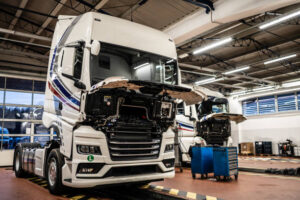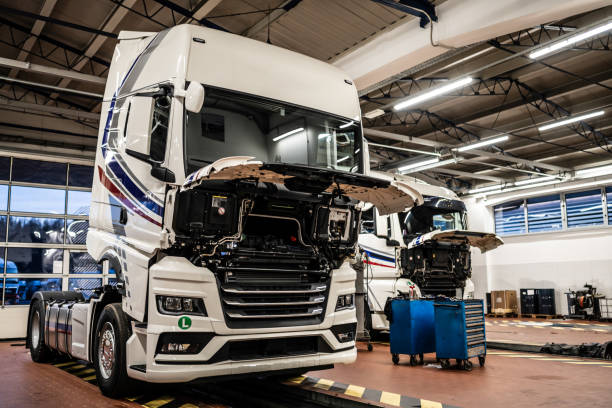
Interior of truck truck repair shop.
A truck is more than transportation for most owners, since it hauls tools, trailers, families, and the livelihood that pays the bills. Hot pavement, humid air, and sudden storms put real stress on every system, from the cooling system to the tires. A few simple habits can catch trouble early and keep you from paying for a breakdown at the worst possible time. Local garages such as Johnny’s All County Auto & Truck Repair see the same preventable problems every summer, which is why prevention advice matters so much. This guide shows you how to look after your pickup or work truck and when to call in a professional for truck repair in Pinellas Park FL.
Start With a Quick Walk Around
Take five minutes once a week to look over the truck in daylight. Check for fluid spots on the ground, cracked or bulging tires, loose trim, and lights that are out. Test the horn, wipers, and signals. Noticing a small change early is the cheapest way to avoid a big repair. Keep a note on your phone so you can describe changes to your mechanic later.
Check Fluids Often
Heat thins fluids and speeds up wear, so levels and condition matter more in summer.
Coolant and Radiator
Check the coolant reservoir when the engine is cold, and never open a hot radiator cap. Low or dirty coolant can lead to overheating, which is one of the most common summer failures. Look for leaks and crusty residue around hoses.
Oil and Transmission Fluid
Follow the oil change interval in your owner’s manual, and shorten it if you tow or haul heavy loads. Dark, gritty, or burnt smelling fluid is a sign to get it checked.
Test the Battery Before It Fails
Many people think cold weather kills batteries, but heat is often the real culprit because it speeds internal wear. A battery that struggles to start in the morning may already be near the end. Corrosion on the terminals, a swollen case, or dim lights are warning signs. Most shops test batteries quickly, so check yours before a long trip or the start of hurricane season.
Keep the Air Conditioning Healthy
Air conditioning is more than comfort in a hot climate, since it keeps you alert on long drives. If the air feels weak, smells musty, or takes longer to cool, have the system inspected. Low refrigerant usually means a leak, so topping it off repeatedly is not a fix. Replacing the cabin air filter and keeping the condenser clear of debris can also help performance.
Inspect Tires and Pressure in the Heat
Hot pavement raises tire temperature and pressure, and heavy loads add stress. Check pressure when the tires are cold, using the number on the door jamb instead of the sidewall. Look for uneven wear, cracks, and nails. Rotate tires on schedule, and replace them when tread is low, since wet Florida roads punish worn rubber.
Look at Brakes Before Heavy Loads
Brakes work harder when you tow or carry weight, and stop and go traffic adds heat. Warning signs include squealing, grinding, a soft pedal, or the truck pulling to one side. Have pads, rotors, and brake fluid inspected regularly. Brake work is not a place to cut corners, so address any change right away.
Fight Humidity and Salt Air Rust
Moist air and coastal conditions encourage corrosion on the frame, brake lines, and body panels. Rinse the underside regularly, especially after driving near the beach or on wet roads, and fix paint chips before rust spreads. Protective coatings can help, and a mechanic can spot early rust on critical parts you might not see.
Know the Risks After Heavy Rain or Flooding
Storm season can leave vehicles exposed to standing water, which is hard on engines and electronics.
Spot Warning Signs
Musty smells, damp carpets, fogged lights, and strange electrical behavior may indicate water damage. Mud lines in the engine bay or trunk are another clue.
Act Before Starting
If water has risen high around the truck, do not start the engine. Water inside the engine can cause serious damage. Have it inspected first, and talk to your insurer about coverage.
Watch Belts, Hoses, and Wipers
Rubber parts age quickly in the heat. Look for cracks, glazing, and soft spots on belts and hoses, and replace them before they fail. Wiper blades harden in the sun and smear in sudden downpours, so swap them at the first sign of streaking. These inexpensive parts protect you from far costlier trouble.
Match Your Maintenance to Your Workload
A truck that hauls trailers every day needs more attention than one used for weekend errands. Heavy duty use, stop and go driving, and dusty job sites all shorten service intervals. Share your usage honestly with a technician who handles truck repair in Pinellas Park FL, and ask for a maintenance schedule built around your real workload. A written schedule keeps you from guessing.
Find a Repair Shop You Can Trust
Choose a shop the same way you would choose a doctor, with questions and a little patience. Ask about technician training, diagnostic equipment, written estimates, and warranty on parts and labor. Read recent reviews for patterns, and notice whether the staff explains problems in plain language. When you need dependable truck repair in Pinellas Park FL, a shop that communicates clearly and respects your budget is worth far more than the cheapest quote.
Prepare for Your Appointment
A little preparation makes the visit smoother. Write down symptoms, when they happen, and any warning lights. Bring service records, and mention recent repairs. Ask for an estimate before work begins, and request that worn parts be shown to you. Clear notes help the technician find the cause faster, which can reduce diagnostic time and cost.
Frequently Asked Questions
How often should I service my truck in hot weather?
Follow the manufacturer’s schedule, and shorten intervals if you tow, haul, or drive in stop and go traffic. Heat and heavy loads speed up wear on fluids, belts, and batteries. A mid summer inspection is a smart addition. Ask your technician to suggest a plan that fits your use.
Why does my truck overheat in traffic?
Common causes include low coolant, a weak fan, a stuck thermostat, or a clogged radiator. Slow traffic reduces airflow, which makes small problems show up. Pull over safely if the temperature gauge climbs. Have the cooling system inspected before driving long distances again.
Is it okay to keep driving with a check engine light on?
A steady light may mean a minor issue, but it can also signal something that damages the engine over time. A flashing light usually points to a serious problem and needs immediate attention. Have the codes read soon. Ignoring warnings often turns small repairs into large ones.
What should I do before a long road trip?
Check fluids, tire pressure, brakes, battery, lights, and wipers, and make sure the air conditioning works. Carry basic emergency items such as water, a flashlight, and jumper cables. A professional inspection a week before departure leaves time to fix issues. Plan your route with breaks in mind.
Final Thoughts
Good habits and timely attention keep a truck dependable through scorching summers and stormy seasons. When you need professional truck repair in Pinellas Park FL, choose a shop that listens, explains clearly, and treats your truck like its own. Start this week with a walk around and a quick fluid check, and enjoy peace of mind on every drive.