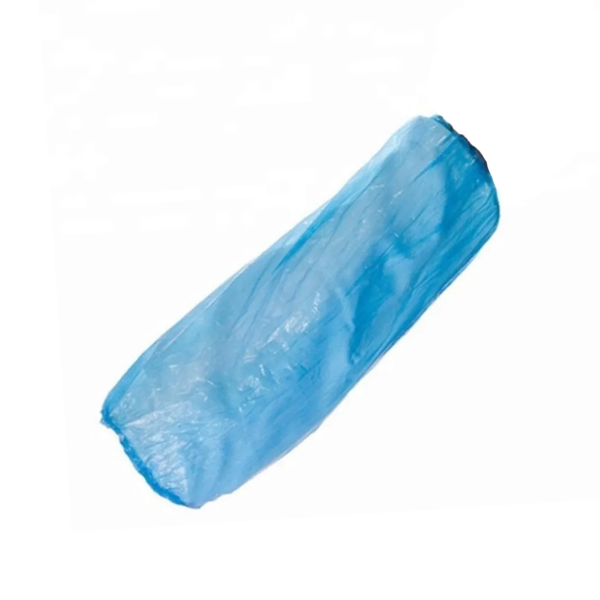
Disposable sleeve covers
Disposable sleeve covers are practical protective accessories used in healthcare facilities, food processing plants, laboratories, manufacturing units, cleaning services, and other workplaces where clothing protection and hygiene are important. Designed to cover the forearms and sleeves, these lightweight products help reduce direct contact between clothing and selected contaminants, liquids, dust, and workplace materials.
Businesses often use disposable sleeve covers alongside gloves, protective gowns, aprons, and other personal protective equipment (PPE). They provide an additional layer of coverage in situations where workers need to protect their clothing or reduce the transfer of contaminants between work areas.
Available in different materials, sizes, colors, and designs, disposable sleeve covers can be selected for a wide range of applications. Some are made from polyethylene for basic splash resistance, while others use nonwoven materials or specialized barrier fabrics for particular workplace requirements.
Choosing the right product involves understanding the task, expected exposure, material properties, fit, and relevant safety requirements. A sleeve cover designed for light-duty food handling may not provide sufficient protection for chemical exposure or demanding industrial work.
This guide explores the features, benefits, types, applications, and purchasing considerations associated with disposable sleeve covers, helping businesses make informed decisions about their protective equipment supplies.
What Are Disposable Sleeve Covers?
Disposable sleeve covers are single-use protective coverings designed to fit over a person’s forearms and sleeves. They are commonly used to help protect clothing from dirt, dust, splashes, and other materials encountered during specific workplace activities.
Most designs extend from the wrist toward the elbow or upper arm. Many products feature elasticated openings at both ends to help hold the cover in position during movement.
Disposable sleeve covers are available in several materials, including polyethylene, polypropylene nonwoven fabric, and specialized laminated materials. Each material offers different characteristics related to flexibility, breathability, moisture resistance, and durability.
Some products are intended for general-purpose clothing protection, while others are designed for particular food-handling, healthcare, laboratory, or industrial applications.
Although sleeve covers can provide useful additional coverage, they do not replace appropriate gloves, gowns, or other protective equipment when these are required. They should be selected according to the hazards involved and the manufacturer’s intended-use information.
Why Are Disposable Sleeve Covers Important?
Protecting Clothing From Contamination
Sleeves can come into contact with work surfaces, equipment, food ingredients, cleaning materials, and other substances during daily tasks.
Disposable sleeve covers provide an additional layer over clothing, helping reduce direct contact between the fabric and workplace materials.
This can be particularly useful in food processing, healthcare, cleaning, and manufacturing environments where keeping workwear clean is part of routine operations.
The amount of protection depends on the material and construction. Lightweight covers should not be assumed to prevent all liquid penetration or contamination.
Supporting Workplace Hygiene
In environments where contamination control matters, sleeve covers can help establish consistent protective clothing practices.
Workers can replace disposable covers between designated tasks or work areas when required by workplace procedures.
This can help reduce the transfer of materials on clothing, although sleeve covers alone cannot eliminate contamination risks.
Hand hygiene, surface cleaning, suitable gloves, and other established safety measures remain important.
Providing Convenient Protection
Disposable sleeve covers are generally lightweight and easy to put on and remove.
Their simple design makes them convenient for workplaces where staff need additional sleeve coverage for particular tasks without changing their entire outfit.
Many products are supplied in compact packages, making them easy to store near workstations or within protective equipment stations.
Supporting Consistent Work Procedures
Businesses can include disposable sleeve covers in their standard operating procedures when additional forearm protection is appropriate.
For example, a food production facility may specify sleeve covers for particular handling tasks, while a cleaning company may use them for selected jobs involving splashes.
Clear procedures help workers understand when covers are required, when they should be replaced, and how used products should be discarded.
Types of Disposable Sleeve Covers
Polyethylene Sleeve Covers
<AsyncImage query=”blue disposable polyethylene protective sleeve covers elastic cuffs product photography” aspectRatio=”5:4″ width=”100%”/>
Polyethylene sleeve covers are commonly used for basic clothing protection and selected splash-prone tasks.
The material is lightweight and offers useful resistance to water under suitable conditions. These covers are often used in food processing, cleaning, packaging, and general industrial environments.
Many designs include elasticated openings to help secure the cover around the wrist and upper arm.
However, polyethylene sleeve covers are not automatically suitable for hazardous chemicals, high temperatures, or heavy-duty industrial applications. Their performance depends on film thickness, seams, fit, and the substances involved.
Nonwoven Sleeve Covers
Nonwoven sleeve covers are manufactured from bonded fibers rather than traditionally woven fabric.
Depending on the material, they may provide a balance of breathability, flexibility, and lightweight coverage.
They can be suitable for selected healthcare, laboratory, manufacturing, and general hygiene applications.
Nonwoven materials vary significantly in their protective properties. Some provide basic clothing coverage, while specialized products may be designed for specific barrier requirements.
Buyers should check the manufacturer’s specifications rather than assuming that every nonwoven sleeve cover offers the same level of protection.
Fluid-Resistant Sleeve Covers
Fluid-resistant sleeve covers are designed to reduce liquid penetration under specified conditions.
They may be useful in environments where workers could encounter splashes or wet materials during routine tasks.
The actual performance depends on the material, seams, construction, and product testing.
Fluid resistance does not automatically mean that a sleeve cover is waterproof or suitable for chemical exposure. Businesses should verify compatibility with the substances involved.
Elasticated Sleeve Covers
Elasticated sleeve covers feature flexible openings intended to help keep the product in place.
Elasticated cuffs can reduce slipping during ordinary movement and help provide more consistent coverage around the wrist and upper arm.
Some products have elastic at both ends, while others use different fastening arrangements.
A secure fit is important because a cover that slips down may expose clothing or interfere with the task.
Specialized Protective Sleeve Covers
Certain workplaces require sleeve covers designed for specific hazards or controlled environments.
These products may use specialized materials, coatings, or construction features to meet particular performance requirements.
Examples include selected industrial splash-protection applications and tasks requiring a defined contamination barrier.
The appropriate product should be chosen through a risk assessment. Standard disposable sleeve covers should not be used for hazardous chemical handling, heat exposure, or other demanding tasks unless the manufacturer confirms suitability.
Common Applications of Disposable Sleeve Covers
Food Processing and Food Preparation
Food manufacturers, commercial kitchens, catering businesses, and food packaging facilities may use disposable sleeve covers to support hygiene procedures.
They can help reduce direct contact between workwear and ingredients, food-contact areas, or packaging materials.
For example, workers may wear sleeve covers during selected preparation, packing, and handling activities where additional clothing protection is appropriate.
The covers should be suitable for the intended food-related application and used according to the facility’s procedures.
They do not replace handwashing, appropriate gloves, or other food safety measures.
Healthcare and Medical Facilities
Healthcare environments may use sleeve covers for selected tasks where clothing protection is required.
Depending on the activity, sleeve covers may be worn alongside gloves, gowns, aprons, or other PPE.
However, they are not automatically a substitute for an isolation gown or another protective garment. Where infection prevention guidance requires a gown with specific coverage or barrier performance, a sleeve cover alone may be insufficient.
Healthcare facilities should follow their infection prevention procedures and choose products appropriate to the task.
Laboratories and Research Facilities
Laboratory workers may use disposable sleeve covers when handling selected materials or performing activities where clothing contamination is a concern.
The required product depends on the biological, chemical, or physical hazards involved.
Ordinary sleeve covers may not provide adequate protection against hazardous chemicals, corrosive substances, or biological agents requiring specialized PPE.
Laboratory managers should assess the risks and consult safety data sheets and manufacturer guidance before selecting protective materials.
Manufacturing and Assembly
Manufacturing facilities may use disposable sleeve covers to protect clothing from dust, particles, oils, and other materials associated with particular production processes.
They can be useful in selected assembly, packaging, inspection, and handling operations.
Businesses should choose products based on the nature of the work. Tasks involving sharp components, moving machinery, heat, or hazardous substances may require different protective measures.
Sleeve covers must also be used in a way that does not create an entanglement risk around moving equipment.
Cleaning and Janitorial Services
Cleaning professionals may use sleeve covers when performing tasks that could expose clothing to water, cleaning solutions, or surface contaminants.
Lightweight covers can be convenient for short-duration cleaning activities where additional sleeve coverage is appropriate.
However, chemical compatibility is essential. Some cleaning agents can penetrate or damage common disposable materials.
Workers should consult the chemical’s safety data sheet and select gloves, sleeve protection, and other PPE according to the required protection level.
Beauty and Personal Care Services
Beauty salons, skincare facilities, and personal care businesses may use disposable sleeve covers during selected treatments involving dyes, lotions, creams, or other products.
They can help protect clothing and support consistent workwear practices.
The suitability of a sleeve cover depends on the ingredients being handled and the expected exposure.
Where chemicals are involved, businesses should confirm material compatibility rather than assuming that a lightweight disposable cover provides sufficient protection.
How to Choose the Right Disposable Sleeve Covers
Identify the Intended Use
Begin by identifying the task and the substances that workers may encounter.
Consider whether the cover is intended for basic clothing protection, moisture resistance, contamination control, or a specialized workplace hazard.
A cover designed for food packaging may not be suitable for chemical handling or healthcare procedures with greater exposure risks.
Select the Appropriate Material
Different materials offer different levels of flexibility, breathability, and liquid resistance.
Polyethylene may be suitable for selected basic splash-protection applications, while nonwoven or specialized barrier materials may be more appropriate for other tasks.
Review product specifications carefully and select a material that matches the exposure.
Check the Size and Length
Sleeve covers should provide sufficient coverage without restricting movement.
Measure the required length and consider the wearer’s forearm size, clothing, and work activity.
Covers that are too short may leave parts of the sleeve exposed, while overly long covers may interfere with movement or create unnecessary material around the wrist.
Review Cuff Design
Elasticated cuffs help hold sleeve covers in position.
Check whether the product has elastic at the wrist, upper arm, or both ends. The correct design depends on how securely the cover needs to remain in place during the task.
The cuffs should fit comfortably and should not interfere with the proper use of gloves.
Consider Durability and Barrier Performance
Not all sleeve covers are designed for the same level of exposure.
Check material thickness, construction, seam quality, and any performance testing provided by the manufacturer.
For specialized tasks, verify that the product meets the applicable requirements rather than relying on general terms such as protective or industrial grade.
Evaluate Supplier Reliability
A reliable supplier should provide clear product specifications, consistent quality, and dependable delivery.
Businesses should confirm pack quantities, material details, available sizes, minimum order requirements, and delivery schedules before purchasing.
For a new product, testing a sample can help confirm fit and suitability before a larger order is placed.
Benefits of Buying Disposable Sleeve Covers in Bulk
Potential Cost Savings
Bulk purchasing may reduce the cost per sleeve cover, depending on the supplier, order quantity, and product specification.
Businesses should compare equivalent products rather than selecting the cheapest option without checking its intended use and durability.
Shipping costs, minimum order quantities, and storage expenses should also be considered when calculating total value.
Reliable Stock Availability
Businesses that use sleeve covers frequently may benefit from keeping an appropriate quantity in stock.
Planned purchasing can reduce the risk of running out during busy periods and help staff follow established work procedures.
Inventory levels should be based on actual consumption, storage capacity, and supplier lead times.
Simplified Purchasing
Bulk ordering can reduce the time spent placing repeated small orders.
Organizations with multiple work areas may also standardize selected products where the same specification is suitable for each task.
However, different departments may require different protective materials depending on their exposure risks.
Easier Inventory Planning
Tracking usage helps businesses forecast future demand and establish reorder points.
For example, a facility can estimate weekly consumption and schedule replenishment before stock becomes critically low.
Avoid buying excessive quantities solely to obtain a discount, especially when storage conditions or product shelf-life requirements may affect usability.
Proper Use and Handling of Disposable Sleeve Covers
Correct use helps ensure that sleeve covers provide their intended benefit.
Before use, inspect the product for visible damage and check that it is the correct type for the task.
Put the cover on according to workplace procedures, ensuring that it extends over the required area of the forearm and sleeve. Position the cuffs securely without interfering with gloves or other PPE.
During work, replace the cover if it tears, becomes heavily contaminated, or no longer provides suitable coverage.
When removing a used cover, avoid unnecessary contact with contaminated surfaces. Follow the workplace procedure for safe removal and disposal.
Disposable sleeve covers should not be reused unless the manufacturer specifically designs and authorizes them for reuse. Single-use products should be discarded according to their intended application and the facility’s waste-management procedures.
Storage and Inventory Management
Disposable sleeve covers should be stored in a clean, dry area and kept protected from dust, moisture, excessive heat, and direct sunlight.
Keeping products in their original packaging until use can help reduce unnecessary contamination and physical damage.
Businesses should organize supplies by type, size, and intended application so employees can select the correct product easily.
Regular stock checks can help identify low inventory, damaged packages, and products that need replacement.
Where manufacturers provide shelf-life or storage limitations, these instructions should be followed.
Good inventory management reduces avoidable waste and helps ensure that appropriate products are available when required.
Environmental Considerations
Disposable sleeve covers offer convenience, but they also contribute to workplace waste.
Many are manufactured from plastic or synthetic fibers that may not be accepted by ordinary recycling programs, particularly if they are contaminated during use.
Businesses can reduce unnecessary waste by selecting the right size, avoiding excessive ordering, and storing supplies correctly.
Reusable alternatives may be suitable for some tasks if they provide the required protection and can be cleaned or maintained according to approved procedures.
However, single-use products should not be reused simply to reduce waste when doing so would compromise safety or hygiene.
Businesses should follow local waste-management requirements and consider the product’s material and contamination status before disposal.
Common Mistakes to Avoid
One common mistake is choosing sleeve covers based only on price. A low-cost product may not provide the required coverage or material performance.
Another mistake is assuming that all disposable sleeve covers are waterproof or chemical-resistant. These properties depend on the specific material and product design.
Businesses should also avoid selecting a cover without checking its length and fit, as inadequate coverage can leave clothing exposed.
Incorrect storage can damage unused products, while poor removal procedures can spread contaminants.
Finally, sleeve covers should not be treated as substitutes for gloves, gowns, or other PPE when the task requires those additional protections.
Conclusion
Disposable sleeve covers are practical protective accessories for businesses that need additional forearm and clothing coverage during selected workplace activities.
They are used in food processing, healthcare, laboratories, manufacturing, cleaning, and personal care services. Available in polyethylene, nonwoven, and specialized materials, they offer different levels of flexibility, moisture resistance, and protection.
The right product depends on the task, expected exposure, required coverage, material compatibility, and applicable safety standards. Businesses should also consider supplier reliability, bulk purchasing options, storage practices, and responsible disposal.
By selecting suitable sleeve covers and using them alongside the appropriate protective equipment, organizations can support consistent workplace hygiene and clothing protection without compromising safety requirements.
Frequently Asked Questions
1. What are disposable sleeve covers used for?
Disposable sleeve covers are used to protect clothing and forearms from selected splashes, dust, dirt, and workplace contaminants. They are commonly used in food processing, healthcare, laboratories, cleaning, and manufacturing.
2. What materials are disposable sleeve covers made from?
They are commonly manufactured from polyethylene, polypropylene nonwoven fabric, or specialized barrier materials. The appropriate material depends on the task and required protection.
3. Are disposable sleeve covers waterproof?
Some provide useful resistance to water and splashes, but not all are waterproof. Performance depends on the material, construction, seams, and exposure conditions.
4. Can disposable sleeve covers be used in food processing?
Yes, suitable products may be used in food processing and packaging when they meet the requirements of the intended application. Businesses should follow applicable food safety procedures and manufacturer instructions.
5. Are disposable sleeve covers a replacement for protective gowns?
No. Sleeve covers provide forearm coverage but do not offer the same overall coverage as a gown. If a task requires a protective gown, sleeve covers alone are insufficient.
6. How do I choose the correct sleeve cover size?
Consider the required length, forearm size, clothing, and range of movement. The cover should provide sufficient coverage without slipping or interfering with gloves and other protective equipment.
7. Can disposable sleeve covers be purchased in bulk?
Yes. Many protective equipment suppliers offer bulk quantities for commercial and industrial customers. Check the material, size, pack quantity, product specifications, and delivery terms before ordering.
8. How should disposable sleeve covers be stored?
Keep them in their original packaging in a clean, dry location away from excessive heat, sunlight, moisture, and contamination. Follow the manufacturer’s storage instructions.
9. Can disposable sleeve covers be reused?
They should not be reused unless specifically designed and authorized for reuse by the manufacturer. Reusing single-use covers may compromise hygiene and performance.
10. Do disposable sleeve covers protect against chemicals?
Only when the specific product is suitable for the chemical and exposure conditions involved. Consult the manufacturer’s compatibility information and the relevant safety data sheet before use.