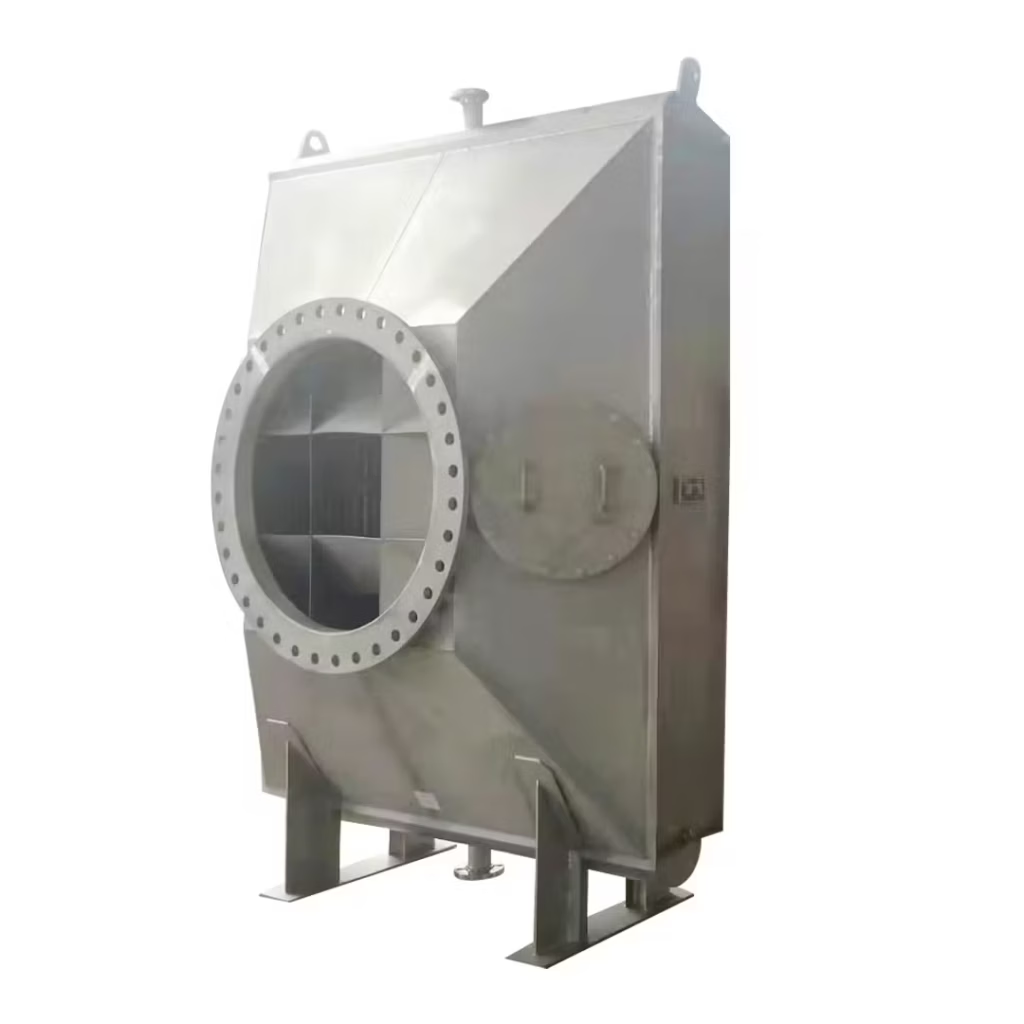
Efficient building design requires a ventilation approach that refreshes indoor air without allowing excessive heat to escape. A heat recovery air exchanger removes used indoor air and transfers part of its heat to the fresh air entering the property. This process maintains regular air exchange while helping retain indoor warmth that would otherwise be lost. Depending on the equipment and its settings, controlled ventilation may also assist with moisture management and reduce the likelihood of condensation developing. When included in residential ventilation plans, heat recovery technology can help balance fresh air delivery, thermal comfort, and energy consumption while supporting the building’s overall efficiency.
Incorporating Heat Recovery into Contemporary Residential Design
Heat recovery is becoming an important consideration in residential construction as energy efficiency and sustainable building practices receive greater attention. Including this technology in home designs can help limit avoidable heat loss while making better use of the energy consumed to maintain indoor temperatures.
These systems are especially useful in airtight properties, where limited natural air movement may influence indoor freshness and comfort. By transferring heat from outgoing air to incoming outdoor air, heat recovery preserves some of the warmth while allowing regular ventilation. This can reduce the extra heating required to condition replacement air. For households focused on energy efficiency and reasonable operating expenses, planning for heat recovery during construction offers a practical means of balancing ventilation requirements with thermal performance.
Supporting Home Comfort with Heat-Recovery Ventilation
Heat-recovery ventilation helps maintain comfortable residential conditions by introducing fresh outdoor air and reclaiming heat from extracted indoor air. In colder months, recovered warmth can increase the temperature of incoming air before it reaches living areas, helping limit sudden changes in indoor conditions. Regulated airflow can also remove stale air and excess moisture, supporting a more comfortable environment throughout the property.
Reducing unwanted odours and diluting some airborne pollutants can contribute to improved indoor freshness. Unlike ventilation approaches that discharge heated air directly outside, heat-recovery systems retain part of its thermal energy during air exchange. This helps limit heat loss through ventilation while ensuring that fresh replacement air continues to enter the home.
Together, managed airflow and heat transfer can support steadier indoor conditions throughout the year. With suitable sizing and regular maintenance, these systems can contribute to everyday comfort while meeting fresh-air requirements in well-insulated homes.
Improving Air Renewal without Sacrificing Indoor Heat
A heat-recovery air exchanger draws out stale indoor air and introduces fresh outdoor air while helping preserve thermal energy that would otherwise escape. Inside the unit, a heat-exchange core transfers energy between outgoing and incoming airflows while keeping the streams separate. As a result, incoming air receives some recovered warmth before entering the property, reducing the energy required to bring it closer to the preferred indoor temperature.
This method can be particularly valuable in airtight homes, where conventional ventilation may release significant amounts of conditioned air. Appropriate filtration may provide further benefits by capturing certain airborne particles before fresh air reaches indoor spaces. By combining air renewal with heat recovery, these systems offer a practical option for residential designs seeking to maintain indoor air quality while managing energy consumption.
Recovering Useful Thermal Energy from Extracted Air
Capturing heat from outgoing indoor air helps reduce the useful warmth lost when a building is ventilated. Transferring some of this energy to incoming air can lower the additional heating required to maintain comfortable temperatures. Depending on building characteristics and operating conditions, reduced thermal losses may also lessen the demand placed on conventional heating equipment.
Alongside energy recovery, these systems continue to remove stale air and help dilute indoor contaminants. This function is particularly valuable in tightly sealed homes where natural air exchange may be restricted. Retaining some indoor heat while introducing fresh air provides a balanced approach to managing the indoor environment.
Reduced heating requirements may also lower associated emissions when less energy is consumed. By bringing together continuous ventilation and thermal conservation, heat-recovery technology can contribute to efficient operation in both residential and commercial buildings.
Understanding Heat Transfer in an HRV Heat Transfer System
An HRV heat transfer system moves thermal energy between outdoor air entering a building and indoor air being extracted through a dedicated heat-exchange core. As warmer indoor air passes out of the property, some of its heat transfers to the cooler incoming airflow through separate passages. Keeping these air streams apart allows heat to move between them without directly mixing the air.
This process helps retain useful warmth while providing ongoing ventilation and supporting more consistent indoor temperatures. Depending on the system design, filters may also remove selected airborne particles from incoming air before it reaches occupied spaces. Proper airflow planning helps extract stale air and distribute fresh air throughout the building. These combined functions support ventilation needs while contributing to energy efficiency and comfortable indoor conditions.
Reducing Home Heating Demand through Heat Recovery
Heat recovery technology can help lower residential heating demand by collecting warmth from extracted indoor air and transferring it to incoming fresh air. This reduces the energy required to warm a home, as replacement air gains some thermal energy before reaching living spaces.
Recovering heat that would otherwise escape outdoors may help conventional heating equipment maintain indoor temperatures with less effort and potentially shorter operating periods. This can contribute to more controlled energy use while potentially reducing wear on heating components. Lower heating demand may also ease household energy expenses and support more environmentally conscious building operation through reduced consumption.
Ongoing heat recovery can help maintain steadier indoor temperatures, particularly during colder weather. The technology is well suited to energy-efficient homes where retaining warmth must be balanced with adequate ventilation and responsible residential energy use.
Maintaining a Balanced Indoor Climate
Balanced airflow is essential for creating a comfortable and well-regulated indoor environment, particularly within modern airtight homes. Heat-recovery systems support continuous air circulation, helping reduce uneven temperature distribution and improve overall household comfort. Effective airflow management can minimise colder areas and excessive warmth, contributing to a more consistent indoor climate.
The ability to regulate humidity can also help reduce problems associated with excess moisture, including condensation and dampness, while limiting overly dry conditions that may affect comfort and air quality. Effective air circulation supports thermal stability while continuously replacing stale indoor air with cleaner, filtered outdoor air.
This combination of ventilation and temperature management demonstrates the practical role of heat-recovery systems in maintaining a balanced indoor climate, particularly in residences designed with energy efficiency and environmental sustainability in mind.
Key Factors That Influence Heat-Recovery Ventilation Performance
The effectiveness of a heat-recovery ventilation system is shaped by several elements affecting airflow, heat exchange, and indoor air quality. The heat exchanger core is particularly important because its construction influences how efficiently thermal energy transfers between incoming and outgoing air. Filter performance is another consideration, as appropriate filtration can capture airborne particles before fresh air enters occupied rooms.
Equipment location influences access for servicing, airflow distribution, and maintenance convenience. System capacity needs to suit the property’s size and ventilation requirements to avoid insufficient air circulation or excessive energy use. Insulating the ventilation ducts can also help limit thermal losses while air moves through the building.
Regular maintenance supports reliable performance by allowing dirty filters, debris build-up, and deteriorating components to be addressed before they affect operation. External temperature and humidity conditions may also change the amount of heat recovered. Assessing these factors when choosing and maintaining a system can help deliver consistent ventilation and more efficient energy use.
Adjusting Ventilation Performance throughout the Year
Heat-recovery ventilation supports ongoing air circulation as weather conditions shift between seasons. In colder periods, thermal energy from outgoing indoor air is transferred to incoming fresh air, helping reduce the extra heating needed to warm replacement air. This makes it possible to maintain ventilation while retaining more warmth inside the property.
During warmer periods, ventilation settings and operating methods can be adapted to reflect outdoor temperatures and household needs. Depending on the system’s features and prevailing conditions, appropriate controls may limit unwanted heat transfer or reduce the amount of excess outdoor warmth entering the home. Maintaining suitable airflow continues to be essential throughout the year.
Seasonal humidity changes can also affect indoor conditions, making ventilation useful for removing excess moisture and limiting condensation risks. Results will vary according to equipment design, control options, and environmental factors. When correctly configured and operated, heat-recovery ventilation can support indoor comfort while balancing fresh-air supply and energy consumption across changing seasons.
Choosing an HRV Unit That Suits Residential Requirements
Selecting a suitable HRV unit requires consideration of the property’s floor area, number of occupants, and necessary ventilation rate. Appropriate airflow capacity helps maintain sufficient air exchange without consuming more energy than required. Heat recovery performance is also worth evaluating because efficient thermal transfer can reduce the energy needed to condition incoming air.
Noise levels matter when equipment is positioned near bedrooms, workspaces, or other regularly occupied areas. Filter specifications should also be reviewed, as suitable filtration can capture certain airborne particles before fresh air reaches indoor rooms. Available installation space, duct layouts, compatibility with existing ventilation systems, and installation requirements may all affect project costs and complexity.
Ongoing maintenance should form part of the selection process as well. Easily accessible filters and straightforward servicing requirements can simplify routine care and help maintain airflow. Comparing these practical considerations with system capacity and energy performance makes it easier to select an HRV unit that meets the home’s ventilation needs and supports everyday comfort.
Conclusion
A heat recovery air exchanger maintains fresh-air circulation while helping preserve thermal energy within a home. Its separate airflow channels transfer heat from outgoing indoor air to incoming outdoor air without allowing the two streams to mix directly. This process supports stable indoor temperatures and limits avoidable energy loss, while suitable filters can capture some particles from incoming air. Recovered heat may also lessen the workload placed on household heating and cooling systems. For homeowners seeking cleaner indoor air alongside better energy performance, heat-recovery ventilation offers a balanced approach to everyday comfort and responsible energy use.
FAQs
How can a heat recovery air exchanger improve the air inside a home?
A heat recovery air exchanger introduces filtered outdoor air and expels stale indoor air, helping reduce the accumulation of certain airborne pollutants. This regular air exchange contributes to fresher living spaces and more pleasant indoor conditions.
Is heat-recovery ventilation suitable for various residential properties?
Heat-recovery ventilation can be adapted to different housing designs, including energy-efficient new builds and some established homes. Installation feasibility depends on the available space, ducting arrangements, building construction, and existing ventilation provisions.
What routine care does a heat-recovery air exchanger require?
Routine servicing can include cleaning or replacing filters, inspecting the heat exchanger core, and checking ducts and ventilation outlets for obstructions. Appropriate maintenance helps preserve airflow, maintain system efficiency, and support reliable operation.
How can an HRV-unit reduce the amount of heating required?
An HRV-unit transfers thermal energy from extracted indoor air to the incoming outdoor airflow before it enters the building. This preheating process can reduce the additional heat needed to maintain comfortable indoor temperatures during colder conditions.
Can heat-recovery air exchangers be installed in older homes?
Heat-recovery air exchangers may be installed in older properties when the building’s layout and ventilation requirements allow suitable integration. An assessment can identify necessary changes involving duct routes, equipment placement, and airflow balancing before installation.
| Related Business Listings |
| Contact Directory |
| Local Business Profiles |