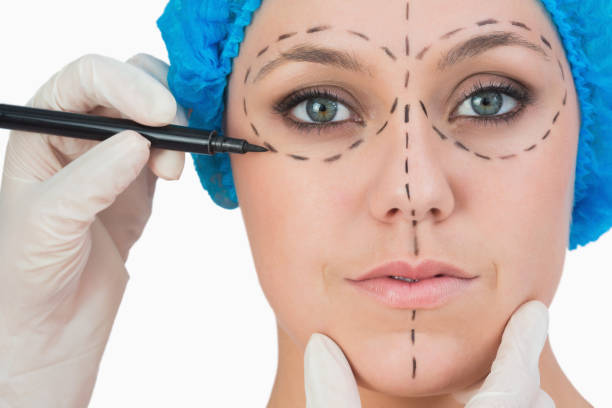
Choosing facelift surgery is an important decision that involves understanding the procedure, expected results, recovery, and whether it matches your personal goals. Many people consider Facelifts in Abu Dhabi when they want to address visible signs of facial aging and achieve a firmer, more refreshed appearance. Before making a decision, asking the right questions can help you understand what the procedure can realistically accomplish and whether it is suitable for your facial concerns.
What Are Your Main Facial Concerns?
Before considering facelift surgery, it is important to identify exactly what you want to improve. Facial aging can involve loose skin, reduced definition around the jawline, deeper folds, changes around the cheeks, or a less defined neck.
A facelift primarily focuses on improving sagging facial tissues and excess skin. Understanding your main concerns helps establish whether a facelift addresses the changes you want to improve or whether another approach may be more appropriate.
Having clear goals can also help you communicate your expectations during a consultation and create a more personalized treatment plan.
Am I a Suitable Candidate for Facelift Surgery?
One of the most important questions to ask is whether your facial characteristics and overall health make you a suitable candidate. A facelift is generally considered for people experiencing noticeable facial laxity and changes in facial contours that they want to improve.
Suitability depends on factors such as skin condition, degree of tissue laxity, facial structure, general health, and personal expectations. Age alone does not determine whether someone is suitable for facelift surgery.
A thorough assessment can help determine whether the procedure is appropriate for your individual circumstances.
What Areas Can a Facelift Improve?
A facelift can address specific areas of the face depending on the surgical technique used. It may improve sagging cheeks, lower facial laxity, jowls, and reduced jawline definition. Some facelift approaches may also address areas extending toward the neck.
Understanding exactly which areas will be treated is essential before making a decision. Facial aging does not occur identically in every person, so the surgical approach should be based on the individual’s anatomy and concerns.
Ask how the procedure will address your particular areas of concern and what changes you can reasonably expect.
What Type of Facelift Is Appropriate?
There are different facelift techniques, and each approach is designed for particular degrees and patterns of facial aging. Some techniques focus primarily on the lower face, while others may involve broader areas.
The appropriate technique depends on factors such as skin laxity, tissue position, facial structure, and desired results. Understanding why a particular technique is being considered can make the decision easier.
Ask about the differences between the available approaches and why one method may be more suitable for your facial characteristics.
What Kind of Results Should You Expect?
Having realistic expectations is one of the most important parts of choosing facelift surgery. The goal is generally to create a firmer and more refreshed appearance while maintaining natural facial characteristics.
A facelift can improve visible sagging and redefine certain facial contours, but it does not stop the natural aging process. Understanding the expected level of improvement can help prevent unrealistic expectations.
It is also useful to discuss how the procedure is intended to complement your existing facial structure rather than dramatically changing your identity or expressions.
How Long Is the Recovery Period?
Recovery is another important subject to discuss before choosing surgery. Ask how much time you may need for rest and when you can expect to return gradually to normal daily activities.
The recovery period can vary depending on the surgical technique and the extent of treatment. Your individual healing process can also influence the timeline.
Understanding the expected stages of recovery can help you plan personal and professional responsibilities appropriately.
What Will the Healing Process Involve?
Facelift surgery involves changes to facial tissues that need time to settle. The appearance of the face can evolve throughout the healing process as tissues gradually adjust.
Ask what changes you should expect during recovery and when the treated areas are likely to begin looking more settled. Knowing what is considered a normal part of the healing process can make the experience easier to understand.
It is also important to follow the aftercare instructions provided after surgery to support appropriate healing.
Will a Facelift Look Natural?
A natural-looking result is often one of the main priorities for people considering facelift surgery. Modern facelift techniques are designed to improve facial laxity while preserving natural proportions and expressions.
Ask how the procedure will maintain your individual facial characteristics. The goal should be to create a refreshed appearance rather than making the face look excessively tight or noticeably altered.
A personalized surgical plan can help ensure that the amount of correction is appropriate for your facial structure and aesthetic goals.
How Will the Jawline and Neck Be Addressed?
For many people, facial aging includes changes around the jawline and upper neck. Sagging skin and reduced definition in these areas can affect the overall appearance of the lower face.
If these concerns are important to you, ask whether your planned facelift will address them and how the surgical approach will affect the transition between the face and neck.
Understanding this aspect of treatment is particularly useful when your primary goal is to achieve a clearer and more defined lower-face contour.
What Should You Know About Long-Term Results?
A facelift can create a significant improvement in visible facial laxity, but it does not permanently prevent future aging. The skin and underlying tissues will continue to change naturally over time.
Ask how the results are expected to evolve in the years following surgery. Understanding the long-term nature of the procedure can help you develop realistic expectations.
Maintaining healthy skin and following appropriate long-term care can support the overall appearance of the face, although natural aging will continue.
What Questions Should You Ask During Your Consultation?
A consultation is an opportunity to understand the procedure in detail before making a decision. You should feel comfortable asking about the recommended surgical technique, areas being treated, expected results, recovery timeline, and how the procedure will be customized to your facial structure.
It is also useful to discuss your aesthetic goals openly. Clear communication allows the treatment plan to focus on what matters most to you while keeping expectations realistic.
The more clearly you understand the procedure, the easier it becomes to decide whether facelift surgery aligns with your goals.
Final Thoughts
Choosing facelift surgery requires careful consideration and a clear understanding of what the procedure can achieve. Asking about candidacy, treatment areas, surgical techniques, expected results, recovery, natural appearance, and long-term changes can help you make a more informed decision. A facelift may improve visible facial laxity and restore definition to areas such as the cheeks, jawline, and lower face, but the ideal approach depends on your individual anatomy and goals. Taking time to understand every aspect of the procedure can help ensure that your decision is thoughtful, realistic, and aligned with the appearance you want to achieve.
FAQs
What should I ask before choosing a facelift?
Ask about suitability, treatment areas, technique, expected results, and recovery.
Can a facelift create natural-looking results?
Yes, the procedure can be planned to improve facial laxity while maintaining natural facial proportions.
How long does facelift recovery take?
Recovery varies depending on the technique and individual healing process.
Can a facelift improve the jawline?
Yes, a facelift can improve lower-face laxity and create a more defined-looking jawline.
Does a facelift stop facial aging?
No, a facelift improves existing signs of aging, while natural aging continues afterward.