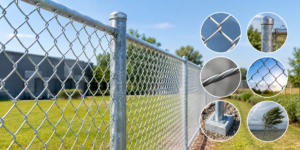
Chain Mesh Fencing is a common choice for homes, businesses, schools, sports areas, warehouses, and industrial properties. It provides a clear boundary while allowing air and light to pass through. It can also offer good security when the right materials and installation methods are used.
However, not all chain mesh fences have the same level of strength. Several factors can affect how well a fence handles pressure, weather, daily use, and accidental impact.
The strength of a fence depends on more than just the mesh. The wire, mesh size, posts, fittings, installation, ground conditions, and maintenance all play a role. Understanding these factors can help you choose a fencing system that suits your property and its needs.
1. Thickness of the Wire
The thickness of the wire is one of the main factors that affects the strength of chain mesh fencing. Thicker wire can usually handle more pressure than thinner wire.
The right wire thickness depends on where the fence will be used. A small residential garden may not need the same wire thickness as a busy commercial or industrial property.
If the fence is likely to face regular contact, impact, or higher security needs, a stronger wire may be a better choice.
When comparing fencing options, do not only look at the appearance of the mesh. Check the wire thickness as well. A fence that looks similar to another may have a different level of strength because of the wire used.
2. Size of the Mesh Openings
The size of the openings in the mesh can also affect the overall strength of the fence. In Chain Mesh Fencing, smaller openings mean there is more wire across each section of the fence. This can help the mesh handle pressure and reduce the chance of damage.
Larger openings can be suitable for basic boundary fencing, but they may not provide the same level of support when the fence is exposed to strong pressure or regular impact.
The right mesh size depends on how the fence will be used. A garden fence may have different requirements from fencing around a sports area, school, warehouse, or commercial property.
It is also important to consider what the fence needs to keep inside or outside. Smaller openings can make it harder for people, pets, or objects to pass through, making them a useful option for certain Chain Mesh Fencing applications.
- Protective Coating
The coating on the wire can have a big effect on how long the fence stays strong.
Galvanised wire is commonly used because the zinc coating helps protect the steel from rust. This is important because moisture and weather can slowly damage unprotected metal.
Once rust starts to weaken the wire, the fence may lose some of its strength. Over time, this can lead to broken wires, damaged sections, or other problems.
The environment around the property should be considered when choosing a coating. Areas with high moisture, heavy rain, or coastal conditions may need better protection against corrosion.
A strong fence should not only work well when it is new. It should also remain in good condition for years.
4. Strength of the Fence Posts
The posts are another important part of a fencing system. They hold the mesh in place and help transfer pressure into the ground.
Even if the mesh is strong, weak posts can affect the entire fence. Posts that are too thin, poorly installed, or not properly supported may bend or lean over time.
The size and material of the posts should match the type and height of the fence.
Corner and end posts are especially important because they often carry more tension than the posts between them. They need to be strong enough to support the mesh and keep the fence stable.
5. Distance Between Posts
The spacing between posts can also affect how strong the fence is.
When posts are placed too far apart, the mesh may move more easily when it is pushed, hit, or exposed to strong winds.
Using suitable post spacing provides better support and helps spread pressure across the fence.
The correct spacing depends on several things, including the height of the fence, wire thickness, mesh size, ground conditions, and how the fence will be used.
Good planning before installation can help make sure the posts are placed at suitable distances.
6. Height of the Fence
Fence height can affect stability, especially in areas that receive strong winds.
A taller fence has a larger surface area, which means more wind can push against it. This can place extra pressure on the mesh, posts, and foundations.
For this reason, taller Chain Mesh Fencing may need stronger posts and suitable foundations.
The height should always be considered together with other parts of the fence. Simply increasing the height without considering the posts and ground support can create stability problems.
7. Correct Mesh Tension
The mesh needs to be installed with the right amount of tension. Proper tension helps keep the fence firm and prevents it from becoming loose or sagging.
If the mesh is too loose, it may move too much and become easier to damage. Loose mesh can also make the fence look uneven.
However, too much tension is not good either. Excessive tension can place unnecessary pressure on the mesh, posts, and fittings.
The goal is to create even tension across the fence. Special care should be taken around corners, ends, gates, and areas where the direction of the fence changes.
8. Ground Conditions
The condition of the ground can have a major effect on fence stability.
Posts installed in firm ground are generally easier to support than posts installed in soft, loose, or unstable soil. Different ground conditions may require different installation methods.
The depth of the posts and the type of foundation used should be suitable for the property.
Drainage should also be considered. Water that collects around the bottom of the posts can contribute to rust and may also affect the soil around the posts.
Before installing a fence, it is useful to check the soil, slope, drainage, and other conditions around the property.
9. Wind and Weather
Weather can place stress on fencing over time. Strong winds, heavy rain, and changing weather conditions can all affect the fence.
Chain mesh allows some air to pass through its openings, which can help reduce wind pressure compared with a solid fence. However, strong winds can still place pressure on the mesh and posts.
Fences installed in open areas may experience more wind than those protected by buildings, trees, or other structures.
If a property is exposed to strong winds, the fencing system should be planned with this in mind. Strong posts, suitable foundations, and correct installation can help improve stability.
10. Quality of the Fittings
The mesh and posts are not the only parts that affect fence strength. The fittings used to connect everything together are also important.
These can include ties, clamps, brackets, tension wires, rails, and other connection parts.
If these parts are weak or poorly fitted, they can become points where the fence starts to loosen or move.
For example, strong mesh will not provide much benefit if the connections holding it to the posts are not secure.
Using suitable fittings and installing them correctly helps the entire fence work as one strong system.
11. Quality of Installation
Good materials can still perform poorly if the fence is not installed correctly.
The posts need to be placed at the right positions and supported properly. The mesh should be attached securely and tensioned evenly.
Poor installation can cause several problems, such as:
- Loose mesh
- Sagging sections
- Leaning posts
- Uneven fencing
- Weak corners
- Loose fittings
- Early damage
Correct installation helps each part of the fencing system work together.
It can also help identify problems with the ground or property layout before the fence is completed.
12. Regular Maintenance
Regular maintenance can help keep Chain Mesh Fencing strong for a longer period.
A fence should be checked from time to time for signs of damage. Small problems are usually easier to fix before they become larger issues.
Look for:
- Rust or corrosion
- Broken wires
- Loose mesh
- Bent or damaged posts
- Loose fittings
- Sagging sections
- Leaning posts
- Damage around gates
It is also a good idea to inspect the fence after severe weather or accidental impact.
Repairing damaged areas early can help prevent further problems and keep the fence working properly.
13. How the Fence Will Be Used
The intended use of the fence should always be considered before choosing the materials.
A residential property may mainly need a simple boundary and added privacy or security. A sports area may need fencing that can handle repeated impact. A warehouse or industrial property may require stronger fencing because of heavy equipment, vehicles, or higher levels of activity.
The right choice will depend on what the fence is expected to handle.
Choosing materials based on the actual use of the property can help avoid installing a fence that is too weak or unsuitable for the job.
14. Location of the Property
The location can also affect the strength requirements of a fence.
A property near the coast may have greater exposure to moisture and salt in the air. An open property may receive stronger winds. A busy commercial site may experience more contact with vehicles, equipment, or people.
These conditions can affect which wire, coating, posts, fittings, and installation methods are suitable.
Looking at the property as a whole can help create a fencing system that is better suited to the local environment.
Final Thoughts
The strength of Chain Mesh Fencing depends on several parts working together. Wire thickness, mesh size, protective coating, post strength, post spacing, fence height, mesh tension, ground conditions, weather, fittings, installation, and regular maintenance can all affect how well the fence performs.
Choosing the right materials is important, but proper installation is just as important. A well-planned fence should match the property’s layout, security needs, weather conditions, and expected use. Regular inspections can also help identify loose mesh, damaged wires, rust, or other problems before they become more serious.
For property owners looking for fencing, gates, and automation solutions in Melbourne, I Gate Automation provides custom aluminium and steel gates, sliding gates, swing gates, pedestrian gates, security fencing, and gate automation. Choosing the right combination of fencing and access solutions can help create a secure and practical boundary that suits the property.