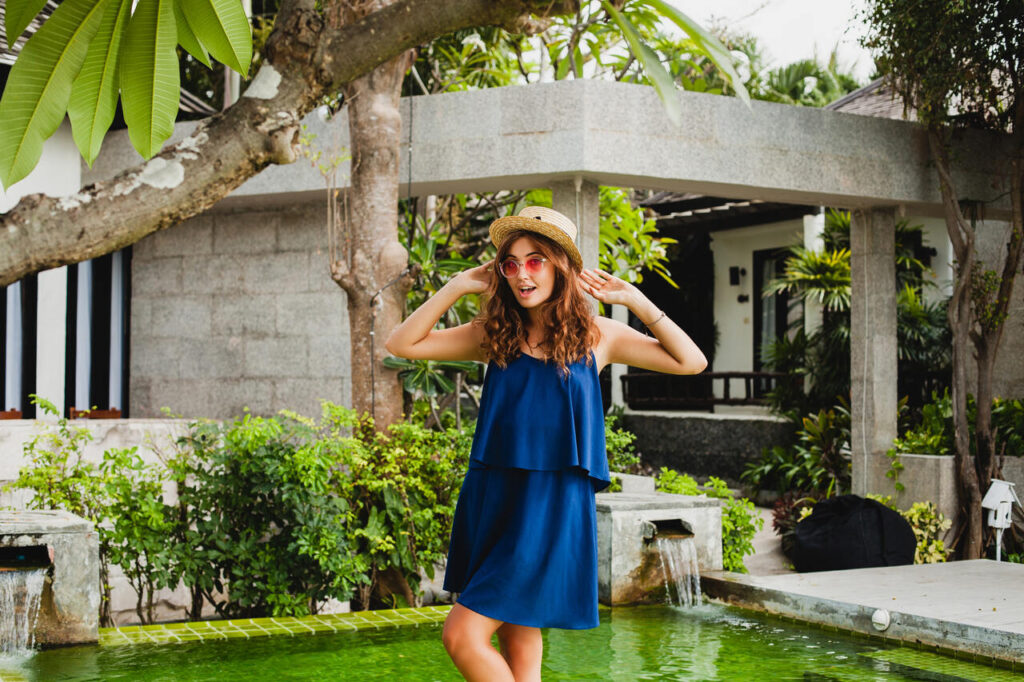
Biophilic design has moved from a niche architectural concept to one of the most sought-after approaches in luxury residential construction. Rooted in the idea that humans have an innate connection to nature, biophilic homes are designed to blur the line between indoor and outdoor living — bringing natural light, organic materials, and living greenery directly into the architecture. As demand grows across the state, more homeowners are searching for high end residential builders who understand how to execute this design philosophy without compromising on luxury, functionality, or long-term durability.
What Is Biophilic Design?
Biophilic design goes beyond simply adding plants to a home. It’s a holistic approach that considers how a space affects wellbeing, incorporating elements such as:
- Abundant natural light through expansive windows and skylights
- Seamless indoor-outdoor transitions with retractable walls or sliding glass doors
- Natural materials like stone, wood, and clay throughout the interior
- Living walls, courtyards, and integrated landscaping
- Water features that introduce sound and movement into the living space
- Ventilation and airflow designed around natural breezes rather than relying solely on mechanical systems
When executed well, biophilic homes don’t just look beautiful — they’re designed to reduce stress, improve air quality, and create a genuine sense of calm within a high-end living environment.
Why California Is Ideal for Biophilic Luxury Homes
California’s climate and geography make it uniquely suited to biophilic architecture. Mild temperatures throughout much of the year allow for expansive outdoor living spaces that function almost as additional rooms. Coastal and hillside properties often provide dramatic natural backdrops — ocean views, canyon landscapes, mountain vistas — that biophilic design is built to showcase rather than obscure.
This is where experienced high end home builders play a critical role. Successfully integrating a home into its natural surroundings requires careful site analysis, thoughtful orientation, and construction expertise that goes well beyond standard luxury building practices.
What to Look for in a Biophilic Luxury Builder
Experience With Sustainable and Natural Materials
Biophilic homes often rely on materials like reclaimed wood, natural stone, and low-VOC finishes. Working with luxury custom home builders who have hands-on experience sourcing and working with these materials helps ensure the final result matches both the design vision and long-term durability expectations.
Strong Site and Landscape Integration
A biophilic home is only as successful as its relationship with the land it sits on. Builders need to understand grading, drainage, sun exposure, and how to design around existing natural features rather than working against them.
Technical Expertise With Indoor-Outdoor Systems
Large-format sliding doors, retractable walls, and integrated outdoor living spaces require precise engineering to function seamlessly and hold up over time, especially in coastal or hillside environments.
A Track Record With High-End Renovations
Not every biophilic project starts from the ground up. Many homeowners work with a luxury house renovation contractor to reimagine an existing property, adding natural light, opening up interior spaces, and introducing landscaping that transforms how the home feels without a full teardown.
The Design-Build Process for a Biophilic Home
- Site analysis — Evaluating natural light patterns, views, vegetation, and topography to inform the design.
- Conceptual design — Developing a layout that maximizes indoor-outdoor connection while meeting the homeowner’s functional needs.
- Material selection — Choosing natural, sustainable materials that align with both aesthetic goals and long-term performance.
- Construction and landscape integration — Coordinating building and landscaping teams closely, since the two are often inseparable in biophilic projects.
- Final detailing — Adding finishing touches like water features, living walls, or custom millwork that complete the biophilic experience.
Reeland Investments has worked on luxury residential projects across California that incorporate natural design principles, helping homeowners create spaces that feel deeply connected to their surroundings without sacrificing high-end finishes or functionality.
Common Misconceptions About Biophilic Design
“It’s only for warm climates.” While California’s climate makes indoor-outdoor living especially practical, biophilic principles like natural materials, daylighting, and organic layouts can be adapted to a wide range of settings.
“It’s less durable than traditional luxury construction.” When executed by experienced builders, biophilic homes are built to the same structural and performance standards as any other luxury property — the difference lies in material choices and design philosophy, not build quality.
“It’s prohibitively expensive.” While certain biophilic elements do add cost, many principles — like maximizing natural light or improving airflow — can be incorporated into a project without dramatically increasing the overall budget, especially when planned from the earliest design stages.
Choosing the Right Builder for Your Vision
Whether you’re planning a ground-up biophilic estate or renovating an existing property to bring more natural design into your daily life, the builder you choose matters significantly. Look for a team with a genuine portfolio of natural, light-filled projects — not just generic luxury builds relabeled with biophilic language.
Reeland Investments works closely with homeowners throughout California to bring thoughtful, nature-integrated design to both new construction and renovation projects, combining high-end craftsmanship with a genuine understanding of how natural elements enhance everyday living.
Final Thoughts
Biophilic design represents a meaningful shift in how luxury homes are conceived — prioritizing wellbeing, natural beauty, and a genuine connection to place alongside high-end finishes and craftsmanship. Choosing an experienced builder who understands both the technical and design demands of this approach is essential to bringing the vision to life successfully.
Frequently Asked Questions
What makes a home “biophilic” versus just having a lot of windows or plants?
Biophilic design is a holistic approach that integrates natural light, materials, airflow, and landscaping into the core architecture of a home, rather than treating nature as decoration. It considers how the entire structure relates to its natural surroundings, not just individual design elements.
Does biophilic design cost more than traditional luxury home construction?
Some elements, like large-format glass walls or premium natural materials, can add cost, but many biophilic principles can be incorporated without dramatically increasing the budget, especially when planned from the earliest stages of design.
Can biophilic design be incorporated into a renovation, or does it require new construction?
Biophilic design can absolutely be applied to renovations. Many homeowners work with a luxury renovation contractor to open up existing spaces, improve natural light, and integrate landscaping without a full rebuild.
How do builders ensure indoor-outdoor spaces hold up over time?
Experienced builders use precise engineering and quality materials for elements like retractable walls and large sliding doors, along with proper weatherproofing and drainage planning, to ensure these features perform reliably for years.
Is biophilic design only suitable for coastal or hillside properties?
While properties with dramatic natural views often lend themselves well to biophilic design, the core principles — natural light, organic materials, and improved airflow — can be adapted to a wide range of settings and lot types.