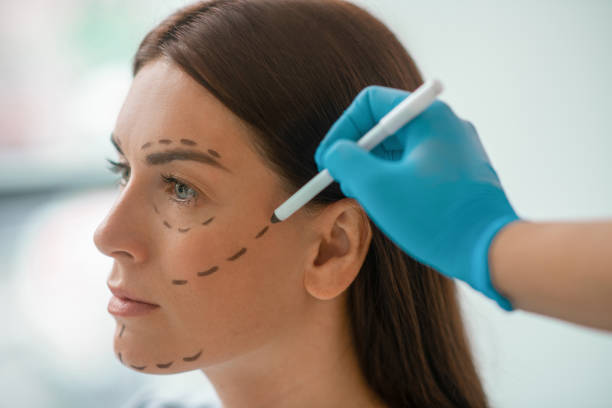
Loose facial skin is one of the most visible signs of aging and can gradually affect the contours of the cheeks, jawline, and lower face. As skin elasticity decreases and supporting tissues shift downward, the face may appear less defined and more tired. For people seeking a longer-lasting approach to facial rejuvenation, Facelifts in Abu Dhabi may be worth considering when loose skin is accompanied by noticeable tissue sagging and changes in facial structure. Understanding what a facelift can realistically achieve is essential when deciding whether this procedure matches your aesthetic goals.
Understanding Why Facial Skin Becomes Loose
Facial skin naturally changes over time as collagen and elastin levels decline. These proteins help maintain firmness, resilience, and structural support. As their presence gradually decreases, the skin may become less capable of maintaining its original position.
However, loose facial skin is not simply a surface concern. Underlying facial tissues can also shift downward with age, changing the way the skin rests over the face. This can contribute to sagging cheeks, jowls, deeper folds, and reduced jawline definition. Because several layers of facial tissue are involved, addressing the underlying changes can be important when significant laxity is present.
What Does a Facelift Actually Do?
A facelift is designed to improve visible signs of facial aging by addressing sagging tissues and excess skin. Rather than simply pulling the skin tightly, the procedure can involve repositioning underlying facial structures before adjusting the skin to the newly improved contours.
This structural approach can help create a firmer and more defined appearance. The cheeks may appear elevated, jowls can become less prominent, and the jawline may regain some of its definition. The amount of correction depends on the individual’s anatomy and the extent of facial laxity.
When Is Loose Skin Significant Enough to Consider a Facelift?
Not every instance of loose facial skin requires surgical rejuvenation. Mild laxity may be relatively subtle and may not significantly alter facial contours. A facelift becomes more relevant when loose skin is accompanied by noticeable tissue descent, jowling, sagging cheeks, or a softened lower face.
The decision should therefore be based on the type and degree of aging rather than age alone. Someone may experience substantial facial laxity earlier than another person, while others may maintain relatively firm contours for longer. Individual facial structure and skin characteristics play an important role.
Can a Facelift Tighten Loose Facial Skin?
Yes, addressing excess skin is one component of facelift surgery. However, the objective is not simply to make the skin tighter. Excess skin can be carefully managed after the underlying tissues have been repositioned, allowing the outer skin to conform more naturally to the improved facial contours.
This approach can create a smoother appearance while maintaining facial proportions. Excessive tightening is generally not the goal because natural-looking rejuvenation depends on balancing skin adjustment with the position of deeper tissues.
How Can a Facelift Improve Facial Contours?
Loose skin can obscure the natural shape of the face. As the cheeks descend and tissue gathers around the lower face, the distinction between the cheeks, jawline, and neck can become less defined.
A facelift can restore greater structural support and reduce the excess skin contributing to these changes. This can improve the overall silhouette of the face rather than simply addressing isolated wrinkles. The result may be a more defined jawline, smoother cheeks, and a refreshed lower-face appearance.
Can a Facelift Improve Sagging Cheeks and Jowls?
Sagging cheeks and jowls are among the facial changes most closely associated with significant skin and tissue laxity. As the mid and lower facial tissues descend, the skin may accumulate around the jawline, creating jowls and altering facial proportions.
By repositioning sagging tissues and addressing excess skin, a facelift can reduce these visible changes. Improving the relationship between the cheeks and lower face can also create a more balanced appearance. This makes facelift surgery particularly relevant for individuals whose main concern is structural facial sagging rather than isolated surface wrinkles.
What About Deep Facial Folds?
Deep facial folds can become more noticeable when facial tissues descend and skin gathers in particular areas. A facelift can soften some of these folds when their appearance is closely linked to sagging and tissue displacement.
However, a facelift is not designed to eliminate every line on the face. Fine wrinkles caused primarily by surface changes or repeated facial movement may have different underlying causes. Understanding this distinction helps establish realistic expectations about what the procedure can accomplish.
Are Facelift Results Natural-Looking?
Natural-looking facial rejuvenation is possible when the procedure is tailored to the individual’s facial structure and degree of aging. The goal is generally to restore support and definition rather than dramatically alter recognizable features.
A balanced approach considers the relationship between the cheeks, jawline, lower face, and neck. Correcting only the amount of laxity that is actually present can help preserve facial proportions while creating a refreshed appearance. The ideal outcome is often a face that looks rejuvenated without appearing excessively tight or changed.
How Long Can the Improvement Last?
A facelift can provide long-lasting improvement, but it does not stop the aging process. Facial tissues will continue to change naturally after treatment, meaning the appearance will gradually evolve over time.
The improvement created by repositioning tissues and addressing excess skin can remain noticeable for many years. However, longevity varies according to individual factors such as facial anatomy, skin characteristics, and the natural progression of aging. Thinking of a facelift as a long-term rejuvenation procedure rather than a permanent age reversal can help create realistic expectations.
Is a Facelift Worth Considering for Everyone With Loose Skin?
A facelift may be worth considering when loose skin has become a significant concern and is accompanied by structural changes such as sagging cheeks, jowls, or reduced jawline definition. In these situations, a facelift can address several connected signs of aging at the same time.
For someone with only mild skin laxity or primarily surface-level concerns, a facelift may be more extensive than necessary. The most appropriate choice depends on the individual’s facial characteristics, concerns, expectations, and desired degree of improvement.
Why Individual Assessment Matters
Facial aging does not follow the same pattern for everyone. Two people with similar amounts of loose skin may have very different underlying tissue structures and facial proportions.
A professional assessment can identify whether the primary concern involves excess skin, tissue descent, facial volume changes, or a combination of factors. This information can help determine whether a facelift is appropriate and what degree of rejuvenation may be realistic.
Setting Realistic Expectations
A facelift can improve loose facial skin and restore contours affected by age-related tissue descent, but it should not be viewed as a way to permanently preserve a youthful face. Aging continues naturally after treatment.
The most satisfying results generally come from understanding the procedure’s purpose and maintaining realistic expectations. The aim is to refresh facial contours, improve definition, and create a more harmonious appearance while allowing the face to retain its individual character.
Final Thoughts
For people with significant loose facial skin, a facelift can be worth considering because it addresses more than surface laxity. By repositioning underlying tissues and refining excess skin, it can improve sagging cheeks, jowls, deep folds, and jawline definition. Whether it is the right choice depends on the individual’s facial anatomy, degree of laxity, aesthetic goals, and expectations. A professional evaluation can provide personalized guidance and help determine whether facelift surgery is an appropriate approach to achieving a firmer, more balanced facial appearance.
FAQs
Is a facelift effective for loose facial skin?
Yes. A facelift can address excess facial skin along with the underlying tissue changes that contribute to sagging. It is particularly relevant when loose skin is accompanied by jowls, sagging cheeks, or reduced jawline definition.
Does a facelift simply pull the skin tight?
No. Modern facelift techniques can focus on repositioning underlying facial tissues and then adjusting excess skin. This structural approach is intended to create improved contours rather than simply stretching the skin.
Can a facelift improve loose skin around the jawline?
Yes. When loose skin and tissue descent contribute to jowls and a less defined jawline, facelift surgery can improve the lower-face contour and create greater definition.
Are facelift results permanent?
Facelift results can be long-lasting, but they are not permanent. The natural aging process continues after treatment, although the improvement created by the procedure can remain visible for many years.
How do I know if a facelift is worth considering for my loose skin?
A professional facial assessment can determine the extent and underlying cause of your skin laxity. This can help establish whether a facelift is appropriate for your concerns and whether its potential results align with your rejuvenation goals.