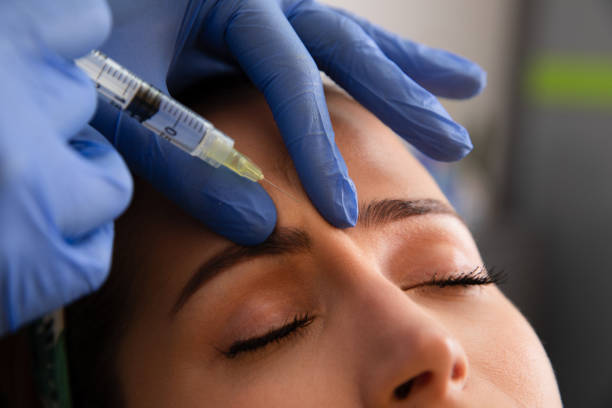
The human body has a remarkable ability to repair and restore itself through complex biological processes that support recovery, regeneration, and overall wellness. In recent years, scientific interest in peptides has grown because of their potential role in encouraging natural healing pathways within the body. Peptide Therapy in Abu Dhabi has gained attention as an advanced approach focused on supporting the body’s own biological functions through targeted peptide signals. Peptides are small chains of amino acids that act as messengers, helping communicate with cells and influencing processes involved in repair, renewal, and balance.
Understanding Peptides and Their Role in Natural Healing
Peptides are naturally occurring molecules made up of amino acids, the essential components that form proteins in the body. Proteins play important roles in maintaining tissues, supporting cellular activity, and helping the body respond to changes. Because peptides can influence communication between cells, they have become a subject of interest in regenerative science and wellness-focused research.
Natural healing involves multiple systems working together, including cellular communication, tissue maintenance, and the body’s ability to restore normal function. Peptides are studied for their potential to support these processes by sending specific signals that encourage healthy biological activity. Rather than replacing the body’s natural abilities, peptide-based approaches focus on supporting and enhancing existing repair mechanisms.
How Peptide Therapy May Support the Body’s Repair Processes
The body relies on coordinated cellular communication to maintain and repair tissues. When cells receive appropriate signals, they can perform essential functions related to regeneration and maintenance. Peptides may contribute to this communication by interacting with specific cellular pathways connected to healing and restoration.
Some peptides are researched for their relationship with tissue support, cellular renewal, and balanced biological activity. By encouraging certain natural responses, peptide therapy may help create an environment where the body’s repair systems can function more effectively. This potential makes peptides an important area of exploration in modern wellness and regenerative research.
Natural healing is not a single process but a combination of many activities occurring throughout the body. Peptide therapy focuses on supporting these activities through targeted signals that may influence how cells respond and function.
The Connection Between Peptides and Cellular Communication
Cells constantly communicate with each other to regulate growth, maintenance, and repair. This communication helps the body adapt to daily challenges and maintain internal balance. Peptides can act as signaling molecules that provide instructions or support messages between cells.
Because of their ability to interact with biological systems, peptides are being studied for their possible role in improving communication related to repair processes. Supporting efficient cellular messaging may help the body maintain healthier responses and encourage natural restoration.
The effectiveness of peptide therapy can depend on several individual factors, including biological differences and the specific peptide approach used. Each person’s natural healing capacity is influenced by unique characteristics, which means responses may differ.
Supporting Tissue Maintenance and Regeneration
Healthy tissues require continuous maintenance to remain strong and functional. The body naturally replaces damaged or aging components through ongoing repair activities. Peptides are being researched for their ability to support these natural mechanisms by influencing cellular functions involved in tissue upkeep.
One area of interest is how peptides may support the production and organization of important structural components within the body. These components contribute to tissue strength, flexibility, and overall function. By encouraging natural processes associated with maintenance and regeneration, peptides may help support the body’s ability to preserve healthy structures.
Regenerative research continues to examine how peptide signals interact with different biological systems. As scientific understanding develops, peptides remain a promising area for exploring ways to encourage natural healing processes.
Why Peptide Therapy Is Considered an Advanced Healing Approach
Modern wellness and regenerative science increasingly focus on methods that work alongside the body’s own systems. Peptide therapy represents this approach by concentrating on biological signals rather than simply addressing surface-level concerns.
The growing interest in peptides comes from their potential ability to provide targeted support. Instead of affecting general processes, specific peptides can be studied for their relationship with particular biological functions. This targeted nature has made peptide therapy an important topic in discussions about advanced approaches to supporting natural healing.
Research into peptides continues to expand as scientists learn more about cellular behavior and biological communication. These discoveries may further explain how peptides can contribute to maintaining balance and supporting the body’s repair capabilities.
Factors That Influence Natural Healing Ability
The body’s natural healing process depends on many interconnected factors, including genetics, overall wellness, biological activity, and environmental influences. Peptide therapy may support certain aspects of these processes, but natural healing is always influenced by the body’s complete internal environment.
Understanding healing requires recognizing the complexity of the human body. Every repair process involves multiple systems working together, from cellular activity to tissue function. Peptides represent one area of research focused on helping these systems communicate more effectively.
A balanced approach to supporting natural healing involves understanding how different biological mechanisms contribute to recovery and maintenance. Peptide therapy continues to attract interest because it aligns with the goal of supporting the body’s natural abilities.
The Future of Peptide Therapy in Natural Healing Research
As scientific research advances, peptides continue to be explored for their potential applications in supporting regeneration and wellness. Their ability to influence cellular communication provides valuable insights into how the body manages repair and renewal.
Future developments in peptide research may provide a deeper understanding of how these molecules can be used to support natural biological processes. The relationship between peptides and healing remains an evolving field with continued interest from researchers and individuals seeking advanced wellness solutions.
By focusing on the body’s own mechanisms, peptide therapy highlights the importance of working with natural biological systems. This approach continues to shape conversations around innovative methods for supporting health, repair, and overall balance.
FAQs
Q: Can peptide therapy help support natural healing?
A: Peptide therapy may support natural healing by providing biological signals that encourage cellular communication, repair processes, and tissue maintenance.
Q: How do peptides influence the body’s healing mechanisms?
A: Peptides act as signaling molecules that may interact with cells and support functions involved in regeneration, balance, and healthy biological activity.
Q: Are peptides naturally found in the body?
A: Yes, peptides are naturally occurring molecules made from amino acids and are involved in various biological communication processes.
Q: Why are peptides being researched for regenerative support?
A: Peptides are being studied because of their ability to influence cellular signals that may contribute to tissue maintenance and natural repair processes.
Q: Does peptide therapy work the same way for everyone?
A: Individual responses to peptide therapy can vary because each person has unique biological characteristics and different healing processes.