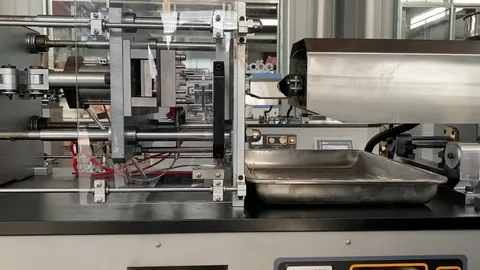
Custom injection molding plays a critical role in modern manufacturing, allowing businesses to create highly precise, durable, and scalable plastic components. However, achieving success in such projects requires careful planning, technical knowledge, and collaboration with the right partners. In this article, we explore expert tips that can help ensure your custom injection molding projects run smoothly from concept to production.
Define Clear Project Requirements from the Start
A successful custom injection molding project begins with a clear understanding of product requirements. Before any design or tooling work begins, it is essential to define the part’s function, material needs, tolerances, and expected production volume. This clarity helps avoid costly revisions later in the process.
Poorly defined requirements often lead to delays, budget overruns, and inconsistent product quality. By documenting expectations early, teams can align engineering, design, and manufacturing goals more effectively.
Key considerations:
- Define product functionality and performance expectations
- Specify material type based on durability and environment
- Establish dimensional tolerances and surface finish requirements
- Estimate production volume and scalability needs
- Identify regulatory or industry compliance requirements
Choose the Right Material for Performance and Cost Efficiency
Material selection is one of the most important factors in custom injection molding success. The chosen material affects durability, flexibility, heat resistance, and cost. Engineers must balance performance requirements with budget constraints to select the most suitable resin.
Different applications require different materials, such as ABS for toughness, polypropylene for flexibility, or polycarbonate for high impact resistance. Working closely with material suppliers or mold engineers can significantly improve final product quality.
Key considerations:
- Evaluate mechanical and thermal properties of materials
- Consider chemical resistance and environmental exposure
- Balance cost with long-term performance needs
- Test multiple material samples before final approval
- Ensure material compatibility with molding process
Invest in High-Quality Mold Design and Engineering
The mold is the heart of any custom injection molding project. A well-designed mold ensures consistency, reduces defects, and improves production efficiency. Poor mold design, on the other hand, can lead to flashing, warping, or incomplete filling.
Collaborating with experienced mold designers helps optimize gate locations, cooling channels, and ejection systems. These details significantly impact cycle time and part quality.
Key considerations:
- Optimize mold flow design to ensure even material distribution
- Include efficient cooling systems to reduce cycle time
- Select appropriate gate and runner systems
- Design for easy maintenance and long mold life
- Use simulation tools to predict potential defects
Prioritize Prototyping and Testing Before Mass Production
Prototyping is a crucial step in custom injection molding that helps identify design flaws before full-scale production. By testing prototypes, manufacturers can evaluate fit, function, and durability under real-world conditions.
Skipping this stage often leads to expensive production errors. Iterative testing ensures that the final design is optimized for both performance and manufacturability.
Key considerations:
- Create rapid prototypes using 3D printing or soft tooling
- Conduct fit, stress, and durability testing
- Gather feedback from engineers and end users
- Refine design based on test results
- Validate mold performance before mass production
Work with an Experienced Custom Injection Molding Partner
Choosing the right manufacturing partner can determine the success or failure of your project. An experienced provider of custom injection molding services brings technical expertise, advanced equipment, and process optimization knowledge.
A reliable partner can also help reduce costs, improve production efficiency, and ensure consistent quality across large production runs. Strong communication between client and manufacturer is key to avoiding misunderstandings.
Key considerations:
- Evaluate manufacturer experience and industry expertise
- Review past project portfolios and case studies
- Ensure strong quality control systems are in place
- Confirm scalability for future production needs
- Maintain open communication throughout the project
Conclusion
Custom injection molding is a powerful manufacturing solution that enables the production of precise, durable, and scalable plastic components. However, success depends on careful planning, material selection, mold design, prototyping, and choosing the right manufacturing partner. By following these expert tips, businesses can reduce risks, improve product quality, and optimize production efficiency.
Whether you are developing a new product or improving an existing one, applying best practices in custom injection molding will help ensure long-term success and competitive advantage in the market.