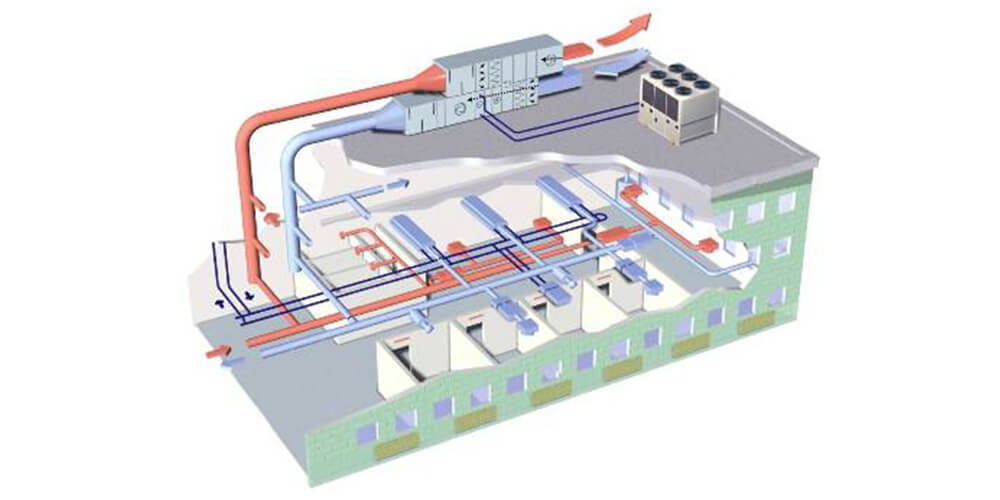
An HVAC system is indispensable in controlling indoor environments, ensuring comfort and air quality in diverse settings. These systems regulate temperature, humidity, and airflow, adapting to the specific requirements of each location. Whether supporting health in medical facilities or boosting productivity in workplaces, Heat Ventilation Air Conditioning Systems support functionality and efficiency. Their ability to filter air and maintain consistent conditions is critical in spaces such as museums, laboratories, and data centres, where precise environmental control is necessary. Additionally, modern HVAC technology incorporates energy-efficient solutions that align with sustainability goals while reducing operational costs. The wide-ranging applications of these systems demonstrate their essential role in both residential and commercial environments.
Regulating Comfort in Residential Homes
In residential environments, Heat Ventilation Air Conditioning Systems play a crucial role in creating a balanced and comfortable atmosphere. These systems provide effective temperature control, ensuring consistent warmth during colder periods and maintaining a cool interior during warmer months. Additionally, advanced filtration features improve indoor air quality by reducing contaminants such as dust, pollen, and other airborne particles, promoting a healthier living space.
Energy-efficient HVAC solutions are increasingly being utilised in homes, aligning with efforts to lower energy consumption and minimise environmental impact. By providing reliable climate control and supporting overall well-being, these systems are integral to modern residential living, enhancing comfort and functionality in households of varying sizes and designs.
Enhancing Air Quality in Commercial Buildings
In commercial buildings, Heat Ventilation Air Conditioning Systems contribute significantly to maintaining a healthier indoor environment by ensuring proper air exchange and ventilation. These systems are designed to reduce the accumulation of airborne pollutants, including dust, volatile organic compounds, and allergens, which may otherwise compromise occupant health and comfort.
Advanced HVAC technologies incorporate air filtration mechanisms that trap contaminants and improve overall air quality. Additionally, their ability to regulate indoor humidity levels helps prevent issues such as mould growth, which can harm both structural integrity and occupant well-being.
By maintaining stable environmental conditions, Heat Ventilation Air Conditioning Systems play a pivotal role in creating a productive, safe workspace while supporting long-term building performance and sustainability objectives.
Maintaining Optimal Conditions in Hospitals
Heat Ventilation Air Conditioning Systems are integral to hospitals, providing precise control of environmental conditions to meet the unique requirements of healthcare settings. They regulate temperature and humidity to create an optimal atmosphere for patient recovery while preventing the spread of infectious agents. Advanced filtration in these systems eliminates airborne pathogens, ensuring a clean, hygienic environment in critical areas such as operating theatres, intensive care units, and isolation rooms.
Consistent airflow and ventilation also help maintain air purity and comfort for patients, visitors, and healthcare staff. By supporting stringent environmental standards, Heat Ventilation Air Conditioning Systems play a crucial role in preserving health and safety across medical facilities, ensuring their functionality and compliance with healthcare regulations.
Ensuring Air Quality in Educational Institutions
Educational institutions depend on Heat Ventilation Air Conditioning Systems to maintain a conducive, healthy indoor environment that supports effective learning and teaching. By regulating temperature and humidity, these systems create comfortable conditions in classrooms, libraries, and other academic spaces. Advanced air filtration within Heat Ventilation Air Conditioning Systems helps minimise allergens, dust, and airborne pathogens, reducing health risks and improving overall air quality. This contributes to fewer instances of illness-related absences among students and staff.
Schools and universities increasingly adopt energy-efficient HVAC technologies to support environmental sustainability while reducing energy consumption and operating expenses. Integrating these systems demonstrates a commitment to enhancing educational environments, ensuring they remain safe, functional, and conducive to productivity.
Providing Comfort in Shopping Centres
Shopping centres rely on advanced Heat Ventilation Air Conditioning Systems to maintain an inviting atmosphere that accommodates varying occupancy levels and expansive spaces. These systems are engineered to regulate temperature consistently, ensuring a pleasant indoor climate despite external weather changes or high foot traffic. Efficient ventilation promotes air circulation, helping minimise odours and improve overall air quality.
Furthermore, modern HVAC technologies can adapt dynamically to fluctuations in conditions, ensuring optimal performance across different areas such as food courts, retail zones, and communal spaces. Energy efficiency is another key feature of these systems, allowing shopping centres to balance operational needs with environmental considerations.
By supporting both comfort and functionality, Heat Ventilation Air Conditioning Systems help these multifaceted environments operate seamlessly.
Optimising Airflow in Industrial Facilities
Industrial facilities require Heat Ventilation Air Conditioning Systems that can address the unique challenges of large-scale operations. Effective airflow optimisation is essential to ensure proper ventilation, particularly in settings where machinery generates substantial heat or emits fumes and particles. These systems remove harmful contaminants from the air, promoting a safer and more comfortable working environment.
Additionally, by maintaining consistent temperatures and humidity levels, Heat Ventilation Air Conditioning Systems help prevent equipment malfunctions and extend machinery life. Integrating energy-efficient technologies into industrial HVAC solutions further improves operational efficiency, reduces energy consumption, and supports sustainable practices. The ability to adapt to the specific demands of industrial environments underscores the importance of Heat Ventilation Air Conditioning Systems in maintaining productivity and safety.
Preserving Artwork in Museums and Galleries
Museums and galleries depend on Heat Ventilation Air Conditioning Systems to maintain the delicate balance of environmental conditions required to preserve valuable artworks and artefacts. By precisely regulating temperature and humidity levels, these systems help mitigate risks such as warping, fading, or mould growth, which can result from fluctuating or extreme conditions.
Advanced filtration systems also remove pollutants and particulate matter that could otherwise damage fragile materials over time. In addition, consistent airflow and minimal environmental variation are critical for protecting items made from organic materials, such as wood or fabric. The careful integration of Heat Ventilation Air Conditioning Systems allows museums to uphold stringent preservation standards, ensuring the longevity of cultural treasures and historical items.
Creating Comfortable Environments in Hotels with HVAC System
HVAC system is an essential in hotels for maintaining a consistent, pleasant indoor climate, ensuring guests experience optimal comfort during their stay. These systems enable precise temperature and humidity regulation across various hotel areas, including guest rooms, lobbies, and conference spaces. Advanced filtration features improve indoor air quality by reducing allergens, dust, and other airborne particles, fostering a healthier and more enjoyable environment.
Additionally, modern HVAC technologies support energy-efficient operation, helping hotels reduce energy consumption while meeting sustainability objectives. By ensuring a stable and inviting atmosphere, these systems enhance the overall guest experience and support the operational efficiency of hospitality establishments, catering to the diverse needs of visitors and staff alike.
Supporting Environmental Control in Laboratories
Laboratories rely on advanced Heat Ventilation Air Conditioning Systems to ensure precise control over environmental conditions, which is critical for maintaining the accuracy and integrity of research activities. These systems are specifically designed to regulate temperature and humidity levels, providing the stable atmosphere required for various scientific processes, including chemical reactions and biological experiments. High-efficiency filtration components within Heat Ventilation Air Conditioning Systems remove airborne contaminants, minimising the risk of cross-contamination and preserving experimental purity.
Moreover, consistent airflow supports the safe handling of hazardous substances, contributing to compliance with strict laboratory safety standards. Heat Ventilation Air Conditioning Systems can deliver tailored environmental control, supporting groundbreaking research and safeguarding the health of laboratory personnel.
Facilitating Climate Control in Airports
Airports depend on advanced Heat Ventilation Air Conditioning Systems to maintain consistent indoor conditions across vast terminals and facilities. These systems regulate temperature, humidity, and airflow, ensuring comfort for passengers and staff despite fluctuating occupancy levels or changing external weather. Effective ventilation is crucial for mitigating pollutants from aircraft operations and vehicular emissions, helping improve overall air quality.
Additionally, Heat Ventilation Air Conditioning Systems support critical airport operations by maintaining stable environmental conditions in areas such as control rooms and baggage handling zones. Energy-efficient features in modern HVAC solutions reduce operational energy consumption, supporting sustainability goals while ensuring smooth operation in these complex, high-traffic environments.
Ensuring Efficiency in Data Centres
Data centres rely on Heat Ventilation Air Conditioning Systems to provide precise temperature and humidity control, essential for the seamless functioning of sensitive equipment. These systems are specifically engineered to manage heat loads generated by servers, ensuring consistent cooling to prevent overheating and hardware failure. Advanced airflow management and filtration features help maintain a clean, stable environment, which is critical for reducing the risk of damage from dust and contaminants.
Additionally, energy-efficient HVAC technologies optimise power consumption, balancing operational requirements with sustainability goals. The tailored capabilities of these systems underpin the reliability and performance of data centre operations.
Improving Vehicle Climate Control Systems
Vehicle climate control systems use advanced HVAC technology to maintain a comfortable, consistent cabin environment, regardless of external weather conditions. These systems regulate temperature efficiently, providing both heating and cooling while improving air circulation within the vehicle.
Integrated features such as defrosting and demisting ensure optimal visibility in adverse weather conditions. Modern advancements in automotive Heat Ventilation Air Conditioning Systems have focused on improving energy efficiency, supporting sustainability efforts, and enhancing overall vehicle performance without compromising passenger comfort.
Conclusion: Precision Climate Control across Diverse Environments
HVAC system is essential for regulating indoor microclimates, maintaining precise temperature control, and safeguarding air quality across diverse commercial, residential, and industrial applications. From critical environments like data centres and research laboratories—where exact humidity parameters prevent hardware failure and experimental contamination—to high-traffic public hubs, advanced HVAC infrastructure drives operational success. Integrating energy-efficient designs, high-efficiency particulate filtration, and automated airflow controls lowers carbon footprints, ensures compliance with national building standards, and protects human health. Upgrading and maintaining modern Heat Ventilation Air Conditioning Systems remains an indispensable investment for optimizing performance, safety, and long-term structural efficiency across Australia.
Frequently Asked Questions
Why is precise HVAC climate control critical in laboratory and medical environments?
Medical facilities and laboratories require strict environmental controls to prevent contamination and safeguard sensitive procedures. Advanced Heat Ventilation Air Conditioning Systems maintain precise temperature, humidity, and pressure differentials while using high-efficiency HEPA filtration to eliminate airborne pathogens, chemical fumes, and fine particulates. This ensures compliance with stringent health regulations, protects research integrity, and reduces cross-contamination risks.
How energy-efficient HVAC systems do lowers operational costs for commercial facilities?
Energy-efficient HVAC systems incorporate variable-speed compressors, smart thermostats, and automated airflow sensors that dynamically adjust heating and cooling based on real-time occupancy and environmental changes. By preventing unnecessary power consumption during off-peak hours and reducing mechanical strain on components, these systems significantly lower utility bills, minimize system wear, and extend total equipment lifespan.
What role do Heat Ventilation Air Conditioning Systems play in preventing hardware failure in data centres?
Servers and computing infrastructure produce massive thermal loads that can cause system overheating, hardware degradation, and costly downtime if left unmanaged. Data centre Heat Ventilation Air Conditioning Systems deliver targeted airflow, humidity regulation, and specialized precision cooling to dissipate excess heat efficiently, maintaining optimal operating parameters and preventing condensation or static buildup on critical digital infrastructure.
How often should commercial Heat Ventilation Air Conditioning Systems undergo preventative maintenance?
Commercial Heat Ventilation Air Conditioning Systems should undergo comprehensive preventative maintenance at least every three to six months. Routine servicing includes replacing high-efficiency air filters, inspecting ductwork for leaks, checking refrigerant levels, lubricating mechanical components, and calibrating digital thermostats. Regular upkeep ensures optimal energy efficiency, prevents unexpected mechanical breakdowns, and maintains superior indoor air quality.
What is the importance of indoor humidity control in museums and art galleries?
Fluctuating humidity levels cause organic materials such as wood, canvas, paper, and textiles to expand, contract, warp, or crack, potentially causing irreversible damage to priceless historical artefacts. Heat Ventilation Air Conditioning Systems designed for preservation maintain stable humidity ranges—typically between 45% and 55% relative humidity—preventing structural decay, mould proliferation, and pigment fading over extended periods.
| Related Business Listings |
| Contact Directory |
| Local Business Profiles |


