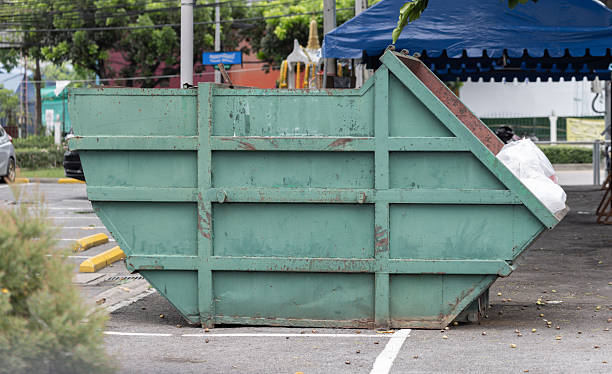
green dumpster filled with resident debris. Dumpsters being full with garbage container Over flowing
Renting a container makes a cleanout, remodel, or roof job much easier, but tossing the wrong item inside can lead to extra fees, refused pickups, or even safety problems. That is why anyone booking a dumpster rental service in East Stroudsburg PA should learn the restricted items list before the first bag is thrown in. Homeowners and contractors who want clear guidance often speak with Demo Containers before the container arrives. This list covers ten common items that usually cannot go in a rental dumpster and what to do with them instead. Let’s begin with why the rules exist.
Why These Rules Exist
Dumpsters go to transfer stations and landfills with strict environmental and safety rules. Hazardous materials can leak, catch fire, or poison soil and water, and workers handling the load can be injured. A responsible dumpster rental service in East Stroudsburg PA follows those regulations carefully, and so should you, because rules differ by provider and facility.
1. Paint, Solvents, and Household Chemicals
Wet Paint
Liquid paint is typically prohibited because it can leak and contaminate the load. Cans that are completely dried out are sometimes accepted, so ask before tossing them in.
Solvents and Stains
Thinners, strippers, wood stains, and varnish are flammable and harmful. They belong at a household hazardous waste collection event rather than in a container.
Cleaners and Pesticides
Strong cleaners, pool chemicals, and garden pesticides can react dangerously with other materials. Keep them out of the dumpster and use local collection programs.
2. Batteries
Car batteries, lithium-ion packs, and even household batteries can leak acid or spark fires when crushed in a compactor truck. Most providers ban them outright. Many auto parts stores and recycling centers accept batteries for free or a small fee.
3. Tires
Tires are bulky, do not compress well, and are often banned from landfills. Some providers accept them for an additional fee, but most prefer you to take them to a tire dealer or recycler. Confirm the rule before loading any.
4. Refrigerators, Freezers, and Air Conditioners
Refrigerators and Freezers
These appliances contain refrigerants that must be removed by a certified professional before disposal. Once serviced, a tag is usually attached, and some providers will accept them with proof.
Air Conditioners and Dehumidifiers
Window units and dehumidifiers use the same type of refrigerants and follow similar rules. Ask your provider about recovery requirements or look for appliance recycling programs.
5. TVs, Computers, and Other Electronics
Electronics contain lead, mercury, and other substances that should stay out of landfills, and state rules limit their disposal in many cases. Look for electronics recycling events, retailer take-back programs, or municipal drop-off sites instead.
6. Propane Tanks and Gas Cylinders
Why They Are Risky
Even tanks that seem empty can hold residual gas, and compaction can cause explosions. This makes them a serious safety hazard for drivers and facility workers.
Safe Alternatives
Return tanks to the supplier, exchange them at a retailer, or use hazardous waste collection options. Never leave them in a container, even if the tank looks old or rusty.
7. Fluorescent Bulbs and Mercury Items
Fluorescent tubes, compact bulbs, and old thermostats contain mercury. Breaking them in a container releases toxic vapor. Many hardware stores take used bulbs, and local programs handle thermostats and similar devices.
8. Asbestos and Hazardous Building Materials
Older homes in the area may still contain asbestos in insulation, floor tiles, or siding. These materials require licensed testing and abatement and can never go into a standard dumpster. If you are unsure what your project involves, test first before demolition begins.
9. Liquids, Motor Oil, and Fuel
Motor Oil and Fuel
Used oil, gasoline, and diesel are flammable and polluting. Auto shops and recycling centers often accept used oil for free.
Water and Other Liquids
Standing liquids add weight and risk leaks from the container. Let materials dry out and drain buckets or barrels completely before disposal.
10. Medical Waste and Sharps
Needles, syringes, and biohazardous materials are never accepted in rental dumpsters because they endanger workers and the public. Ask a pharmacy, clinic, or local health program about proper sharps disposal options.
A Quick Checklist Before You Load
Use these steps to avoid problems with any dumpster rental service in East Stroudsburg PA:
- Ask for the provider’s prohibited items list in writing.
- Check weight limits, since heavy materials like concrete may need a separate container.
- Sort hazardous items into a separate pile before the dumpster arrives.
- Do not overfill the container above the top rim.
- Call the provider if you are unsure about any item before loading it.
Conclusion
Knowing the restricted items list helps you avoid fees, delays, and safety risks when you book a Dumpster rental service in East Stroudsburg PA. Sort your waste early, ask questions, and choose a provider that explains its rules clearly. A little planning keeps your project moving smoothly from the first load to the final pickup.
Frequently Asked Questions
What happens if I put a prohibited item in the dumpster?
The provider may charge extra fees, refuse to haul the load, or ask you to remove the item. Serious hazards can also create legal and safety problems. Always check the restricted items list before you load, and call if you are unsure.
Can I throw away furniture and mattresses?
Many providers accept furniture, but some charge extra for mattresses or limit them depending on the disposal facility’s rules. Ask before loading these items so there are no surprises on your invoice. Donating usable pieces is also an option.
Are construction materials allowed?
Most construction debris such as wood, drywall, and roofing shingles is accepted, but heavy materials like concrete, brick, and dirt may need a special container. Weight limits also apply. Ask about your project type when you book.
How do I get rid of hazardous household waste?
Local governments and recycling centers often hold collection days or have permanent drop-off sites for paint, chemicals, and similar items. Retail stores may also accept batteries and bulbs. Check your county’s waste program for current options and schedules.
How do I pick the right dumpster size?
Consider the type and amount of waste, then choose a size that fits comfortably without overfilling. A smaller container works for cleanouts, while larger ones suit remodels and roofing. Your provider can recommend a size based on your project.
