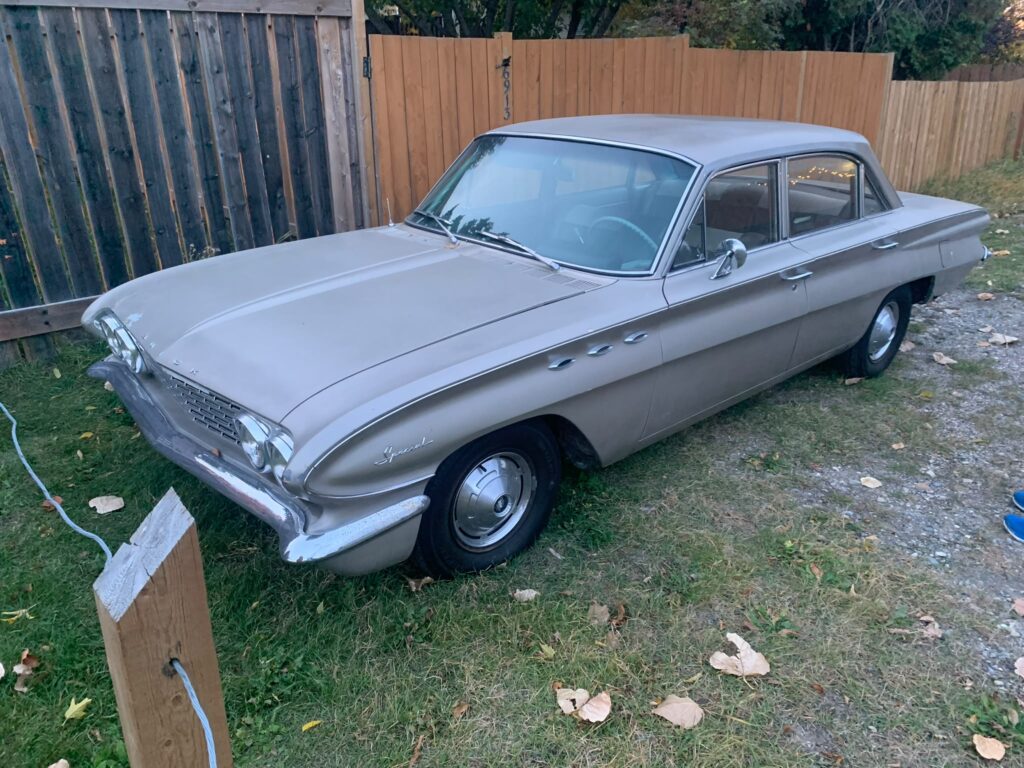
You hand over the keys, a tow truck pulls away, and your old car disappears down the street. Most people never think about it again. But the story is only beginning. Behind that tow truck is a surprisingly careful process that turns an old vehicle into reusable parts, recycled metal, and materials that feed new products.
Knowing what happens next answers a common question: is my old car really worth something? It also helps you judge buyers and appreciate why cash for cars calgary services can pay for cars that no longer run. This article follows a typical car through ten stages, from the driveway to the recycler. Exact steps vary between facilities, so treat this as a general picture rather than a rulebook.
Stage 1: Pickup and Transport
The journey begins with a tow or flatbed collecting the vehicle. For a car that does not run, this equipment is essential. The driver confirms the car’s condition, checks paperwork, and secures the vehicle for transport.
Why it matters: This is the step that saves you the cost and trouble of moving a car that cannot move itself.
Stage 2: Paperwork and Records
Before anything else happens, the vehicle is logged. Identification details are recorded, ownership documents are checked, and the sale is documented. A proper bill of sale protects both sides.
Why it matters: Good records keep the process legal and give you proof that the car left your hands.
Stage 3: Inspection and Sorting
The vehicle is assessed to decide its best path. Questions include: Is it complete? Do the engine and transmission still work? What is the condition of the body, glass, and interior? Are there valuable components worth saving?
Why it matters: This is where a car’s value is set. A complete, popular model with good parts follows a different path from one that is heavily damaged.
Stage 4: Draining the Fluids
Cars contain fluids that need careful handling, including oil, coolant, fuel, brake fluid, transmission fluid, and washer fluid. These are drained and collected in suitable containers so they do not contaminate soil or water.
Why it matters: Proper fluid handling protects the environment, and many fluids can be filtered, treated, or reused.
Stage 5: Removing Hazardous and Regulated Components
Certain parts need special care. These typically include the battery, air conditioning refrigerant, and, depending on the vehicle, components such as airbags and mercury switches in older models. They are removed and handled according to the rules that apply.
Why it matters: Removing hazardous materials before crushing keeps recycling cleaner and safer.
Stage 6: Harvesting Reusable Parts
This is the stage that surprises most people. Components that still work are removed and kept for resale. Depending on the car, these can include:
- Engines and transmissions
- Alternators, starters, and AC compressors
- Doors, hoods, fenders, and bumpers
- Mirrors, lights, and glass
- Seats and interior trim
- Wheels, rims, and tires
- Electronics and control modules
Why it matters: Reused parts save drivers and shops money, and keep working components out of the waste stream. This is a major reason a non-running car still has value.
Stage 7: Recovering Valuable Materials
Some parts contain materials worth recovering. The catalytic converter, for instance, includes metals that recyclers value. Wiring contains copper. Aluminum parts such as wheels and certain engine components are also collected.
Why it matters: These materials give an old car a baseline value even when most parts cannot be reused.
Stage 8: Handling Tires and Batteries
Tires and batteries go down their own recycling paths.
- Tires can be reused if in good shape, or processed into other products when worn.
- Batteries contain lead and other materials that are recovered and used in new batteries.
Why it matters: These items are among the most commonly recycled parts of a car, and diverting them keeps harmful materials out of landfills.
Stage 9: Crushing, Shredding and Sorting
After useful parts and hazardous materials are removed, the remaining shell is crushed and typically shredded. Magnets and other sorting methods separate steel from other materials.
Why it matters: Steel makes up a large share of a car’s weight, and sorting it cleanly makes it valuable to mills.
Stage 10: A Second Life
The recovered materials head back into industry.
- Steel is melted and used in new steel products.
- Aluminum is melted and reformed for new parts and products.
- Copper is reused in wiring and electronics.
- Other materials such as glass, plastics, and rubber are recycled where facilities exist, though recovery varies by material and location.
- Used parts go on to keep other vehicles running.
Why it matters: The car you drove for years becomes part of something new, rather than ending up as waste.
The Journey at a Glance
| Stage | What happens | Why it matters |
| 1 | Pickup | You do not move the car |
| 2 | Paperwork | Proof of the sale |
| 3 | Inspection | Sets the car’s value |
| 4 | Fluids drained | Protects the environment |
| 5 | Hazardous parts removed | Keeps recycling safe |
| 6 | Parts harvested | Keeps parts in use |
| 7 | Materials recovered | Sets a value floor |
| 8 | Tires and batteries | Diverts harmful waste |
| 9 | Crushed and sorted | Prepares steel and metals |
| 10 | Second life | Materials re-enter industry |
Why This Matters to Your Offer
Understanding the journey explains how a buyer sets a price. Value comes from several layers.
- Parts you can resell. Working components bring the most value.
- Steel, aluminum, copper, and other recyclables set a floor.
- Condition and completeness. A whole car is worth more than a stripped one.
- Market conditions. Parts and metal prices shift over time.
That is why two cars of the same age can receive different offers, and why a car that cannot drive can still carry real money.
What You Can Do to Protect Your Car’s Value
- Do not strip parts yourself. A complete vehicle usually sells for more, because buyers can harvest the parts.
- Keep the catalytic converter and major components in place.
- Share what is good. New tires, a recent battery, or a working transmission can raise the offer.
- Be honest about condition. Accurate details lead to firm quotes that do not change at pickup.
- Compare quotes. Offers vary between buyers, and a short comparison can add real money.
Why Cash for Cars Calgary Services Fit This Journey
A cash for cars calgary buyer is built around this process.
- They buy cars as they are. No repairs, cleaning, or inspections needed.
- Pickup is usually arranged for you. Ask about scrap car removal for cars at the end of the road.
- Quotes come quickly. Many owners receive an offer within a day.
- No strangers and no haggling. You avoid listings, messages, and no-shows.
- Guided paperwork. A reputable buyer explains how to transfer ownership properly in Alberta.
For cars too worn out for parts, options such as cash for scrap cars can still pay for the materials.
How to Get Your Car Ready
- Remove your belongings. Check the glove box, trunk, and under the seats.
- Gather your documents. Have registration and ID ready, and ask your lender for a payout amount if there is a lien.
- Take photos. Document the car’s condition before pickup.
- Handle plates and insurance correctly. Follow Alberta’s requirements and ask a registry agent if you are unsure.
- Confirm the details. Ask about towing, fees, and payment method before pickup.
Mistakes to Avoid
Assuming a recycled car is worthless. Parts and materials carry real value.
Letting a car leak in the yard. Fluids can contaminate soil, so do not leave an old car forever.
Choosing buyers with no clear process. Look for a real business with clear terms.
Skipping paperwork. Keep a record of the sale.
Waiting too long. Rust and decay lower the value of parts and metal.
Frequently Asked Questions
Is every part of a car recycled?
Most of a car’s weight, especially metal, can be recovered. Recovery varies by material and facility, so not every component is recycled.
Can a car with a failed engine still be worth something?
Often yes. Other parts and materials still carry value.
Will the buyer reuse my car’s parts?
Many do, depending on the car’s condition and demand.
Do I need to remove fluids or the battery myself?
Usually not. Ask the buyer if they need anything done before pickup.
The Bottom Line
When your old car leaves the driveway, it does not simply vanish. It enters a careful process that drains and handles fluids, removes hazardous parts, harvests useful components, recovers metals, and sends the rest back into industry. Each stage adds value, which is why a car that no longer runs can still earn you money.
If your car is ready for that journey, contact the team, describe it honestly, and compare your offer. A cash for cars calgary service can collect the vehicle, pay you for what it is worth, and give your old car a second life.