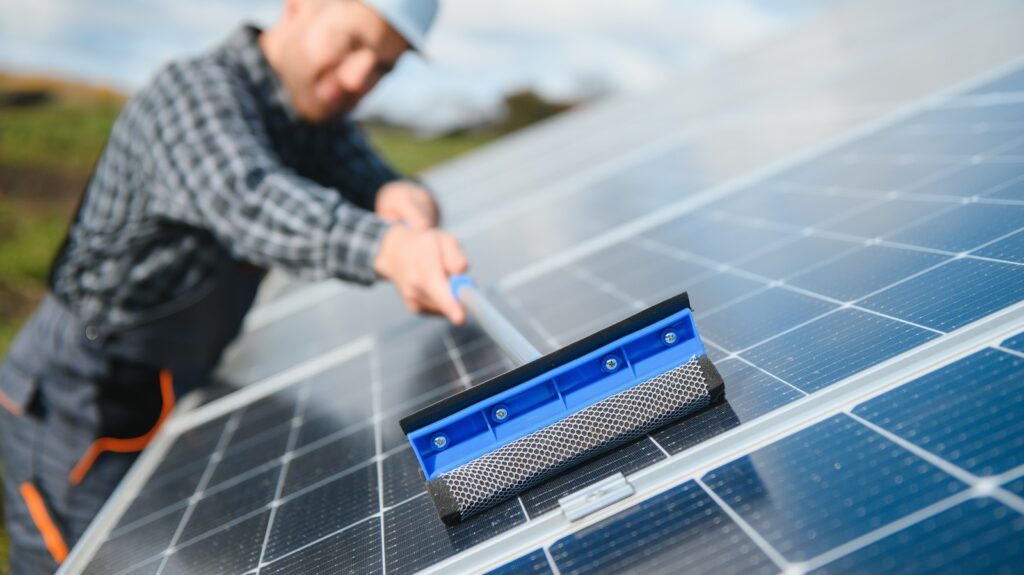
A layer of dust may seem harmless, but dirty solar panels can quietly reduce the amount of sunlight reaching the cells. If your energy production has dropped without an obvious electrical problem, the panels themselves may need attention. Fortunately, several warning signs can help homeowners identify the issue early. Knowing when to schedule Solar panel cleaning services can help restore performance, protect your investment, and keep your system working efficiently.
Why Clean Solar Panels Matter
Solar panels need direct sunlight to generate electricity efficiently. Dust, pollen, bird droppings, leaves, pollution, and other debris can collect on the glass surface and interfere with sunlight reaching the photovoltaic cells.
A small amount of dust may not cause a major problem, but heavy or uneven buildup can become more significant. This is especially true after long periods without rain or in areas with construction, agriculture, high traffic, or frequent airborne dust.
Regular Solar panel cleaning can help maintain a clear surface and make it easier to identify other problems, such as cracked glass, damaged wiring, or physical obstructions.
10 Signs Your Solar Panels Need Professional Cleaning
1. Your Energy Production Has Dropped
One of the clearest signs is an unexplained decrease in electricity production. Solar monitoring systems often display daily or monthly generation, making it easier to compare current performance with previous periods.
If sunlight conditions have remained fairly consistent but production has declined, dirty panels may be contributing to the problem. Before assuming the system has an electrical fault, check whether the panel surfaces have visible buildup.
A professional can inspect the system and determine whether cleaning is appropriate or whether another issue needs attention.
2. You Can See a Heavy Layer of Dust
Sometimes the simplest warning sign is right in front of you.
Look at the panels from the ground on a clear day. If the glass appears dull, dusty, cloudy, or covered with visible residue, sunlight may not be reaching the cells as effectively as it should.
Common materials found on solar panels include:
- Dust and dirt
- Pollen
- Bird droppings
- Leaves and plant debris
- Road pollution
- Ash and other airborne particles
- Water spots and mineral deposits
A light layer may not require immediate attention. However, substantial buildup is a good reason to arrange an inspection.
3. Bird Droppings Are Covering the Panels
Bird droppings can create a particularly stubborn type of surface contamination. Unlike loose dust, they can dry onto the glass and remain in place even after light rain.
The problem can become more noticeable when birds repeatedly perch near or above the solar array. Large deposits can block sunlight from reaching parts of the panel.
Because dried waste can be difficult to remove safely, professional cleaning may be preferable, particularly when panels are installed on a steep or difficult-to-access roof.
4. Rain Is No Longer Keeping Them Clean
Rain can wash away loose dust, but it does not guarantee that solar panels will remain clean.
Rainwater may leave behind minerals, dirt, pollen, and other residue as it evaporates. In dry climates, rainfall can sometimes create muddy spots or streaks rather than fully cleaning the glass.
If several rainy periods have passed and the panels still look dirty, natural rainfall may not be enough. A proper cleaning can remove residue that ordinary weather conditions leave behind.
5. Your Panels Have Sticky or Oily Residue
Solar panels located near busy roads, industrial areas, agricultural operations, or construction sites may collect more than ordinary dust.
Airborne particles can mix with moisture and create a film that adheres to the glass. This type of buildup may be difficult to remove with simple rinsing.
If the panels look hazy even after rainfall, professional cleaning can help determine what is causing the residue and how it should be removed without damaging the surface.
6. You Notice Uneven Dirt or Shading
Solar panels do not always become dirty evenly. Nearby trees, roof structures, birds, and surrounding buildings can create areas where debris accumulates more quickly.
Uneven contamination deserves attention because one section of a panel may receive significantly less sunlight than another. Similarly, physical shading from growing branches can affect production even when the panel itself is clean.
A professional inspection can distinguish between dirt-related shading and permanent environmental shading.
7. The Panels Are Difficult or Unsafe to Reach
Roof-mounted solar panels are often positioned in places that are difficult to access safely. Walking on a roof without the appropriate experience and equipment can create fall risks and may also damage roofing materials.
For that reason, homeowners should think about access before attempting DIY cleaning.
Professional technicians can use appropriate equipment and cleaning methods for the installation. This is particularly important for panels mounted on steep roofs, multi-story buildings, garages, or structures with limited access.
8. You Live in a Dusty or Dry Area
Environmental conditions have a major effect on how quickly solar panels become dirty.
Homes located in dry regions may experience frequent dust and wind-blown debris. Similarly, properties near construction sites, unpaved roads, farms, or large open areas may accumulate dirt faster than homes in cleaner environments.
In these locations, homeowners may need to inspect their panels more frequently. A regular maintenance schedule can help prevent heavy buildup from continuing for long periods.
9. Your Panels Have Hard Water or Mineral Stains
Water quality can affect the appearance of solar panels. When hard water dries on the glass, it may leave behind mineral deposits that become increasingly noticeable over time.
These marks can make the surface appear cloudy or stained. Repeatedly spraying the panels with untreated tap water may not solve the problem and can sometimes add more mineral residue.
Professional cleaning methods can address stubborn deposits while reducing the risk of scratching or damaging the panel surface.
10. It Has Been a Long Time Since the Last Cleaning
Sometimes there is no dramatic warning sign. The biggest clue may simply be the amount of time since the panels were last inspected and cleaned.
Solar panels are designed to operate outdoors, but that does not mean they are maintenance-free. Their condition depends on local weather, surrounding vegetation, air quality, bird activity, and installation location.
If you cannot remember the last time your panels were cleaned or inspected, it may be worthwhile to have them evaluated.
How to Decide Whether You Need Professional Cleaning
Not every dirty-looking panel requires immediate professional service. The right approach depends on the type of buildup, the location of the system, and how accessible the panels are.
Use the following table as a simple starting point:
| Sign or Condition | Possible Impact | Recommended Action |
|---|---|---|
| Light dust | Usually minor performance effect | Monitor the panels |
| Heavy dirt buildup | Can reduce sunlight reaching cells | Consider professional cleaning |
| Bird droppings | Can block sunlight in specific areas | Arrange cleaning if buildup is significant |
| Mineral stains | Can create persistent surface residue | Consider professional treatment |
| Production decline | May indicate dirt or another system issue | Check monitoring data and arrange inspection |
| Panels on a steep roof | Creates access and fall risks | Use a qualified professional |
| Nearby construction | Can increase dust accumulation | Inspect panels more frequently |
| Heavy pollen | May coat the glass surface | Clean when buildup becomes substantial |
| Leaves and debris | Can block sunlight or retain moisture | Remove safely and inspect |
| Long period without maintenance | Problems may go unnoticed | Schedule an inspection |