PTFE adhesive tape South Africa
PTFE adhesive tape turns up in industrial, electrical, plumbing, and engineering work because little sticks to it. Most chemicals leave it alone. Buyers in South Africa should consider the following aspects when choosing PTFE adhesive tape.
Temperature resistance
PTFE adhesive tape South Africa handles demanding temperatures, which is why it appears around heat. How much it handles depends on the construction: the backing, the adhesive formulation, and the film thickness. Check two figures on the datasheet: continuous operating temperature and maximum short-term exposure. Both matter for machinery, heating equipment, electrical systems, and process plants. A tape rated under the service temperature loses adhesion, deforms, and comes off sooner.
Adhesive type and bond strength
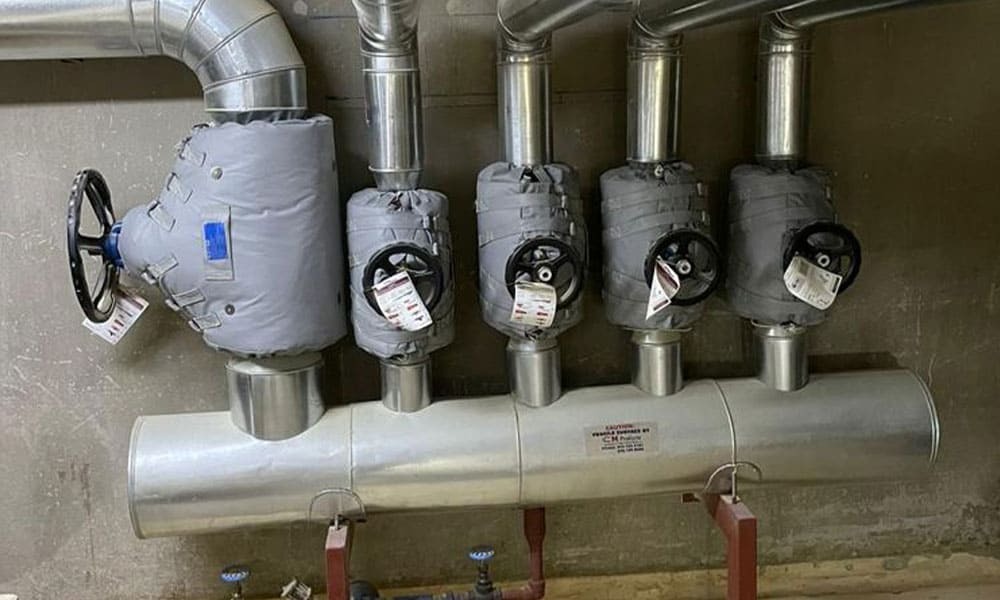
The PTFE surface does its own job. The adhesive decides whether the tape stays put on the metal, plastic, or composite underneath. Silicone pressure-sensitive adhesives are common where temperatures run high. Other formulations suit different bonding needs. Compare initial tack, grip on metal and plastic, how the bond survives temperature swings, how it holds over months, and whether it peels off cleanly when that matters. Purchase PTFE adhesive tapes from trusted companies. They also ensure removable pipe insulation jacket covers South Africa for their clients.
Thickness
You can find PTFE adhesive tape South Africa solutions with varying thicknesses. Their roll lengths and widths also vary. Check these aspects. Improved thickness will increase safety. Thinner tapes are good for places where build-up needs to stay minimal. Compare PTFE film thickness and total thickness including adhesive separately. They are two different measurements, and a datasheet sometimes quotes only one. Match width and roll length to the job so you cut less to waste.
Chemical resistance
PTFE resists a wide range of industrial chemicals, solvents, and corrosives, which is why it appears in chemical processing, laboratories, and manufacturing. The complete tape is a different question, since the adhesive may resist less than the backing does. If oils, solvents, acids, or cleaning agents will reach the tape, check the compatibility data for the whole product instead of focusing only on the PTFE.
Electrical insulation
Some PTFE adhesive tape South Africa products are made for electrical and electronic work, where PTFE’s dielectric properties matter. Compare dielectric strength, dielectric constant, insulation resistance, and operating temperature. For electrical, confirm the complete product carries the ratings and standards the job requires. A PTFE backing on its own does not make a tape an insulator at a given voltage.
Surface finish and release
PTFE’s low coefficient of friction and non-stick surface are what make the tape useful on sliding surfaces, heat-sealing equipment, packaging machinery, and process lines. The best tapes come with a smooth finish to prevent sticking. So, don’t forget to evaluate smoothness. How does the tape release and withstand wear? These are crucial factors.
Durability and site conditions
Dust, moisture, abrasion, chemicals, and constant mechanical stress all shorten a tape’s life. Ask how the tape ages, survives repeated operating cycles, and behaves outdoors. For outdoor installation, check whether the finished product stands up to UV and weather.
Conclusion
In South Africa, the supplier matters about as much as the specification. Good ones publish full datasheets, hold quality steady between batches, answer technical questions, and stock options for different industries. Before a bulk order, ask about certifications, lead times, custom widths, and recommendations for your application.