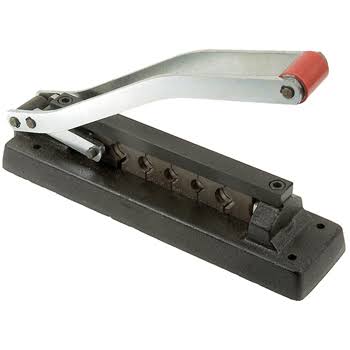
A hose ferrule crimping tool squeezes the ferrule down onto a hose end with even, controlled pressure so the connection doesn’t leak or blow apart under load. It’s one of those pieces of shop equipment that doesn’t look exciting but saves you from a world of headaches later.


Why Hose Connections Fail in the First Place
Most of those failures don’t just happen out of nowhere, not really. They build up over time, usually starting from a crimp that wasn’t quite right to begin with. Maybe the ferrule slipped a little during assembly, maybe nobody caught it, who really knows at that point. But once that hose is back in service and pressure starts cycling through it day after day, whatever weak spot exists gets exposed eventually. I’ve watched guys burn an entire afternoon chasing a leak that, turns out, traced back to one sloppy crimp from weeks before. And that’s the annoying part, the fix was sitting right there the whole time. A decent crimping tool would’ve flagged that inconsistency before the hose even left the bench, but that lesson usually gets learned the hard way.What a Hose Ferrule Crimping Tool Actually Does
The basic idea is simple enough, the tool compresses a metal ferrule around the hose and fitting until you get a tight, permanent seal. Sounds easy on paper. But how it’s done matters way more than people assume going in. The dies inside apply force evenly so the ferrule doesn’t get crushed lopsided or leave little gaps where fluid can creep through over time. Now stack that against hand-crimping, or worse, using some tool that was never built for this job, and the gap is obvious. A real crimper gets you a connection that’s actually rated for the pressure it’s going to face, not something that just looks okay sitting on a bench. That’s usually where DIY hose jobs start going wrong, honestly.