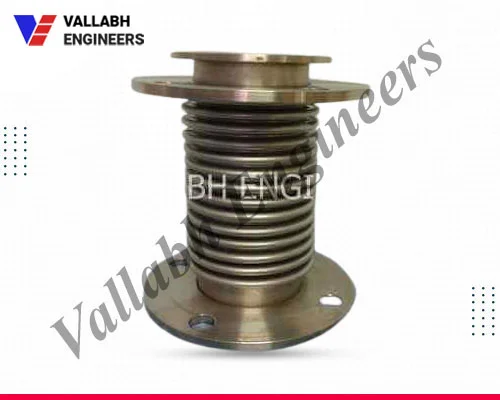
Vallabh Engineers is one of the most prominent Exhaust Bellow Manufacturers In Vadodara. These bellows are designed to control the motion passed along to emission systems by absorbing movements like vibrations, displacements and accommodating thermal expansion.
Learn about exhaust bellow types, benefits, uses, and applications in automotive and industrial systems. Explore solutions by Vallabh Engineers.
Exhaust systems are exposed to high temperatures, engine vibrations, and continuous movement during operation. These conditions can create stress on exhaust pipes and connected components. An exhaust bellow is designed to absorb this movement and provide flexibility to the exhaust system.
Vallabh Engineers offers industrial bellow solutions for different applications and operating requirements. Exhaust bellows are commonly used in automobiles, generators, industrial engines, and heavy machinery to support reliable exhaust system performance.
What Is an Exhaust Bellow?
An exhaust bellow is a flexible metal component installed in an exhaust system to absorb vibration, movement, and thermal expansion. It generally features a corrugated structure that allows it to bend, compress, and expand according to engine movement and temperature changes.
Most industrial exhaust bellows are manufactured using stainless steel or other suitable heat-resistant metal materials. They help reduce stress on exhaust pipes and connected components.
These products are especially useful in applications where engines and exhaust systems experience continuous vibration and high operating temperatures.
How Does an Exhaust Bellow Work?
An exhaust bellow works through its flexible corrugated construction. When an engine operates, it produces vibration and movement that can travel through the exhaust pipes.
At the same time, hot exhaust gases increase the temperature of the exhaust system, causing metal components to expand.
The flexible folds absorb some of this movement and expansion, helping reduce stress on exhaust connections. This also helps minimize the chances of cracks and damage caused by excessive vibration.
For example, in a diesel generator, the engine produces continuous vibration during operation. An appropriately designed exhaust bellow helps accommodate this movement between the engine outlet and exhaust piping.
Common Applications of Exhaust Bellows
Exhaust bellows are used in different industries where engines and exhaust systems experience high temperatures and continuous vibration.
-
Automotive Industry: Installed in vehicle exhaust systems to absorb engine movement and vibration.
-
Diesel Generators: Used to reduce vibration transfer between generator engines and exhaust pipes.
-
Power Plants: Installed in exhaust and flue gas systems.
-
Marine Industry: Used in suitable marine engine exhaust arrangements.
-
Construction Equipment: Applied in heavy machinery such as loaders, excavators, and industrial vehicles.
-
Manufacturing Units: Used in industrial engines and exhaust ventilation systems.
-
Agricultural Machinery: Help accommodate movement in engine exhaust connections.
Benefits of Using an Exhaust Bellow
An appropriately selected exhaust bellow offers several advantages.
1. Vibration Absorption: Helps reduce vibration transferred from engines to connected exhaust pipes.
2. Thermal Expansion Management: Accommodates expansion and contraction caused by high exhaust temperatures.
3. Reduced Mechanical Stress: Helps protect exhaust connections from excessive movement.
4. Equipment Protection: Reduces the risk of damage to connected pipes and components caused by vibration and thermal movement.
5. Flexible Connection: Allows movement between engine outlets and exhaust piping arrangements.
6. Improved System Reliability: Proper selection and installation support dependable exhaust system operation.
How to Choose the Right Exhaust Bellow?
Selecting the correct product is important for performance, safety, and durability. Consider these factors before purchasing:
-
Operating Temperature: Check the maximum exhaust gas temperature.
-
Material: Select a suitable stainless steel grade or heat-resistant alloy.
-
Pressure: Consider the exhaust system’s operating pressure.
-
Dimensions: Check the diameter, length, and connection requirements.
-
Movement: Identify the amount of axial, lateral, and angular movement.
-
Installation Location: Consider the available space and connection arrangement.
-
Exhaust Conditions: Evaluate gas composition, flow conditions, and environmental exposure.
Consulting an experienced manufacturer can help you select a suitable design for your application.
Frequently Asked Questions (FAQs)
1. What is the main purpose of an exhaust bellow?
Its main purpose is to absorb engine vibration, thermal expansion, and movement in exhaust systems.
2. Which material is commonly used for bellows?
Stainless steel is commonly used because it provides strength, flexibility, and resistance to high temperatures and corrosion, depending on the selected grade.
3. Where are bellows used?
They are used in automobiles, diesel generators, marine engines, power plants, construction machinery, and industrial exhaust systems.
4. Can bellows handle high temperatures?
Yes. Specially designed bellows can handle high temperatures when the material and construction are suitable for the operating conditions.
5. What happens if an bellow gets damaged?
A damaged component may cause exhaust leakage, unusual noise, vibration, and additional stress on connected exhaust pipes. It should be inspected and replaced when necessary.
Conclusion
Exhaust bellows play an important role in protecting exhaust systems from vibration, thermal expansion, and mechanical movement. Their flexible construction helps reduce stress on connected components and supports reliable equipment operation.
Vallabh Engineers offers industrial bellow solutions designed for different applications and operating conditions. Choosing the right exhaust bellow can help improve exhaust system performance, equipment protection, and long-term reliability.