Brushless DC Motors: How They Work and Why They Outlast Brushed Designs
Electric motors power many devices used in homes, factories and vehicles. Among the available options, brushless DC motors have become a common choice because they offer efficient operation and long service life. Their design uses electronic controls to manage movement, making them suitable for equipment that runs frequently and requires steady performance over extended periods of use.
What Are Brushless DC Motors?
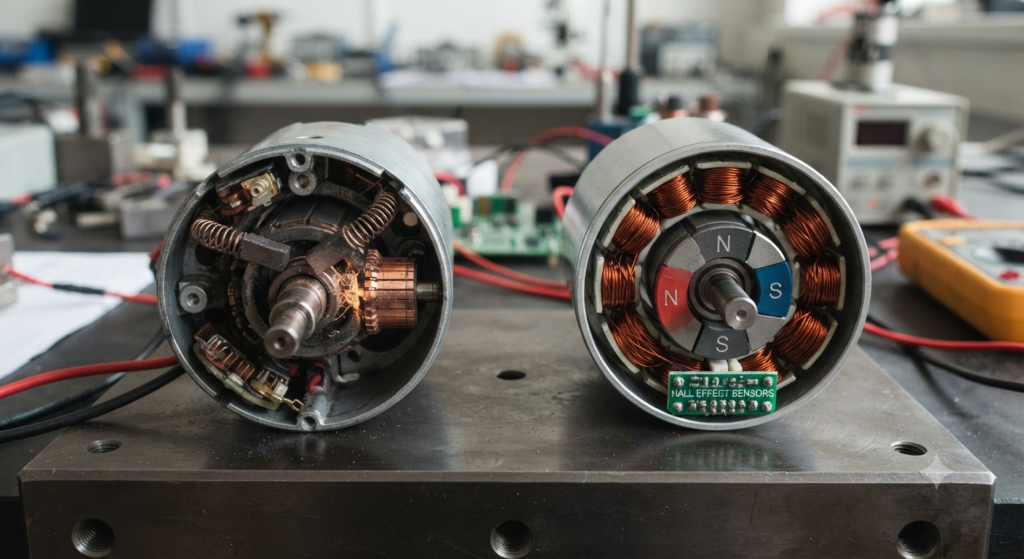
A brushless DC motor converts electrical energy into mechanical movement through magnetic forces. It typically contains a stationary stator with copper windings and a rotating rotor with permanent magnets. These components work together to produce controlled rotation for various applications.
An electronic controller manages the flow of current through the windings. This arrangement allows the motor to operate with precise speed control. Manufacturers use these motors in equipment where energy efficiency, reliable operation and compact size are important considerations.
How Do Brushless DC Motors Work?
The motor operates through electronic switching and magnetic interaction. Its working process involves four main steps:
- Power Supply: A DC power source provides the electrical energy required for operation.
- Electronic Switching: The controller sends current through selected stator windings in a timed sequence.
- Magnetic Interaction: The resulting magnetic fields interact with the rotor magnets to generate torque.
- Continuous Rotation: The controller adjusts the switching sequence to maintain rotation at the required speed.
This process allows the motor to deliver controlled movement across different operating conditions.
Why Do Brushless Motors Last Longer Than Brushed Motors?
Brushless DC motor design supports longer service life by reducing mechanical wear. Several features contribute to their durability:
- Reduced Contact Wear: Electronic commutation replaces the physical brush-and-commutator contact found in brushed motors.
- Lower Friction: The absence of sliding brush contact reduces friction within the motor assembly.
- Less Maintenance: Operators can focus on bearings, cooling and general equipment inspections.
- Efficient Operation: Reduced electrical and mechanical losses can help manage operating temperatures.
Proper cooling, suitable loads and regular maintenance also help these motors achieve their expected service life.
Brushed vs. Brushless Motors: Key Differences
Brushed motors use physical brushes and a commutator to switch current as the rotor turns. Brushless motors use an electronic controller for this function. This difference affects maintenance needs, operating efficiency and how each motor manages electrical switching.
Brushed designs often have a lower initial purchase cost and simpler control arrangements. Brushless designs generally provide higher efficiency, longer service intervals and better speed control. The appropriate choice depends on equipment requirements, operating conditions and available budget.
Where Are Brushless Motors Commonly Used?
Their efficiency and control capabilities make brushless motors useful across several industries. Common applications include:
- Industrial Equipment: Pumps, ventilation fans and automated production machinery.
- Automotive Systems: Electric power steering units and vehicle cooling fans.
- Consumer Electronics: Computer cooling fans and household appliances.
- Power Tools: Cordless drills, saws and other battery-powered equipment.
These applications benefit from consistent motor performance and reduced routine maintenance.
Conclusion
Brushless motors offer an effective way to power equipment that requires steady operation and long service life. Electronic switching reduces contact wear, while efficient energy use supports reliable performance. Their use across industrial, automotive and household equipment shows their versatility. Choosing the right motor and maintaining suitable operating conditions helps users achieve lasting performance.