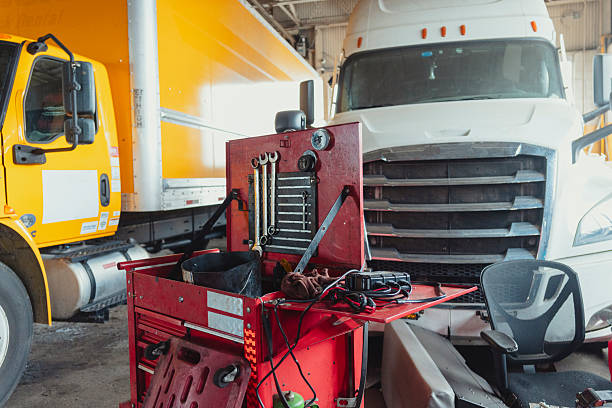
Red metal toolbox packed with wrenches and service tools for heavy commercial vehicle maintenance, organized and ready for efficient workshop repair work in a bright garage
A trailer works hard every mile, carrying heavy loads over rough roads, through weather, and across countless stops. Because it has no engine to complain, small problems often stay hidden until they cause a breakdown, a failed inspection, or an accident. Fleet owners and owner operators searching for a trailer repair shop in West Chicago IL usually learn that catching trouble early is the cheapest maintenance there is. The technicians at Allstate Truck Repair see the same warning signs again and again. Here are the ones worth taking seriously.
Uneven or Rapid Tire Wear
Tires tell a story about everything underneath them. Wear on one edge, scalloped patterns, or tires that wear out faster than expected usually point to misaligned axles, worn bearings, or bent suspension parts. Underinflation and overloading add to the damage. A technician can check alignment, measure tread depth, and inspect hub seals before a blowout leaves you on the shoulder with a damaged fender and a missed delivery.
Brake Problems You Can Feel or Hear
Brakes are the most critical safety system on any trailer. Grinding, squealing, pulling to one side, a long stopping distance, or a brake light that stays lit on the dash are all reasons to book an inspection immediately. Air systems may leak, slack adjusters can drift out of adjustment, and linings wear thin faster under heavy loads. Regular brake service keeps the trailer within legal limits and protects everyone on the road.
Lighting and Electrical Faults
Dead or Flickering Lights
Brake, turn, and marker lights are required for safety and inspections. Flickering usually comes from corroded plugs, damaged wiring, or poor grounds.
Why Electrical Issues Spread
Moisture and road salt creep into connectors over time. A small fault can grow into several failed circuits, so repairing wiring early prevents repeat visits and roadside citations.
Floor, Frame, and Door Damage
Soft spots in the floor, rust along the frame, cracked welds, and doors that no longer close properly are signs that the structure is under stress. Water leaks can ruin cargo and weaken the floor from the inside. Repairs may include welding, panel replacement, new door seals, and rust treatment. Catching these issues early is far cheaper than replacing a whole section, and it keeps your cargo safe and dry.
Suspension and Coupling Trouble
A trailer that sways, leans to one side, or bounces more than usual likely has worn springs, bushings, or shock absorbers. Problems with the kingpin, fifth wheel connection, landing gear, or hitch can be even more dangerous because they affect how the trailer attaches to the tractor. Listen for clunks during turns and check that landing gear raises and lowers smoothly. Professional inspection ensures every connection point is secure and within specification.
Quick Guide: Symptom, Likely Cause, and Urgency
This table helps you decide how quickly to act when you spot a problem at a trailer repair shop in West Chicago IL or on the road.
| Symptom | Likely Cause | How Soon to Act |
|---|---|---|
| Grinding or weak brakes | Worn linings, air leaks, bad adjustment | Immediately |
| Uneven tire wear | Alignment or suspension problems | Within days |
| Flickering or dead lights | Corroded plugs or damaged wiring | Before the next trip |
| Soft floor or frame rust | Water damage or structural fatigue | Schedule soon |
How to Choose the Right Shop
Experience With Your Equipment
Look for a team that works on the type of trailer you run, whether dry van, reefer, flatbed, or tanker. Experienced technicians know the common failures and have the tools to fix them correctly.
Clear Estimates and Honest Advice
A trustworthy shop explains findings in plain language, shows the worn parts, and separates urgent repairs from items that can wait. Written estimates prevent surprises.
Turnaround and Support
Downtime costs money, so ask about typical turnaround, parts availability, and warranty. Mobile service and flexible scheduling can keep your trailer earning.
Conclusion
Trailers rarely fail without warning. Tire wear, brake changes, flickering lights, and structural damage are all signals worth acting on. Build a regular inspection routine, fix small problems early, and keep detailed records. When you need professional help, contact a dependable Trailer repair shop in West Chicago IL and book an inspection before the next long haul.
Frequently Asked Questions
How often should a trailer be inspected?
Many fleets inspect before every trip and schedule a full service several times a year. Heavy use or rough routes call for more frequent checks. Daily walkarounds catch obvious issues early. A professional inspection finds problems that are hard to see.
Can trailer repairs be done on site?
Some repairs such as lighting, tires, and minor brake adjustments can be done by mobile technicians. Major welding or structural work usually requires a shop. Ask whether your provider offers both options. Mobile service reduces downtime for busy operators.
What records should I keep?
Keep invoices, inspection reports, and a log of repairs and parts replaced. These records help with warranties and compliance checks. They also raise resale value. A simple folder or digital file is enough.
How can I reduce repair costs over time?
Preventive maintenance is the best way to lower costs. Keep tires properly inflated, grease moving parts, and fix leaks early. Avoid overloading beyond the rated limit. Small, regular repairs cost far less than emergency breakdowns.