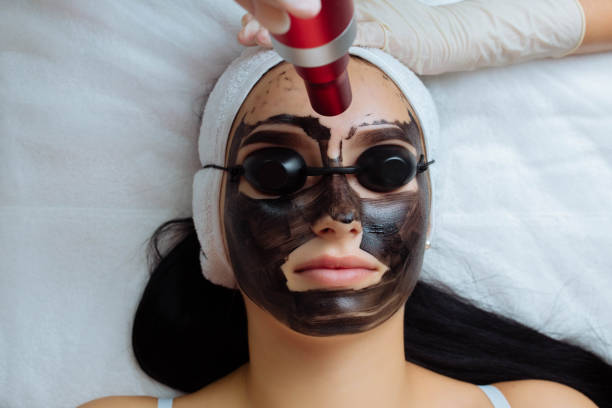
Acne can be frustrating, especially when recurring blemishes affect daily confidence. Laser Carbon Peel in Abu Dhabi is a skin treatment that may help reduce excess oil, clear clogged pores, and improve the appearance of acne-prone skin. Its results vary from person to person, and it is best understood as one possible part of a broader approach to managing breakouts—not a guaranteed cure.
What Is a Laser Carbon Peel?
A laser carbon peel combines a thin layer of carbon applied to the skin with laser energy. The carbon settles over the skin’s surface and within pores. As the laser passes over the area, it targets the carbon, helping lift away surface debris and excess oil.
The treatment is generally chosen by people looking for a non-invasive way to refresh oily or congested skin. A qualified skincare professional can assess whether it suits an individual’s skin type, concerns, and acne pattern.
How Might It Help With Acne?
Acne often develops when pores become blocked with oil and dead skin cells. Bacteria and inflammation may also contribute. By helping remove surface buildup and reduce excess oil, a carbon peel may make the skin look clearer and less congested.
Supporting Clearer-Looking Pores
The carbon layer can collect impurities from the skin’s surface. When the laser targets it, the process may help loosen and remove some of that buildup, leaving pores looking cleaner. This may be especially appealing to people who experience oily skin or visible congestion.
Addressing Excess Oil
Excess sebum can contribute to a shiny appearance and may play a role in blocked pores. Laser energy may temporarily reduce surface oiliness for some people. This can help the complexion look more balanced, although it does not stop the skin from producing oil altogether.
Improving Skin Texture
Congested skin may appear uneven or dull. A peel can gently refresh the surface, which may leave the complexion feeling smoother and looking more radiant. Texture improvements may occur gradually, depending on the skin’s condition and treatment plan.
Which Types of Acne May Respond?
A carbon peel may be considered for mild acne, oily skin, and blackheads or other forms of surface congestion. It is not necessarily suitable for every type of breakout. Deeper, painful, or persistent acne may need a different approach, since a surface-focused treatment may not address its underlying causes.
A professional assessment can help distinguish between occasional blemishes, ongoing acne, and other skin concerns that may look similar. It can also help determine whether the treatment should be used alone or alongside another appropriate plan.
What Happens During a Session?
Before treatment, the skin is usually cleansed, and a thin carbon layer is applied. After it has settled, a laser is passed over the treatment area. The session is typically designed to refresh the skin without surgery or extensive preparation.
The exact process can differ based on the treatment area, the person’s skin, and the equipment being used. The professional should explain what the session involves and what kind of results are realistic before it begins.
How Many Sessions May Be Needed?
Some people notice a refreshed appearance after one session, while others may need a series to address recurring congestion or oiliness. The number and timing of sessions depend on individual skin needs and the professional’s assessment.
Acne can fluctuate over time, so results may not be permanent. Changes in hormones, stress, skin habits, and other factors can contribute to new breakouts even after the skin has improved.
Who May Be a Suitable Candidate?
People with oily or congested skin and mild breakouts may wish to ask whether a carbon peel could suit them. Suitability depends on skin sensitivity, current concerns, previous treatments, and personal health factors.
A consultation helps set clear expectations and identify whether another acne-management option may be more appropriate. Someone with active, severe, or persistent acne should seek a professional evaluation rather than relying on a cosmetic peel alone.
What Results Can Someone Realistically Expect?
A carbon peel may help the skin look less oily, smoother, and clearer, particularly when surface congestion is a main concern. Improvements are generally gradual and can vary. The treatment may support acne management, but it cannot guarantee that breakouts will stop or that acne marks will disappear.
Realistic expectations matter. A professional can explain which changes are possible for the person’s skin and how progress can be reviewed over time.
Frequently Asked Questions
Can a Laser Carbon Peel Prevent All Breakouts?
No. It may help with oiliness and surface congestion, but acne has several possible causes. New blemishes can still appear, and results differ between individuals.
Is It Only for People With Acne?
No. People may also consider it for oily-looking skin, visible pores, or a dull complexion. An assessment can help clarify whether it matches their main concern.
Can It Help With Acne Marks?
The treatment may improve overall texture and radiance, but acne marks vary in type and depth. A professional can explain whether a carbon peel is likely to help or whether another option may be more suitable.
Is a Consultation Important?
Yes. A consultation allows a professional to review the skin, discuss acne history, and determine whether the treatment is appropriate. It also provides an opportunity to understand likely results and the recommended treatment plan.
Final Thoughts
Laser carbon peels may help some people manage oily, congested, acne-prone skin by refreshing the surface and reducing the appearance of excess oil. The treatment is not a universal solution, and its effectiveness depends on the person’s skin and the type of acne involved. A professional assessment can guide expectations and help identify an approach suited to the individual.