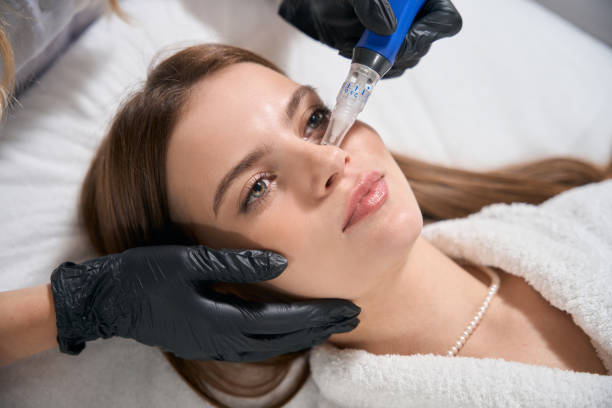
Scars can affect the appearance and texture of the skin, sometimes making individuals feel less confident about their complexion. Whether caused by acne, previous skin injuries, or other skin concerns, scars may remain visible long after the original skin problem has healed. Microneedling has become a popular skin-rejuvenation approach for improving uneven texture and reducing the visibility of certain types of scars. With Microneedling in Abu Dhabi, individuals can explore a treatment designed to encourage the skin’s natural renewal process and support collagen production. By creating controlled micro-injuries in the skin, this technique stimulates natural repair mechanisms that can gradually improve skin texture, smoothness, and overall appearance.
Understanding How Microneedling Works
Microneedling is a minimally invasive cosmetic procedure that uses a specialized device equipped with fine, sterile needles to create tiny controlled punctures in the skin. These microchannels activate the body’s natural healing response, encouraging collagen and elastin production. Both proteins play important roles in maintaining skin structure, firmness, and elasticity.
As the skin begins its natural repair process, new collagen formation can gradually improve the appearance of uneven areas. This makes microneedling particularly relevant for individuals concerned about certain types of acne scars, shallow depressions, and irregular skin texture. Rather than removing the outer layer of skin, the treatment works by stimulating renewal within the targeted skin layers.
The procedure can be adjusted according to individual skin concerns, scar characteristics, and treatment goals. This personalized approach helps determine the appropriate technique and depth for addressing specific areas.
Can Microneedling Reduce the Appearance of Acne Scars?
Acne scars are among the common skin concerns that microneedling may help improve. Some acne scars create small depressions or uneven areas that affect the natural smoothness of the skin. These changes can develop when inflammation associated with acne affects the skin’s underlying collagen structure.
Microneedling encourages collagen remodeling, which may gradually improve the appearance of certain depressed acne scars. As new collagen develops, the skin can become smoother and more even in texture. This improvement is generally progressive rather than immediate, as the skin requires time to produce and reorganize collagen.
The effectiveness of treatment depends on the type, depth, and severity of the scars. Shallow atrophic scars may respond more favorably than deeper or more extensive scarring. Different scar patterns can also require different treatment approaches. A proper skin assessment helps determine whether microneedling is suitable and what level of improvement may be realistic.
How Does Collagen Production Improve Scar Texture?
Collagen is an essential structural protein that helps maintain the skin’s strength and smooth appearance. When scars develop, the normal arrangement of collagen fibers may become disrupted, resulting in uneven surfaces, depressions, or changes in skin texture.
Microneedling stimulates the skin’s natural healing response by creating controlled microchannels. This process encourages the production of new collagen and supports gradual tissue remodeling. As the skin regenerates, the treated area may develop a more balanced texture and improved surface appearance.
The gradual nature of collagen production explains why improvements usually become more noticeable over time. The skin needs sufficient time to respond to treatment and develop new structural support. With an appropriate treatment plan, repeated sessions may help build upon earlier improvements and create more consistent results.
Which Types of Scars Can Benefit From Microneedling?
Microneedling is commonly considered for certain types of atrophic acne scars, which appear as small depressions in the skin. These include rolling scars, which create a wavy appearance, and some boxcar scars, which have more defined edges and shallow depressions. Treatment may help improve their appearance by encouraging collagen development beneath the skin’s surface.
Some individuals also explore microneedling for minor textural irregularities associated with previous skin injuries. However, not every scar responds in the same way. Raised scars, such as hypertrophic scars and keloids, have different structural characteristics and generally require alternative treatment considerations.
Scar age, depth, location, and surrounding skin condition can all influence treatment suitability. Understanding these differences is important because the most appropriate approach depends on the specific characteristics of the scar rather than simply its visibility.
What Should You Expect During Microneedling Treatment?
The treatment process generally begins with a detailed skin assessment to identify the areas of concern and understand the characteristics of the scars. The skin is examined to determine its condition, texture, and suitability for the procedure. Based on this evaluation, an appropriate treatment plan is established.
Before the procedure, the targeted area is cleansed and prepared. A topical numbing product may be used to improve comfort, depending on the treatment approach. The microneedling device is then moved carefully across the selected area, creating controlled microchannels in the skin.
The duration of the session depends on the size of the treatment area and the extent of the scarring. After the procedure, specific skincare instructions are provided to support the skin’s recovery and natural renewal process. Understanding each stage can help individuals feel more prepared and develop realistic expectations about their treatment experience.
How Many Microneedling Sessions Are Needed for Scars?
The number of sessions required depends on several factors, including scar depth, skin condition, treatment intensity, and desired improvement. Individuals with mild textural irregularities may require a different treatment schedule from those with more noticeable acne scarring.
Microneedling is often performed as a series of sessions separated by appropriate intervals. This allows the skin to complete its natural healing and collagen-building process before another treatment is performed. Repeated sessions may gradually improve the appearance of scars and create a smoother skin surface.
It is important to understand that every individual responds differently. Some scars may become less noticeable after a few sessions, while deeper or more established scars may require a longer treatment plan or a combination of suitable procedures. A personalized assessment helps establish realistic expectations.
When Can You Notice Improvements in Scar Appearance?
Microneedling does not produce immediate scar removal because its primary purpose is to stimulate the skin’s natural repair mechanisms. Initial changes may be subtle, while more noticeable improvements can develop as collagen production and tissue remodeling progress.
The timeline varies according to the individual’s healing response, the type of scars being treated, and the number of sessions completed. Some people may notice improvements in skin texture over several weeks, while continued changes can develop over subsequent months.
Consistency and appropriate treatment intervals are important for achieving gradual improvements. Evaluating the skin after sufficient recovery time provides a clearer understanding of the treatment’s effectiveness. The goal is to make scars less noticeable and improve the overall smoothness of the treated area rather than promise completely scar-free skin.
Is Microneedling Suitable for Every Skin Type?
Microneedling can be considered for different skin types, but suitability depends on individual skin characteristics and the condition being treated. Factors such as active acne, existing skin irritation, pigmentation concerns, and the nature of the scars should be evaluated before beginning treatment.
Individuals with certain skin conditions may need an alternative approach or additional assessment before proceeding. Treatment settings should also be adjusted according to skin sensitivity and the targeted area. This helps ensure that the procedure is appropriate for the individual’s specific needs.
A professional evaluation is essential for identifying suitable candidates and determining whether microneedling alone can address the concern. In some cases, combining different skin-rejuvenation techniques may provide a more comprehensive approach to improving scar appearance.
Final Thoughts
Microneedling can be a useful option for improving the appearance of certain scars, particularly depressed acne scars and uneven skin texture. By stimulating collagen production and supporting the skin’s natural renewal process, the treatment may gradually create a smoother, more balanced complexion. However, the degree of improvement depends on scar type, depth, skin condition, and individual response.
Understanding how the procedure works, what happens during a session, and how results develop over time can help individuals make informed decisions. With an appropriate treatment plan and realistic expectations, microneedling may support healthier-looking skin and make certain scars less noticeable.
FAQs
Can microneedling completely remove acne scars?
Microneedling can reduce the appearance of certain acne scars, but complete scar removal cannot be guaranteed.
How does microneedling improve scar texture?
It stimulates collagen production and natural skin renewal, which can gradually improve uneven texture and shallow depressions.
How many sessions are needed for scar improvement?
The number varies according to scar depth, skin condition, and individual treatment goals.
Is microneedling effective for old scars?
It may improve the appearance of some older scars, depending on their type, depth, and characteristics.
When do microneedling results become visible?
Improvements generally develop gradually over several weeks and months as collagen production and skin remodeling progress.