Few things rattle a driver like a trailer that will not hold air at the worst possible moment. Brake trouble rarely announces itself loudly, and small clues often get brushed aside until a roadside inspection or a close call forces the issue. Shops such as JMaster Trailer Repair see the same patterns week after week, and most of them are preventable. This article explains the early signs, the usual causes, and why timely air system repair in San Antonio TX protects your cargo, your schedule, and everyone sharing the road.
How a Trailer Air System Actually Works
The Supply Side
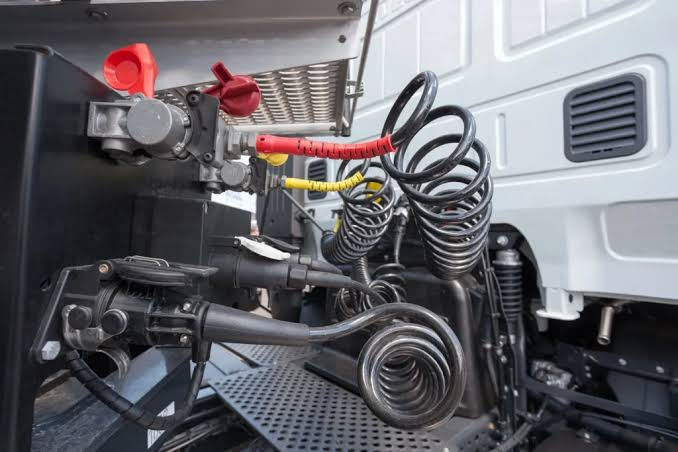
Air is produced by the tractor’s compressor, cleaned by the air dryer, and stored in reservoirs until it is needed. It reaches the trailer through supply lines and glad hands. If any link in that chain leaks or carries moisture, pressure suffers across the whole setup, not just in one spot.
The Delivery Side
Relay valves, brake chambers, slack adjusters, and brake components turn stored pressure into stopping power. These parts live with heat, road grit, salt, and constant vibration, so they wear out in fairly predictable ways. Knowing that pattern is what lets a good technician catch trouble early.
Early Warning Signs Worth Taking Seriously
Drivers usually notice something before a failure happens. The table below pairs the most common symptoms with what is typically behind them and what to do next.
| What You Notice | Common Cause | Recommended Action |
|---|---|---|
| Hissing sound after parking | Leaking hose, fitting, or valve | Inspect lines and replace damaged parts |
| Slow pressure build-up | Worn compressor or a sizable leak | Test build-up rate and trace the leak |
| Brakes dragging or sticking | Contaminated valve or seized components | Clean or replace the affected parts |
| Low pressure warning | Leak in a reservoir or line | Stop and have it checked before driving on |
| Water in the air tanks | Failing air dryer | Drain tanks and service the dryer |
None of these should be treated as a minor annoyance. A leak that seems small in the yard can grow quickly under load on the highway.
Why Air Systems Break Down
Moisture and Contamination
Water and oil are the quiet enemies of any air brake setup. Moisture corrodes valves and reservoirs, and in cooler weather it can freeze inside lines. A tired air dryer lets this happen, which is why dryer service deserves a regular place on the maintenance calendar.
Vibration and Wear
Miles of rough pavement loosen fittings, crack hoses, and wear down rubber seals. Gladhand gaskets and brake chamber diaphragms are common casualties. Parts that look fine at a glance can still be close to failing, which is why a hands-on inspection beats a quick visual check.
Skipped Maintenance
Most serious failures trace back to missed service. Draining tanks, checking slack adjuster travel, and testing for leaks take little time compared with the cost of a breakdown. Fleets that follow a steady schedule almost always spend less on emergency work.
What a Professional Inspection Involves
A thorough visit goes well beyond listening for leaks. A qualified technician checks pressure build-up and leak-down rates, examines hoses and fittings, tests valves, measures brake stroke, and looks over the dryer and reservoirs. Quality air system repair in San Antonio TX also includes a clear explanation of what was found, which parts need attention now, and which can wait. That honesty is a strong sign of an experienced shop, and it helps you plan repairs around your delivery schedule instead of reacting to surprises.
Repair or Replace: Making the Smart Call
When Repair Is Enough
Many problems are fixed with a new hose, a fresh gasket, a rebuilt valve, or a replaced fitting. When the surrounding components are in good shape, a targeted repair restores reliability at a fraction of the cost of a bigger overhaul.
When Replacement Pays Off
If a part keeps failing, shows heavy corrosion, or has reached the end of its service life, replacing it is cheaper in the long run. Repeated repairs on worn-out components add up, and the downtime costs more than most owners expect.
Choosing a Shop You Can Trust
Look for a shop that specializes in trailers and understands heavy-duty braking, not just general mechanical work. Ask about technician training, parts quality, and warranty terms on both parts and labor. Read recent reviews, and pay attention to how the team communicates during the estimate. Reliable air system repair in San Antonio TX should come with clear pricing, honest timelines, and a technician who is willing to show you the worn parts they replaced. Local experience also matters, because heat, dust, and long hauls put particular stress on equipment in this region.
Final Thoughts
Air brake trouble almost always gives warnings before it becomes a failure. Listen for leaks, watch your pressure gauges, keep up with dryer and tank maintenance, and act quickly when something feels off. When you are ready for dependable Air system repair in San Antonio TX, choose a team that explains the work clearly and stands behind it.
Frequently Asked Questions
How often should a trailer air system be inspected?
A basic check should happen before every trip, including a walk-around and a leak listen. A full professional inspection is usually recommended at regular service intervals or at least once a year. Heavy-use fleets may need it more often. Following a schedule catches small issues before they become expensive.
Is a small air leak really a big deal?
Yes, it can be. Small leaks force the compressor to work harder and can grow without warning. They also reduce the reserve pressure your brakes depend on. Fixing a leak early is almost always cheaper than waiting for a failure.
Why does my trailer lose pressure overnight?
The most common reasons are leaking hoses, worn gaskets, or faulty valves. Some pressure drop is normal, but a fast drop signals a problem. A technician can run a leak-down test to find the exact source. Do not drive until the cause is confirmed.
Can moisture in the air tanks cause brake failure?
It can contribute to one. Water corrodes internal parts and can freeze in cold conditions, blocking airflow. Draining the tanks regularly helps a great deal. If water keeps returning, the air dryer likely needs service.