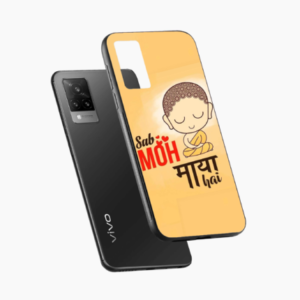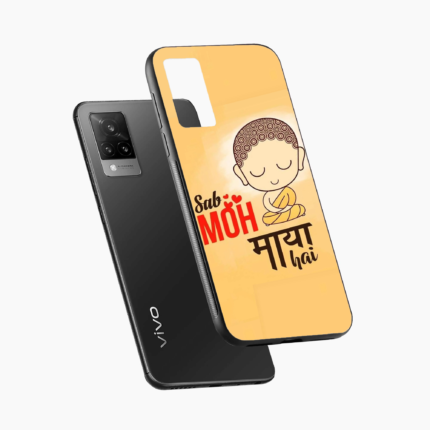
The Vivo V11, known for its halo FullView AMOLED display and in-display fingerprint sensor, remains in active use across India years after its original launch. For anyone shopping for a new back cover in 2026, understanding a few basics about materials and fit makes the whole process considerably less confusing — and helps avoid wasting money on a case that looks fine in photos but fails to actually protect the phone.
Material Basics, Explained Simply
Polycarbonate (PC) is the rigid, lightweight plastic most printed case shells are made from. It holds fine detail and colour well, keeping printed designs looking sharp for a long time, but on its own it can crack under a sharp, direct impact rather than absorbing the shock.
Thermoplastic Polyurethane (TPU) is a flexible, rubber-like material that compresses on impact instead of shattering, which makes it the better standalone choice for pure drop protection — though on its own it usually looks fairly plain compared to a printed design.
Hybrid cases, which combine a hard printed PC shell with a soft TPU edge or full inner lining, strike the best overall balance for a glass-backed phone like the V11: a distinctive printed design on the outside, and genuine shock absorption exactly where it’s needed most, along the corners and edges.

Why Camera Cutout Fit Matters So Much
The V11’s dual-lens rear camera sits in a specific vertical arrangement near the top-left corner of the back panel, distinct from the V11 Pro and other Vivo phones released around the same period. A case marketed generically for “Vivo” phones, without naming the V11 specifically, carries a real risk of a misaligned cutout — one that either exposes the lens edges to knocks and dust, or in worse cases, presses directly against the camera glass itself.
Always confirm that a listing explicitly names the Vivo V11, and check product photos for a tight, clean cutout that matches the camera’s actual position.
Evaluating a Listing Before You Buy
A few practical signals are worth checking, regardless of which retailer you’re browsing:
- Multiple product photos, including a straight-on shot of the camera cutout, generally indicate a listing built around genuine product photography rather than a stock or placeholder image.
- Consistent pricing in the ₹250–₹400 range for printed hybrid covers on phones of the V11’s generation; prices notably outside this band in either direction are worth a closer look.
- Catalogue depth and freshness, since sellers actively maintaining dozens of regularly updated designs for one specific model tend to have manufacturing processes genuinely tuned to that phone’s exact dimensions.
CaseTru’s Vivo V11 collection reflects these signals reasonably well — a wide range of hybrid-construction designs at a consistent ₹299, with top-selling designs flagged directly on the listing.
Common Design Categories for This Model
Across most Indian accessory retailers, Vivo V11 case designs tend to cluster into a handful of recurring categories: devotional and spiritual art, minimalist aesthetic patterns, travel and city-themed prints, and short text-based motivational designs. Knowing which category genuinely appeals to you before you start browsing saves a meaningful amount of scrolling.

A Simple Decision Framework
If protection is your main priority, favour hybrid construction with a well-fitted, raised camera cutout over any particular print. If personal style matters more, browse by design category first, then apply the fit and material checks described above before finalizing your choice. And if you’re shopping for someone else, a devotional or minimalist aesthetic design remains the safest general-purpose gift.
Conclusion
A back cover is a small purchase relative to the phone itself, but for a device as design-conscious as the Vivo V11, it’s one of the few accessories that genuinely affects both how well the phone survives daily use and how much you enjoy using it. Understanding the difference between case materials, insisting on model-specific camera cutout fit, and knowing how to spot a trustworthy listing will make the whole process considerably less frustrating.
Thinking Beyond the First Purchase
Most phone owners end up buying more than one case over the life of a device — tastes change, cases wear out, and sometimes a new one is simply bought on impulse during a sale. Because of this, it’s worth treating the first purchase less as a single, perfect decision and more as the start of an ongoing relationship with a seller whose catalogue, pricing, and fit quality you’ve now had a chance to evaluate firsthand. A seller who gets the fit and material right the first time is generally worth returning to for future purchases, rather than restarting the research process from scratch every time a new design catches your eye.
A Quick Word on Colour Accuracy
Screen displays can render colours slightly differently from how a printed case actually looks in hand, particularly with darker or more saturated designs. Where possible, checking a listing’s customer photos rather than relying solely on the official product images gives a more accurate sense of true colour and finish before committing to a purchase.