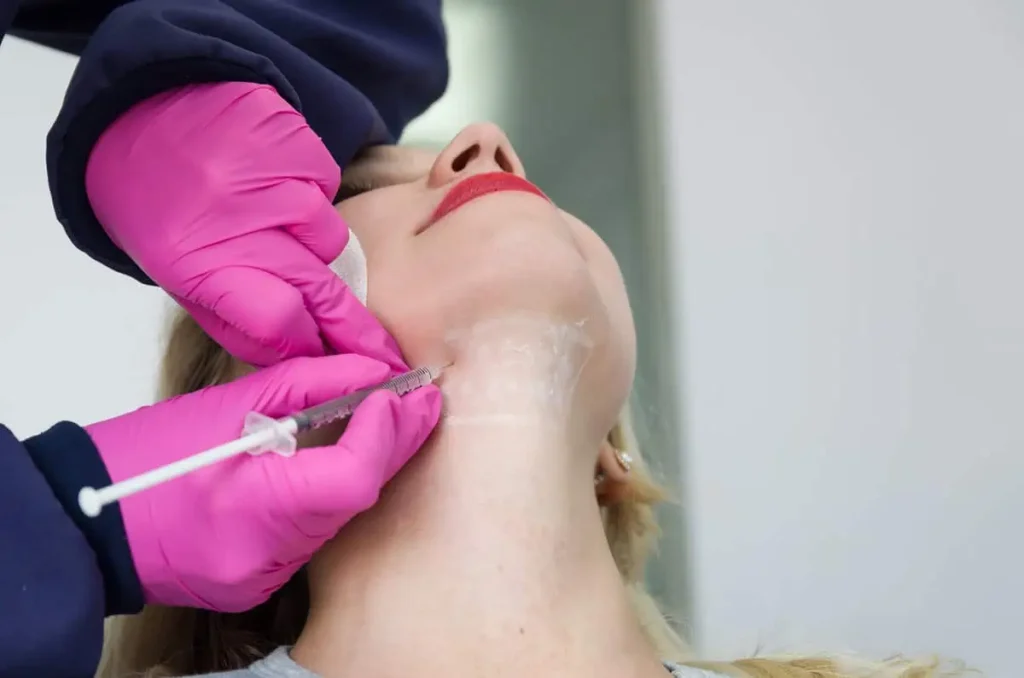
A double chin treatment can help reduce stubborn fat beneath the chin, but the recovery process may involve swelling, tenderness, bruising, and gradual changes in appearance. If you are researching kybella san ramon, understanding the recovery timeline can help you plan your appointments, work schedule, and aftercare with realistic expectations. This 2026 guide explains what may happen day by day after Kybella injections, how to care for the treated area, and which symptoms deserve medical attention.
How Kybella Works to Reduce a Double Chin
Kybella is an injectable prescription treatment containing deoxycholic acid, a substance that helps break down dietary fat in the digestive system and can destroy fat cells when injected into the fat beneath the chin. The body gradually clears the damaged cells, helping reduce fullness in the treated area.
Unlike a surgical procedure, Kybella does not require incisions or general anesthesia. However, it is not a treatment with instant visible results. The body’s inflammatory response and natural healing process mean that the chin may temporarily look fuller before it begins to appear more defined.
According to the FDA-approved prescribing information, Kybella is intended for adults with moderate to severe fullness associated with submental fat. Treatment suitability depends on the amount of fat present, skin quality, anatomy, medical history, and individual goals.
It is also important to understand that Kybella targets fat, not loose skin or every possible cause of a less-defined jawline. A qualified healthcare professional can help determine whether it is an appropriate option.
Day-by-Day Recovery After Double Chin Injections
Recovery varies from person to person. The number of injections, treatment area, individual response, and whether this is an initial or subsequent session can all affect the experience. The following timeline is a general guide, not a guarantee that symptoms will follow a particular schedule.
Day 1: Swelling and Tenderness Begin
On the first day, the area beneath the chin may feel tender, warm, swollen, or slightly firm. Small bruises, redness, and temporary numbness around injection sites are also possible.
Swelling can make the double chin look more noticeable immediately after treatment. This is a common source of concern, but it does not necessarily mean the procedure has failed.
Follow the treating professional’s aftercare instructions. If cold compresses are recommended, use them as directed and avoid placing ice directly on the skin. Keep the area clean and avoid rubbing, massaging, or applying unapproved products to the injection sites.
If you have an important event, remember that your appearance may change over the coming days. Scheduling treatment well before a major occasion is generally more practical than expecting an immediate improvement.
Day 2: Swelling May Become More Noticeable
The second day can be challenging because swelling may increase or remain prominent. Some people notice puffiness beneath the jaw, tenderness when turning the head, or a feeling of fullness when touching the treated area.
Bruising may also become easier to see. These effects are consistent with the local inflammatory response associated with the treatment.
Prioritize rest, hydration, and gentle daily activities as tolerated. Avoid strenuous exercise if your provider recommends limiting it during early recovery. Do not take extra medication or supplements to manage bruising without checking whether they are appropriate for you.
Important: Do not assume that all swelling is harmless. Difficulty swallowing, facial muscle weakness, or rapidly worsening symptoms require prompt medical assessment rather than routine aftercare.
Day 3: Bruising, Firmness, or Numbness May Persist
By the third day, some people begin to feel more comfortable, while others continue to experience noticeable swelling. Small areas of firmness or temporary reduced sensation can also occur.
The treated area may feel uneven when touched. This does not automatically indicate a poor result, because the tissue is still responding to the injections.
Continue following your personalized instructions. Avoid repeatedly pressing the chin to check for changes, as this can irritate the area. If a lump becomes increasingly painful, the skin develops an unusual color change, or symptoms worsen instead of settling, contact your provider.
There is no need to judge the treatment’s effectiveness at this stage. The visible changes caused by swelling can obscure any early reduction in fullness.
Days 4–5: Early Changes May Become Easier to Manage
During the fourth and fifth days, some patients notice that the initial discomfort is easing. Others still have swelling, bruising, tenderness, or firmness beneath the chin.
The degree of improvement depends on your body’s response. It is possible to feel better before the swelling has visibly resolved, so comfort alone is not a reliable indicator of the final cosmetic outcome.
If you work in an office or have a flexible schedule, you may be able to resume normal activities according to your provider’s guidance. However, jobs involving strenuous physical work or frequent public appearances may require more planning.
Keep following any restrictions provided by your clinician. Avoid using compression garments, facial tools, or home remedies unless specifically recommended for your treatment.
Days 6–7: Assess Comfort, Not Final Results
At the end of the first week, some people experience a noticeable reduction in swelling and bruising. Others may still have a visibly puffy chin or areas of firmness.
A gradual return toward your usual appearance is encouraging, but complete resolution within seven days is not guaranteed. The official prescribing information identifies swelling, bruising, pain, numbness, redness, and firmness as common treatment-related reactions. Some may last longer than a week.
If you take progress photographs, use similar lighting, camera angles, and head positions. This makes comparisons more meaningful than checking your reflection under different conditions throughout the day.
Do not arrange another injection session simply because you cannot yet see a difference. Your provider needs to assess healing and determine when another treatment, if needed, is appropriate.
Days 8–14: Healing Continues
During the second week, swelling may continue to settle, and bruises may fade. However, residual tenderness, numbness, or small firm areas can remain.
You might begin to notice a subtle change in the contour beneath your chin, but it can be too early to assess the full effect. Inflammation may still affect how the area looks and feels.
If the treated area is steadily improving, continue with your usual skincare routine only as permitted by your clinician. Avoid aggressive exfoliation or other irritating treatments near the injection sites until the area has adequately recovered.
Persistent or worsening symptoms should not be dismissed as part of the normal timeline. Contact your provider if you develop a new lump, increasing redness, warmth, drainage, skin breakdown, or continuing pain.
Weeks 3–4: Monitor the Overall Recovery
By the third and fourth weeks, many patients find that the most noticeable early treatment reactions have improved. The chin may begin to look more natural as swelling decreases.
Nevertheless, recovery is individual. Some people may continue to notice numbness, firmness, or other changes, and any prolonged symptoms should be discussed with the treating professional.
This period is useful for reviewing photographs and discussing progress at a follow-up appointment. Your clinician can assess the remaining submental fat, skin appearance, and whether the response is consistent with the treatment plan.
Do not use a single photograph or a particular recovery day as proof that you need more injections. An additional session should be based on a professional assessment after sufficient healing.
Weeks 5–6 and Beyond: Evaluate Visible Results
The effects of Kybella develop gradually rather than appearing immediately. Over several weeks, the body clears damaged fat cells, and changes in the chin’s contour may become more apparent.
Some patients may see meaningful improvement after an initial treatment, while others need several sessions. The amount of change depends on the starting amount of fat, individual anatomy, treatment plan, and response.
The FDA-approved regimen allows up to six treatment sessions, with at least one month between sessions. This is a maximum, not a recommendation that everyone needs six sessions. Your clinician should determine whether further treatment is appropriate.
Results are best evaluated after the swelling has sufficiently resolved and the treatment has had time to work. If the remaining concern is primarily loose skin rather than fat, additional Kybella injections may not address the underlying issue.
Kybella Recovery Timeline at a Glance
The table below summarizes common experiences and useful actions during recovery. Individual timelines vary, and symptoms do not always follow a predictable pattern.
| Recovery period | What you may notice | Practical approach |
|---|---|---|
| Day 1 | Tenderness, swelling, redness | Follow aftercare instructions and avoid rubbing the area |
| Days 2–3 | Prominent swelling, bruising, firmness, or numbness | Rest as needed and monitor for warning signs |
| Days 4–7 | Symptoms may begin easing, but swelling can persist | Resume activities according to clinical guidance |
| Days 8–14 | Bruising may fade; residual firmness or numbness is possible | Continue gentle care and report worsening symptoms |
| Weeks 3–4 | Gradual recovery and possible early contour changes | Review progress with your provider |
| Weeks 5–6 and beyond | Results may become more apparent | Discuss whether another session is appropriate |
Remember that this is a general guide rather than a strict schedule. If your symptoms differ from the expected pattern or are getting worse, seek advice rather than waiting for the next milestone.
Essential Aftercare Tips for a Smoother Recovery
Although Kybella does not involve surgical incisions, proper aftercare matters. The goal is to support healing, reduce avoidable irritation, and recognize complications early.
Follow Your Provider’s Instructions
Your healthcare professional should explain how to care for the treated area and which activities to avoid. Instructions may differ depending on your treatment plan and medical history.
Do not massage the chin or use facial rollers, gua sha tools, or other devices unless your clinician specifically approves them. These methods have not been established as necessary for successful Kybella recovery.
Be Careful With Medications and Supplements
Some medicines and supplements can increase bruising or bleeding. Tell your provider about prescription medications, over-the-counter products, vitamins, and herbal supplements before treatment.
Never stop prescribed blood thinners or other medication on your own. Ask the prescribing clinician whether any adjustments are appropriate.
Plan Exercise and Social Activities Sensibly
Light daily activities may be comfortable soon after treatment, but strenuous workouts can be inconvenient while swelling and tenderness are prominent. Ask your provider when to resume your usual exercise routine.
If your work involves frequent video calls, public speaking, or customer-facing responsibilities, consider allowing extra recovery time. There is no reliable way to guarantee that visible swelling will disappear within a particular number of days.
Track Changes Without Obsessing Over Them
Take a photograph before treatment and repeat it periodically using consistent lighting and positioning. This can help you and your provider evaluate changes more objectively.
Avoid judging results several times a day. Temporary swelling can distort the chin’s appearance, making frequent comparisons misleading.
When Should You Contact Your Healthcare Provider?
Most common treatment reactions are temporary, but Kybella carries risks that require attention. The FDA prescribing information identifies specific complications that patients should understand before treatment.
Contact your provider promptly if you experience:
-
Difficulty swallowing, particularly if it is new or worsening.
-
An uneven smile or weakness in the muscles around your lower lip.
-
Increasing pain, redness, warmth, or swelling rather than gradual improvement.
-
Unusual lumps, persistent masses, skin ulceration, or changes suggesting tissue damage.
-
Signs of infection, such as worsening redness, drainage, or fever.
Seek emergency medical care for difficulty breathing, rapidly progressing throat swelling, or another potentially life-threatening reaction.
Do not wait for a scheduled follow-up if a concerning symptom develops. Your provider can determine whether an examination or treatment is necessary.
How Many Kybella Sessions Might You Need?
The number of sessions depends on how much fat is present beneath the chin, your desired degree of improvement, and how your body responds to treatment.
Some patients require multiple sessions to achieve their goals. The FDA-approved labeling permits up to six sessions separated by at least one month, although the appropriate number varies by individual.
An important consideration is that more injections do not automatically mean a better result. Additional treatment should be considered only after your clinician has assessed the response to previous sessions and confirmed that further fat reduction is suitable.
Kybella may be less effective for concerns caused mainly by loose skin, muscle anatomy, or other factors unrelated to submental fat. During your consultation, ask what improvement is realistic for your anatomy and whether alternative approaches might better match your goals.
Choosing a Qualified Kybella Provider
The provider’s qualifications and injection technique are important considerations when selecting a treatment facility. Kybella should be administered by a qualified healthcare professional who understands the anatomy of the chin and surrounding structures.
Before scheduling, ask about the practitioner’s training, experience with Kybella, approach to managing complications, and availability for follow-up care.
If you are comparing options for Kybella treatment in San Ramon, California, look beyond price or promotional offers. A responsible provider should explain the potential benefits, limitations, risks, expected recovery, and total anticipated treatment cost without promising guaranteed results.
Also ask whether your consultation includes an assessment of skin laxity and other factors that could affect the outcome. A careful evaluation can help you decide whether the procedure is appropriate before committing to a treatment plan.
Conclusion
Recovery after double chin treatment is a gradual process, and the first few days may involve more swelling than you expected. Tenderness, bruising, numbness, and firmness can persist beyond the initial week, so visible results should be assessed only after sufficient healing. Following your provider’s aftercare instructions, monitoring symptoms, and allowing time between treatment sessions can help you approach the process with realistic expectations. Most importantly, understand the potential complications and seek medical advice if symptoms worsen. With a qualified provider and an individualized treatment plan, you can make a more informed decision about whether Kybella fits your aesthetic goals.
Frequently Asked Questions
1. How long does swelling last after Kybella?
Swelling is common during the first several days and may remain noticeable for a week or longer. The duration varies depending on the individual and the treatment. Contact your provider if swelling worsens, becomes unusually painful, or is accompanied by concerning symptoms.
2. Can I return to work the day after double chin treatment?
Many people can perform desk-based work the following day if they feel comfortable. However, swelling and bruising may be visible, so the timing depends on your job and personal preferences. Allow extra time if your work involves physical exertion or public appearances.
3. When will I see results from Kybella injections?
Results develop gradually over several weeks as the body clears damaged fat cells. Early swelling can temporarily hide improvements. Your provider can help determine when your results are sufficiently established to evaluate whether another session is necessary.
4. Is it normal to feel hard lumps under my chin after Kybella?
Temporary firmness can occur after treatment, but not every lump should be assumed to be normal. Contact your provider if a lump is painful, growing, persistent, or associated with redness, skin changes, or other symptoms. Some nodules or masses may require medical evaluation.
5. Can I receive another Kybella treatment after one week?
No. The FDA-approved treatment schedule requires at least one month between sessions. Your provider should also assess your recovery and response before recommending another treatment. Additional injections should not be scheduled simply because early swelling makes the results difficult to see.