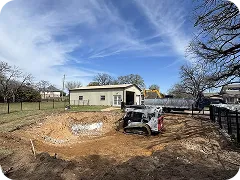
A swimming pool can be an enjoyable feature for years, but changing family needs, rising maintenance costs, and unused backyard space can make removal a practical choice. Homeowners considering plano pool demolition should understand the work involved before deciding how to move forward. Removing a pool is more than draining the water and filling the hole. It requires careful planning, appropriate equipment, and a clear understanding of local requirements. Knowing what to expect can help property owners avoid unnecessary delays and make better decisions about their outdoor space.
Why Homeowners Decide to Remove Their Pools
There are several reasons why an inground swimming pool may no longer suit a property. Some families find that their children have grown up and the pool is rarely used. Others want more room for gardening, outdoor dining, play areas, or landscaping. Older pools can also develop cracks, leaks, damaged plumbing, and surface deterioration that require ongoing attention.
For some homeowners, the decision comes down to long-term costs. Pool maintenance involves chemicals, cleaning, water, electricity, and equipment repairs. These expenses can become difficult to justify when the pool sees little use. Plano pool demolition may offer a way to reclaim valuable yard space, although the right approach depends on the pool’s construction, the property’s drainage, and the owner’s future plans.
Understanding the Demolition Process
Before scheduling work, homeowners should learn what a typical removal project involves. The process for plano pool demolition generally begins with an assessment of the pool, surrounding structures, access points, and underground utilities. The contractor can then determine how the pool should be dismantled and what materials need to be removed.
There are different ways to remove an inground pool. Partial removal usually involves breaking openings in the pool floor for drainage, removing sections of the upper walls, and filling the remaining cavity with suitable material. Complete removal involves dismantling the pool structure and hauling away the resulting debris. The appropriate method depends on local regulations, site conditions, and plans for the land after the work is finished.
Homeowners should also ask how the contractor intends to manage the fill material and compact the soil. Proper preparation matters because poorly filled areas can settle over time. If the reclaimed space will support a patio, shed, or other structure, additional engineering and site preparation may be necessary.
Important Steps to Take Before Work Begins
A little preparation can make a demolition project easier to manage. Before equipment arrives, property owners should discuss the project schedule, site access, debris removal, and any required permits with their contractor. It is also important to establish how the yard will be protected and what condition the property should be in when the work is complete.
Useful steps to take include:
- Check local requirements: Contact the appropriate city or county department to confirm permits, inspections, and pool-removal rules.
- Locate underground utilities: Make sure utility lines are identified before excavation or heavy equipment work begins.
- Plan backyard access: Clear the route for machinery and trucks, and discuss any gates, fences, or landscaping that may need temporary removal.
- Protect nearby features: Identify trees, irrigation lines, patios, foundations, and other features that should remain undamaged.
- Discuss the finished surface: Decide whether the area will become lawn, a garden, or another usable outdoor space.
These preparations help everyone understand the project’s scope before demolition starts. They also reduce the chance of unexpected costs caused by access problems, overlooked utilities, or unclear expectations.
Choosing Between Partial and Complete Pool Removal
Partial removal may cost less initially because some of the existing pool structure remains underground. However, homeowners need to understand how this method affects future use of the property. Depending on local rules, the remaining materials may need to be documented, and the location could face restrictions if a future owner wants to build on the filled area.
Complete removal provides a different set of advantages. Taking out the entire pool structure can offer greater flexibility for future landscaping or construction, although it often requires more labor, hauling, and site restoration. Neither method is automatically right for every property.
When comparing options, ask contractors to explain the work included in each estimate. A useful comparison should cover demolition, disposal, backfilling, compaction, grading, permits, and any restoration work. S&S Pool Demolition is one company homeowners may consult when exploring pool removal options, but property owners should evaluate the proposed scope of work and confirm that it fits their specific site requirements.
Managing Drainage, Soil, and Backyard Restoration
Once the pool has been removed or filled, attention turns to the ground itself. The finished area should be graded so rainwater flows away from the house and does not collect in low spots. Drainage deserves particular attention in North Texas, where heavy rainfall can expose weaknesses in grading and soil preparation.
The choice of fill material also matters. Suitable material should be placed and compacted according to the project specifications rather than dumped into the cavity all at once. Poor compaction can lead to sinking ground, uneven lawns, and depressions that become more noticeable over time. Homeowners should ask how the contractor will verify that the filled area is stable enough for its intended use.
Landscaping can begin once the site is appropriately prepared. Some owners choose grass for a simple, open yard, while others prefer garden beds or outdoor seating areas. If the plan includes a new driveway, retaining wall, or building, professional guidance may be needed to determine whether the former pool location can safely support the proposed use.
Understanding Costs and Project Timelines
The cost of removing a pool varies with its size, construction materials, location, accessibility, and removal method. Concrete pools may require substantial breaking and hauling, while tight access can increase equipment and labor requirements. Disposal fees, permit costs, soil conditions, and the amount of restoration needed can also affect the final price.
Timelines depend on the complexity of the project and the conditions encountered once work begins. A straightforward removal may take considerably less time than a job involving restricted access, extensive concrete, or difficult soil. Weather and inspection requirements can influence the schedule as well.
When requesting estimates, homeowners should ask for a written breakdown rather than relying on a single total. Confirm whether the quote includes hauling, fill material, compaction, grading, and cleanup. It is also worth asking how unexpected underground obstacles or additional repair needs will be handled. Clear answers make it easier to compare proposals and budget realistically.
Conclusion
Removing an inground pool can create new possibilities for a backyard, but a successful project depends on more than taking out concrete and filling a hole. Homeowners should understand their removal options, check local requirements, plan for drainage, and make sure the ground is prepared for its next purpose. With careful planning and a clear scope of work, plano pool demolition can help transform an underused pool area into practical outdoor space that better suits the household’s needs.