Introduction
Access to clean water is essential for everyday life, household comfort, and long-term preparedness. However, water availability can become a concern in areas experiencing drought, unreliable infrastructure, remote living conditions, or emergencies. As a result, alternative water-generation technologies are attracting interest from homeowners, off-grid enthusiasts, and people looking for additional water sources.
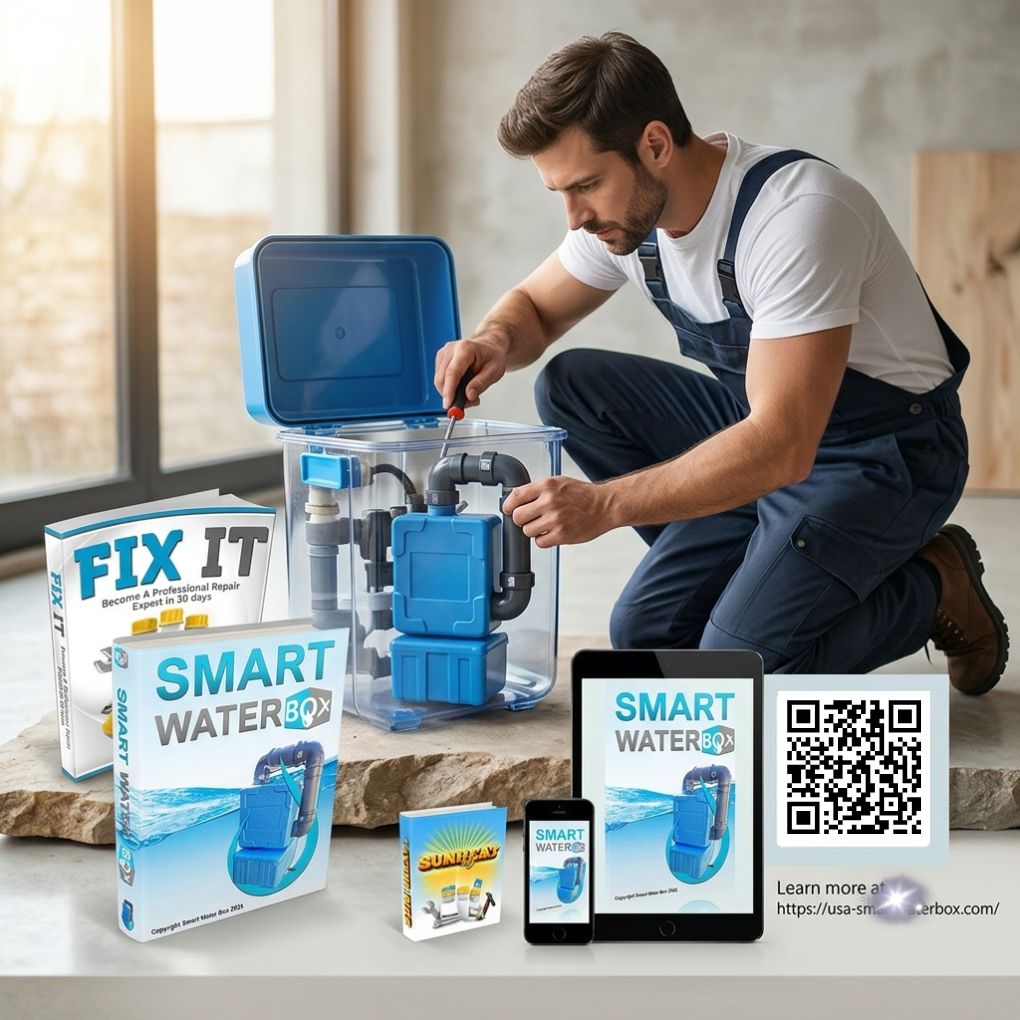
Smart Water Box is marketed as an atmospheric water generation system designed to collect moisture from the air and convert it into usable water. Instead of depending exclusively on municipal water supplies or underground wells, this type of system uses atmospheric humidity as its source.
The Smart Water Box concept may appeal to people interested in water independence, emergency preparedness, and alternative water technologies. However, its real-world performance depends on environmental conditions, energy requirements, water treatment, and the specifications of the actual unit.
In this guide, we explore the Smart Water Box, its advertised features, how atmospheric water generation works, potential benefits, limitations, setup considerations, and frequently asked questions.
What Is Smart Water Box?
Smart Water Box is promoted as an atmospheric water generation solution that extracts moisture from the surrounding air and turns it into collected water. The system is intended for people interested in producing water without relying entirely on conventional water infrastructure.
Atmospheric water generators generally use equipment that captures moisture from humid air. Depending on the technology, the system may cool air until water vapor condenses into liquid droplets or use materials that absorb moisture before releasing it for collection.
Smart Water Box promotional information has described potential output of up to 40 gallons of water per day. This figure should be treated as an advertised maximum rather than a guaranteed daily yield. Actual production depends on the specific equipment, relative humidity, air temperature, energy supply, and operating conditions.
Before purchasing, confirm the exact model specifications, expected output, power requirements, filtration stages, maintenance schedule, and independent water-quality testing information.
How Does Smart Water Box Work?
Atmospheric water generation is based on the principle that air contains water vapor. The amount of moisture available depends on local humidity and temperature.
Although the precise mechanism depends on the equipment design, the process generally involves several stages.
1. Drawing in air
The system draws surrounding air into the unit using a fan or another air-moving mechanism. The amount of moisture available in that air influences the amount of water that can be collected.
2. Extracting atmospheric moisture
Many atmospheric water generators use refrigeration to cool air below its dew point, causing moisture to condense into liquid water. Other designs use moisture-absorbing materials and then release the collected moisture for recovery.
The actual technology used by Smart Water Box should be confirmed through its technical documentation.
3. Collecting the water
The extracted moisture is directed into a collection system. Equipment design and environmental conditions can affect the amount of water produced.
4. Treating and storing water
Water intended for drinking requires appropriate treatment and hygienic storage. Depending on the system, treatment may involve filtration, disinfection, or other processes.
Important: Water collected from air is not automatically safe to drink. Airborne contaminants, internal surfaces, storage conditions, and inadequate maintenance can affect water quality. Verify the unit’s treatment capabilities and follow local drinking-water guidance before consuming the output.
Smart Water Box Features
Smart Water Box is promoted for its alternative water-generation approach. The features below describe the product concept and important specifications prospective buyers should verify.
| Feature | Description |
|---|---|
| Atmospheric moisture collection | Designed to obtain water from moisture present in the air |
| Alternative water source | May provide an additional source of water where environmental conditions are suitable |
| Potential high output | Promotional material has referenced up to 40 gallons daily, but actual production may be lower |
| Reduced dependence on traditional supplies | May supplement other sources rather than eliminate the need for them |
| Home and off-grid interest | May appeal to people exploring alternative water systems |
| Water collection and storage | Requires suitable collection, treatment, and hygienic storage arrangements |
| Environmental operation | Performance depends on local humidity, temperature, power use, and equipment design |
These are not guarantees of performance. Confirm the exact specifications of the model being sold and request technical documentation where available.
Potential Benefits of Smart Water Box
Smart Water Box is marketed toward people interested in water availability, household preparedness, and alternative water-generation methods. Its potential usefulness depends on the environment and the unit’s actual capabilities.
1. An additional source of water
An atmospheric water generator may supplement an existing water supply. This can be attractive to households seeking more flexibility or exploring options for locations where conventional infrastructure is limited.
However, production depends on environmental conditions, and the system should not be assumed to meet every household’s total water demand.
2. Reduced reliance on conventional infrastructure
Because atmospheric water generators obtain moisture from air, they do not need to extract water directly from a municipal pipe or a well to generate their output.
This may offer an additional option in certain settings. Nevertheless, the equipment may still depend on electricity, replacement filters, maintenance, and suitable environmental conditions.
3. Potential usefulness for preparedness
Emergency preparedness involves planning for disruptions to water delivery, electricity, and other essential services. An atmospheric water generator may be one component of a broader preparedness plan if its production capacity and power needs suit the location.
It should not be the only emergency water strategy. Keep a safe reserve of drinking water and follow local emergency guidance.
4. Interest in off-grid living
People interested in remote homes, cabins, or alternative living arrangements may explore atmospheric water generation as part of a wider utility system.
Before relying on it, evaluate seasonal humidity, daily water needs, power availability, repair access, and the consequences of equipment failure.
5. Potential reduction in water deliveries
If the system produces a useful amount of water consistently, it may reduce the need to purchase or transport some water supplies. Whether it saves money depends on the purchase price, energy consumption, maintenance, output, and local water costs.
6. A different approach to water access
Atmospheric water generation demonstrates how moisture in the air can be used as a resource. For some households, it may be worth comparing with rainwater harvesting, water storage, filtration, or conventional supply options.
No single technology is suitable for every climate or household.
How Much Water Can Smart Water Box Produce?
One promotional claim associated with Smart Water Box is a maximum output of up to 40 gallons per day. Buyers should investigate the conditions under which that figure was measured.
Actual water production can vary substantially according to:
- Relative humidity: More moisture in the air generally provides greater potential for collection.
- Air temperature: Temperature affects the amount of water vapor in the air and the performance of condensation-based systems.
- Power availability: Many atmospheric water generators require electricity to operate fans, compressors, or other equipment.
- System efficiency: Different designs use different amounts of energy to produce the same quantity of water.
- Maintenance: Dirty filters, blocked airflow, or poorly maintained equipment may reduce performance.
- Water treatment and storage: Collected water must be managed safely before it is used for drinking.
For example, a system advertised to produce a maximum of 40 gallons daily should not be assumed to generate that amount in a dry climate or under all operating conditions. Ask the seller for measured output data across different humidity and temperature ranges.
Smart Water Box Pros and Cons
| Potential advantages | Limitations to consider |
|---|---|
| Uses atmospheric moisture as a water source | Output varies with weather and humidity |
| May supplement existing water supplies | Equipment can require significant electricity |
| May interest off-grid households | Purchase and maintenance costs need evaluation |
| Can be considered for emergency planning | Not guaranteed to work well in dry conditions |
| Offers an alternative to direct well or municipal extraction | Drinking-water safety depends on treatment and maintenance |
| May reduce some water-delivery needs | Maximum advertised production may not reflect typical output |
Is Smart Water Box Environmentally Friendly?
Atmospheric water generation may offer an alternative way to obtain water, but its environmental impact depends on how the equipment operates.
The system’s electricity consumption is an important factor. If it requires substantial energy, its environmental footprint depends partly on whether that electricity comes from renewable or conventional sources.
Buyers should also consider the unit’s manufacturing materials, replacement filters, maintenance requirements, expected lifespan, and disposal needs.
In humid areas with an efficient system and a suitable energy supply, atmospheric water generation may be worth evaluating. In dry regions, low humidity can reduce output and make water production less practical.
Rather than assuming the technology is automatically sustainable, compare its energy use and lifetime cost with local alternatives, such as municipal water, rainwater collection, or delivered water.
Installation and Maintenance Considerations
Before purchasing Smart Water Box, review the installation requirements carefully.
Choose a suitable location
The unit needs an environment that supports its operating requirements. Confirm recommended ventilation, temperature range, humidity range, and protection from dust or weather exposure.
Confirm the power supply
Check the unit’s electrical requirements, rated power consumption, and daily energy needs. If you plan to use solar power or a battery system, ensure that the available capacity can support the equipment under realistic conditions.
Maintain the water-treatment components
Follow the manufacturer’s instructions for filter replacement, cleaning, disinfection, and storage. A neglected collection tank or treatment system may compromise water quality.
Verify drinking-water suitability
Ask for information about the treatment system and any relevant water-quality testing. If the unit is intended to provide drinking water, confirm that the finished water meets the applicable local standards.
Plan for interruptions
Atmospheric water generation should not be treated as an unlimited or guaranteed supply. Consider how you will obtain safe water when humidity is low, electricity is unavailable, or the equipment needs repair.
Where to Buy Smart Water Box
If you are considering Smart Water Box, review the seller’s claims and technical specifications before placing an order.
Use this checklist:
- Confirm the exact model and manufacturer.
- Request documented output figures and the conditions used for testing.
- Check energy consumption and installation requirements.
- Review the filtration or disinfection system and water-quality documentation.
- Confirm warranty coverage, return terms, shipping costs, and customer support.
- Compare the system with other water-generation and storage options.
One website associated with the product is smartwaterbox.com. Verify that the website represents the intended seller, check the current product specifications, and read the purchase terms carefully. Mentioning a website is not an endorsement or a guarantee of product performance.
Frequently Asked Questions
1. What is Smart Water Box?
Smart Water Box is marketed as an atmospheric water generation system designed to collect moisture from air and turn it into water. Its suitability depends on the actual equipment, local conditions, energy requirements, and water treatment.
2. Can Smart Water Box really produce 40 gallons per day?
Promotional information has referenced output of up to 40 gallons per day. This should not be treated as a guaranteed daily amount. Ask for documented performance data and check the humidity and temperature conditions required to achieve that output.
3. Does Smart Water Box need a well or municipal water connection?
Atmospheric water generators obtain moisture from the air rather than extracting water directly from a well or municipal pipe. However, the specific unit may require electricity, suitable installation, maintenance, and additional water-treatment or storage equipment.
4. Is the water safe to drink?
Not automatically. Drinking-water safety depends on the quality of the equipment, air and internal surfaces, treatment process, and storage conditions. Verify the manufacturer’s documentation and applicable water-quality testing before consuming the water.
5. Does Smart Water Box work in dry climates?
Production can fall significantly when humidity is low. Check the equipment’s rated operating range and performance data for your climate before relying on it.
6. Does Smart Water Box use electricity?
Many atmospheric water generators require electricity to operate fans, refrigeration systems, or other components. Confirm the specific unit’s power requirements and estimate running costs before purchasing.
7. Is Smart Water Box suitable for emergency use?
It may be one part of a broader emergency preparedness plan if it can operate under local conditions. However, output may be reduced by dry weather or power outages, so maintain a separate reserve of safe drinking water.
8. Can Smart Water Box replace the household water supply?
That depends on household demand, local conditions, actual daily output, energy availability, and system reliability. Do not assume the advertised maximum will meet all drinking, cooking, bathing, cleaning, and other household needs.
Final Verdict: Is Smart Water Box Worth Considering?
Smart Water Box is promoted as an atmospheric water generation system for people interested in alternative water sources, household preparedness, and off-grid living. The idea of collecting moisture from the air may be appealing, especially where conventional water access is limited or an additional source is desirable.
However, the practical value of the system depends on more than its marketing claims. Daily production varies with humidity and temperature, electricity may be required, and collected water must be treated and stored safely. The advertised maximum of up to 40 gallons per day should be verified with technical performance data before it is used for planning.
Before buying, compare the system’s price, energy use, maintenance costs, water treatment, warranty, and expected output with alternative solutions. A careful assessment will help you determine whether the equipment is appropriate for your climate and water needs.