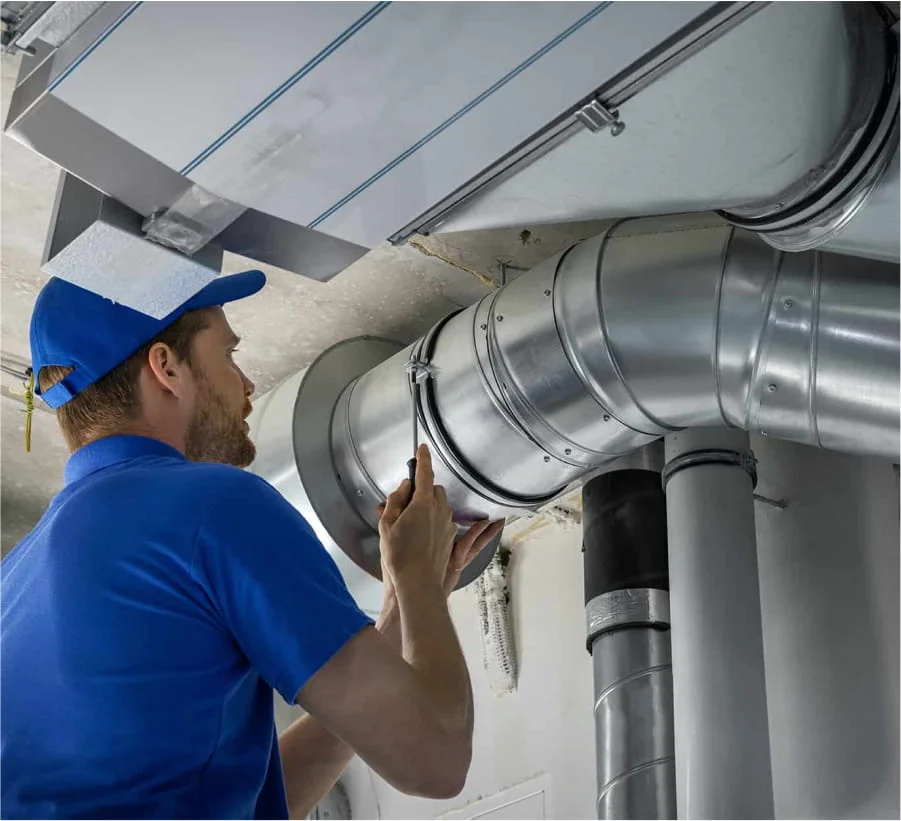
Heating ducts play an important role in keeping your home warm and comfortable. They distribute heated air from your heating system into different rooms, helping maintain consistent indoor temperatures throughout the property.
Over time, heating ducts can develop problems due to age, damage, poor installation, or regular wear and tear. Leaks, cracks, insulation issues, and reduced airflow can affect heating performance and increase energy costs.
When repairs are no longer effective, it may be time to replace heating ducts with a new and more efficient ductwork system.
Replacing old heating ducts can improve airflow, increase energy efficiency, reduce heat loss, and create a more comfortable indoor environment. A professional duct replacement service can assess your existing system, recommend the right solution, and install new ductwork designed for your home’s needs.
Why Replace Heating Ducts?
Many homeowners continue using old duct systems without realising they may be affecting heating performance. Damaged or outdated ducts can reduce the efficiency of your entire heating system.
There are several reasons why replacing heating ducts may be necessary.
Improve Heating Efficiency
Old ducts often lose heated air through leaks, cracks, or poor connections. This means your heating system has to work harder to maintain the desired temperature.
New ductwork can help:
- Reduce heat loss
- Improve airflow
- Increase system efficiency
- Lower energy consumption
A properly installed duct system allows heated air to reach rooms more effectively.
Improve Indoor Comfort
Uneven heating is often a sign of duct problems. Some rooms may feel too cold while others receive too much heat.
Replacing damaged ducts can help create:
- More balanced temperatures
- Better airflow distribution
- Improved comfort throughout the home
A well-designed duct system ensures every area receives the right amount of heated air.
Reduce Energy Costs
Leaking or inefficient ducts can waste energy because heated air escapes before reaching its destination.
New heating ducts help reduce unnecessary energy use by improving system performance.
Over time, better efficiency may help lower heating expenses.
Improve Indoor Air Quality
Old ducts can collect:
- Dust
- Dirt
- Allergens
- Moisture
- Debris
Damaged ductwork may also allow contaminants to enter the airflow.
Replacing heating ducts can help create a cleaner air distribution system, especially when combined with proper filtration and maintenance.
Signs You Need to Replace Heating Ducts
Knowing when to replace heating ducts can prevent ongoing efficiency problems and unnecessary energy costs.
Uneven Heating Throughout Your Home
If some rooms are warmer while others remain cold, your duct system may not be distributing air properly.
Possible causes include:
- Leaking ducts
- Poor duct design
- Damaged sections
- Blocked airflow
Replacing old ductwork can help restore balanced heating.
Rising Energy Bills
A sudden increase in heating costs may indicate that your system is losing efficiency.
Damaged ducts can force your heating system to operate longer to maintain temperature.
If energy costs continue increasing despite normal usage, duct inspection may be necessary.
Visible Damage to Ductwork
Physical damage is a clear sign that replacement may be needed.
Look for:
- Cracks
- Loose connections
- Rust
- Broken sections
- Damaged insulation
Small issues may sometimes be repaired, but extensive damage often requires complete duct replacement.
Poor Airflow From Vents
Weak airflow from vents may indicate duct problems.
Possible causes include:
- Blockages
- Leaks
- Incorrect sizing
- Damaged duct sections
A professional inspection can determine whether repairs or replacement are the better option.
Strange Noises From Ducts
Unusual sounds coming from your duct system may indicate problems.
Common noises include:
- Rattling
- Whistling
- Banging
- Air leakage sounds
These issues may occur due to loose connections or damaged duct materials.
Old or Outdated Duct System
Heating ducts have a limited lifespan. Older systems may become less efficient due to aging materials and outdated installation methods.
If your ductwork is several decades old, replacement may improve performance and reliability.
Benefits of Replacing Heating Ducts
Installing new ductwork provides several long-term advantages.
Better Heating Performance
New ducts allow heated air to move more efficiently throughout your home.
Improved duct performance can result in:
- Faster heating
- Better temperature control
- More consistent comfort
Improved Energy Efficiency
Energy-efficient duct systems reduce heat loss and help heating equipment operate more effectively.
This can reduce unnecessary energy consumption and improve overall system performance.
Reduced Maintenance Requirements
Old duct systems often require frequent repairs due to leaks, damage, and deteriorating materials.
New ductwork can reduce ongoing maintenance needs when properly installed.
Increased Property Value
A modern and efficient heating system can be attractive to potential buyers.
Updated ductwork may improve:
- Home comfort
- Energy efficiency
- Heating reliability
Better Air Distribution
New ducts are designed to provide smoother airflow and better distribution.
This helps prevent temperature differences between rooms.
Common Types of Heating Ducts
When replacing heating ducts, homeowners can choose from different duct materials and designs.
Flexible Ducts
Flexible ducts are made from a wire coil covered with insulation and plastic material.
Advantages include:
- Easy installation
- Flexibility around obstacles
- Cost-effective solutions
They are commonly used in residential applications.
Sheet Metal Ducts
Sheet metal ducts are made from materials such as aluminium or galvanised steel.
Benefits include:
- Durability
- Strong airflow performance
- Long lifespan
They are often used in larger or permanent duct systems.
Fiberglass Ducts
Fiberglass ducts include insulation properties that help reduce heat loss.
They can provide:
- Noise reduction
- Thermal insulation
- Improved comfort
The best option depends on your heating system, home design, and budget.
The Heating Duct Replacement Process
Professional duct replacement involves several steps to ensure proper performance.
Initial Inspection
A technician evaluates your existing duct system.
The inspection includes checking:
- Duct condition
- Airflow issues
- Damage areas
- System compatibility
This helps determine the replacement requirements.
Duct Design Planning
Before installation, professionals design the new duct layout.
They consider:
- Home size
- Heating system capacity
- Room requirements
- Airflow needs
Proper design helps ensure efficient heating distribution.
Removing Old Ductwork
The damaged or outdated ducts are carefully removed.
Professionals take precautions to minimise disruption and protect surrounding areas.
Installing New Heating Ducts
New ductwork is installed according to the planned design.
Installation involves:
- Connecting duct sections
- Sealing joints
- Adding insulation where needed
- Testing airflow
Proper sealing is important to prevent future leaks.
System Testing
After installation, technicians test the system to confirm:
- Correct airflow
- Heating performance
- Proper connections
- Efficient operation
Testing ensures the new duct system works effectively.
Replace Heating Ducts vs Repairing Existing Ducts
Not every duct problem requires replacement. In some situations, repairs may be sufficient.
When Repairs May Be Enough
Duct repairs may work for:
- Small leaks
- Minor damage
- Loose connections
- Limited insulation issues
When Replacement Is Better
Replacement is usually recommended when:
- Ducts are very old
- Damage is widespread
- Repairs are frequent
- Energy efficiency is poor
- Duct design is outdated
A professional inspection can help determine the most cost-effective option.
How Much Does It Cost to Replace Heating Ducts?
The cost to replace heating ducts depends on several factors.
Important cost considerations include:
- Home size
- Number of ducts required
- Duct material
- System complexity
- Labour requirements
- Accessibility
Factors that may affect pricing include:
Size of the Property
Larger homes usually require more ductwork, increasing material and installation costs.
Type of Duct Material
Different materials have different price points and performance characteristics.
Existing System Condition
Removing damaged or difficult-to-access ductwork may increase labour requirements.
Installation Complexity
Homes with limited access areas may require additional time and specialised equipment.
While duct replacement involves an upfront investment, improved efficiency and comfort can provide long-term value.
How to Choose a Heating Duct Replacement Professional
Choosing the right contractor is important for achieving good results.
Check Experience
Look for professionals with experience in:
- Heating systems
- Duct installation
- Airflow assessment
- Residential HVAC projects
Review Previous Work
Customer reviews and completed projects can provide insight into service quality.
Consider feedback about:
- Installation quality
- Professionalism
- Communication
- Reliability
Ask About Materials and Process
A reputable contractor should explain:
- Recommended duct materials
- Replacement process
- Expected timeline
- Maintenance requirements
Clear information helps you make an informed decision.
Maintaining New Heating Ducts
After replacing heating ducts, regular maintenance helps protect your investment.
Schedule Inspections
Routine inspections can identify small problems before they become major issues.
Change Air Filters Regularly
Clean filters improve airflow and reduce dust buildup.
Keep Vents Clear
Avoid blocking vents with furniture or objects.
Monitor Heating Performance
Pay attention to:
- Uneven temperatures
- Reduced airflow
- Unusual sounds
Early attention can prevent future problems.
Frequently Asked Questions About Replace Heating Ducts
How do I know if I need to replace heating ducts?
Signs include uneven heating, rising energy bills, poor airflow, visible duct damage, unusual noises, and outdated duct systems.
How long do heating ducts usually last?
The lifespan of ductwork depends on materials, installation quality, and maintenance. Older ducts may require replacement when they become inefficient or damaged.
Can leaking heating ducts increase energy costs?
Yes. Leaking ducts allow heated air to escape, causing your heating system to work harder and consume more energy.
Is replacing heating ducts better than repairing them?
It depends on the condition of the duct system. Minor issues may be repaired, but older or severely damaged ducts are often better replaced.
How long does heating duct replacement take?
The installation time depends on the size of the property, duct complexity, and accessibility.
Can new ducts improve heating performance?
Yes. Properly installed new ducts can improve airflow, reduce heat loss, and create more consistent indoor temperatures.
What type of heating ducts are best?
The best duct type depends on your heating system, property design, budget, and efficiency goals.
Do new heating ducts improve air quality?
Yes. Replacing damaged or contaminated ductwork can help create a cleaner air distribution system.
Final Thoughts
Knowing when to replace heating ducts can help improve your home’s comfort, efficiency, and indoor air quality. Old, damaged, or poorly designed duct systems can reduce heating performance and increase energy costs.
Professional duct replacement provides a long-term solution by improving airflow, reducing heat loss, and creating a more reliable heating system.
If your heating system struggles to maintain comfortable temperatures or your energy bills continue rising, inspecting your ductwork may be the first step toward a more efficient and comfortable home.