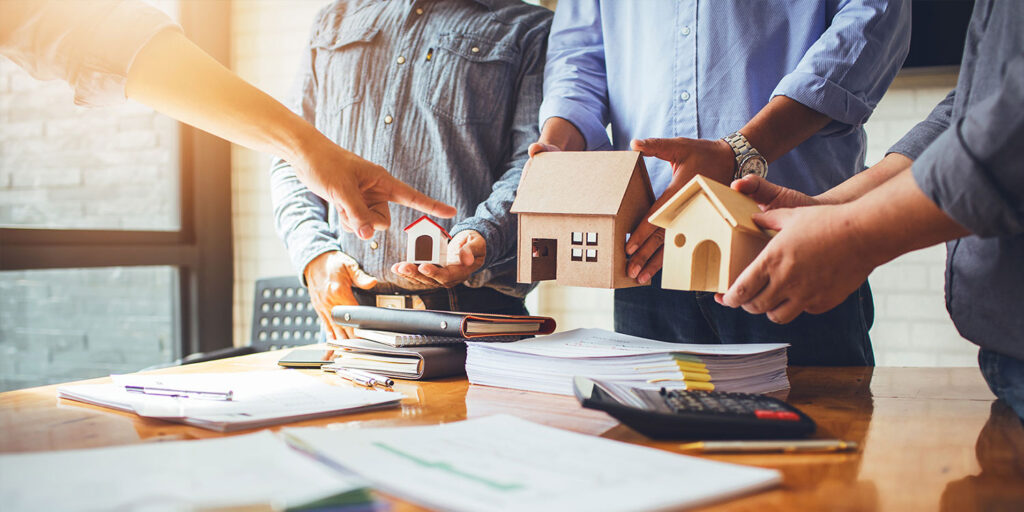
A neighborhood can feel inviting or neglected based on small details: well-maintained landscaping, clean common areas, attractive homes, and clearly communicated community standards. For homeowners, keeping these elements consistent can become difficult when responsibilities are shared across an entire community. That is where HOA Management Services can make a practical difference by organizing maintenance, enforcing reasonable standards, and helping communities remain attractive, functional, and welcoming.
Why Neighborhood Appeal Matters to Homeowners
Neighborhood appeal involves more than attractive streets and neatly trimmed lawns. It reflects how consistently a community maintains shared spaces and how well residents care for their individual properties.
A visually appealing neighborhood can create a stronger sense of pride among residents. It may also make visitors feel more comfortable and help homeowners enjoy a more pleasant living environment.
Appearance and Community Satisfaction
When common areas are clean, landscaping is maintained, and properties generally follow established standards, residents are more likely to feel that their community is being cared for.
However, maintaining this consistency requires organization. Without clear responsibilities and regular follow-up, minor issues can quickly become noticeable problems.
Protecting the Character of the Neighborhood
Most communities establish guidelines for exterior property conditions, landscaping, parking, signage, and other visible features. These rules help create a consistent appearance while setting expectations for homeowners.
HOA Management can assist the association in communicating and administering these standards fairly. The goal is not simply to issue violations but to help residents understand what is expected and why those expectations exist.
How HOA Management Supports Property Maintenance
One of the most visible ways an association maintains neighborhood appeal is through property and common-area maintenance.
An HOA management team can help board members coordinate vendors, track maintenance requests, schedule inspections, and follow up on unfinished work. This organized approach reduces the likelihood that important tasks will be forgotten.
Maintaining Common Areas
Shared spaces often form the first impression of a neighborhood. Examples include:
- Entryways and community signs
- Clubhouses and recreational facilities
- Sidewalks and walking paths
- Green spaces and landscaped areas
- Parking areas
- Community lighting
- Fences and gates
Regular inspections can identify damaged, dirty, or deteriorating areas before they become larger concerns.
For example, replacing a broken light promptly can improve both appearance and visibility. Similarly, addressing damaged landscaping early can prevent a small problem from spreading across a larger common area.
Coordinating Reliable Vendors
Landscaping companies, cleaning crews, pool contractors, electricians, and maintenance professionals may all contribute to community upkeep.
HOA Management can help the board organize these relationships by obtaining proposals, coordinating schedules, monitoring work, and maintaining service records. This gives board members a clearer picture of what is being maintained and when.
The Role of Landscaping in Neighborhood Appeal
Landscaping has a major visual impact on residential communities. Healthy lawns, maintained trees, attractive plantings, and clean planting beds can make shared spaces look cared for.
At the same time, landscaping requires consistent attention rather than occasional improvements.
Creating Consistent Landscaping Standards
A community may establish standards covering lawn care, weeds, tree maintenance, irrigation, or the appearance of front yards.
Consistent guidelines help prevent one property from becoming dramatically different from surrounding homes. However, rules should be clearly communicated so homeowners know what is expected.
Responding to Seasonal Maintenance
Different seasons bring different maintenance requirements. Spring may require cleanup and planting, while summer can bring irrigation concerns. Fall often involves leaf removal, and winter may require attention to weather-related damage.
A well-organized HOA can create a seasonal maintenance schedule instead of waiting for problems to become obvious.
How HOA Management Helps Enforce Community Standards
Community standards can protect neighborhood appearance, but enforcement requires consistency and good communication.
HOA Management can provide administrative support by maintaining property records, sending notices, documenting concerns, and helping the board follow established procedures.
Clear Communication Reduces Conflict
A homeowner who receives a vague notice may not understand what needs to change. A clear communication process can explain the issue, reference the applicable community rule, and provide information about the next steps.
This approach gives homeowners an opportunity to address concerns before they become more serious.
Consistent Application of Rules
Rules should be applied according to the association’s governing documents and applicable laws. Consistency is particularly important because homeowners may become frustrated if similar situations appear to receive different treatment.
Management professionals can help boards maintain organized records and established procedures, supporting a more predictable administrative process.
HOA Management and Community Cleanliness
Cleanliness is another important part of neighborhood appeal. Overflowing trash areas, abandoned items, damaged signs, or poorly maintained shared facilities can quickly make an otherwise attractive community look neglected.
Regular inspections and maintenance schedules help identify these issues.
Keeping Shared Facilities Presentable
Community facilities often receive significant use. Cleaning schedules should account for areas such as:
- Clubhouses
- Fitness rooms
- Pool facilities
- Restrooms
- Mail areas
- Seating areas
- Recreation spaces
Regular cleaning protects the appearance of these facilities while also helping create a more comfortable experience for residents.
Addressing Maintenance Requests Promptly
Homeowners notice when reported issues remain unresolved for long periods. A system for receiving, prioritizing, and tracking maintenance requests can make the process more efficient.
For example, a damaged sidewalk may require quicker attention than a cosmetic issue because it could affect accessibility or safety. Organizing requests by urgency helps the association use resources responsibly.
How HOA Management Supports Homeowners
An association’s appearance depends partly on homeowners understanding their responsibilities. Good management should therefore make compliance easier rather than relying solely on enforcement.
Homeowners benefit when they can easily find community rules, submit requests, ask questions, and receive timely information.
Providing Accessible Information
Useful homeowner resources may include:
- Community rules and architectural guidelines
- Maintenance responsibilities
- Contact information
- Meeting schedules
- Maintenance request procedures
- Payment information
- Community announcements
When information is easy to access, homeowners have fewer reasons to guess about requirements.
Encouraging Resident Participation
Neighborhood appeal is a shared responsibility. Residents who understand how their actions affect common spaces may be more willing to participate in community improvement efforts.
Simple initiatives such as neighborhood cleanups, landscaping projects, or seasonal reminders can encourage residents to take greater ownership of their surroundings.
Key Areas HOA Management Can Monitor
A structured maintenance program makes it easier for boards and homeowners to understand where attention is needed.
| Area | What to Monitor | Benefit to the Community |
|---|---|---|
| Landscaping | Lawns, trees, planting beds | Maintains visual appeal |
| Common Areas | Cleanliness and repairs | Creates welcoming shared spaces |
| Exterior Properties | Visible maintenance concerns | Supports consistent standards |
| Lighting | Damaged or nonworking fixtures | Improves visibility and appearance |
| Roads and Sidewalks | Surface damage and upkeep | Supports usability |
| Community Facilities | Cleaning and repairs | Improves resident experience |
| Signage | Condition and visibility | Maintains a polished appearance |
This type of checklist can also help the board prioritize maintenance instead of reacting only when residents report problems.
Using Preventive Maintenance to Preserve Appeal
Waiting until something breaks can often create more expense and inconvenience than addressing it early. Preventive maintenance focuses on identifying potential problems before they become major repairs.
For instance, routine inspections can reveal deteriorating fencing, irrigation problems, drainage concerns, or aging outdoor fixtures.
Building a Maintenance Calendar
A maintenance calendar can include recurring tasks such as:
- Inspect common areas regularly.
- Schedule seasonal landscaping services.
- Review exterior lighting.
- Check shared facilities for repairs.
- Inspect sidewalks and other frequently used areas.
- Review vendor performance.
- Record completed maintenance.
Keeping these tasks organized gives the association a practical framework for ongoing care.
Improving Communication Between the HOA and Residents
Even excellent maintenance can create frustration when residents do not understand what is happening.
HOA Management can help establish communication channels for announcements, maintenance updates, rule reminders, and community information.
Communicating Before Major Work
If landscaping, paving, exterior repairs, or other projects could temporarily affect residents, advance notice can make the process easier.
A simple announcement can explain what work will occur, why it is necessary, how long it may take, and whether residents need to take any action.
Listening to Homeowner Concerns
Communication should also work in the opposite direction. Homeowners often notice issues before management or board members do.
A convenient reporting process allows residents to identify damaged facilities, lighting problems, landscaping concerns, or other maintenance needs. Management can then route those concerns to the appropriate person or vendor.
Balancing Standards With Practical Homeowner Needs
Neighborhood standards should support community appearance while recognizing that homeowners have different circumstances.
Rules should be understandable, documented, and administered according to the association’s governing documents and applicable requirements.
For example, a landscaping standard can establish expectations without requiring every yard to look identical. Clear guidelines can provide consistency while leaving room for reasonable choices within the community’s framework.
Practical Ways Homeowners Can Support Neighborhood Appeal
HOA Management can organize community-wide efforts, but homeowners play an equally important role in maintaining their individual properties.
Residents can contribute by:
- Keeping lawns and landscaping maintained
- Following approved exterior modification procedures
- Keeping driveways and visible areas orderly
- Reporting common-area maintenance concerns
- Following parking and trash requirements
- Caring for community amenities
- Reading association communications
- Asking questions when a rule is unclear
Small efforts become more noticeable when many homeowners participate.
Measuring the Results of Community Maintenance
A community does not need complicated systems to determine whether maintenance efforts are working.
Boards can review maintenance requests, recurring repair issues, vendor performance, inspection records, and homeowner feedback. These details can reveal patterns that might otherwise go unnoticed.
For example, repeated irrigation problems in the same landscaped area could indicate that the association needs a more permanent solution rather than repeated short-term repairs.
Regular reviews also help boards make better-informed maintenance decisions and plan future expenses.
Conclusion
Neighborhood appeal depends on consistent care, clear standards, reliable maintenance, and cooperation between homeowners and association leadership. Effective HOA Management helps bring these responsibilities together by coordinating vendors, monitoring common areas, supporting communication, and helping boards administer established community standards. Homeowners also have an important role because individual property care contributes directly to the overall appearance of the neighborhood. When management and residents work from clear expectations and respond to maintenance needs proactively, communities can remain attractive, organized, and enjoyable places to live.
FAQs
1. What does HOA management do for a neighborhood?
HOA management can support the association with administrative tasks, maintenance coordination, vendor management, homeowner communication, recordkeeping, and enforcement of established community standards.
2. How does an HOA maintain neighborhood appearance?
An HOA can maintain appearance through landscaping, common-area maintenance, property standards, regular inspections, repairs, community cleanliness programs, and consistent communication with homeowners.
3. Can HOA management help with landscaping?
Yes. Management can help coordinate landscaping vendors, schedules, inspections, maintenance requests, and seasonal services according to the association’s budget and requirements.
4. Why is preventive maintenance important for an HOA?
Preventive maintenance helps identify developing problems before they become larger and potentially more expensive repairs. It also helps keep shared spaces functional and visually appealing.
5. How can homeowners help maintain neighborhood appeal?
Homeowners can maintain their properties, follow community guidelines, report common-area problems, care for shared amenities, and stay informed about association policies and maintenance activities.