mobile robots
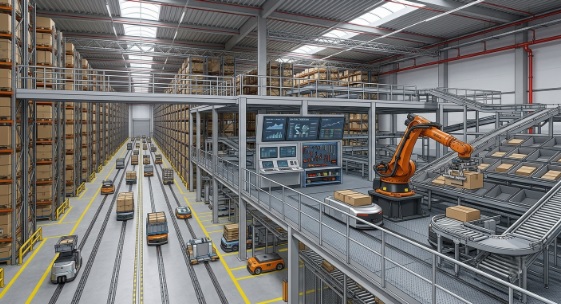
Zone picking divides a large warehouse into defined areas, allowing associates to focus on the SKUs and orders handled within their zone. The challenge begins when orders move across zones. In a large USA warehouse, mobile robots can take over much of that travel, connecting zones while allowing pickers to stay focused on picking.
As order volumes grow, the distance between picking zones can become just as important as the picking process itself. Tote movement from one zone to another can consume time that could otherwise be used for picking, and any delay in one zone will directly impact the following zone. Robotic movement is key to linking these zones and ensuring the orders continue moving in the facility without having each picker handle the transportation work.
Why Zone Picking Needs More Than Fixed Movement
Zone picking works well when inventory is spread across a large facility, but movement gaps can appear between zones. Items may have to be collected from different zones prior to consolidation or packaging, which causes congestion.
Mobile robots add flexibility to this movement layer. They can move between designated zones, collect totes or carts, and move completed work to the next process without forcing each picker to move out of an assigned area. This will provide a clear distinction between picking activities and material transportation for large-scale operations.
Some of the major advantages include:
- Less picker travel: Associates spend more time within assigned zones instead of walking between distant areas.
- Flexible transfers: Robots move work between zones as order requirements change.
- Better zone continuity: Completed picks move toward the next zone without waiting for a manual transfer.
How Robots Fit Into a Zone Picking Workflow
Zone picking becomes more effective when transportation is coordinated with the order sequence. In a USA warehouse, the system can direct a robot to collect a tote from one zone and move it to the next location while the picker remains focused on zone work.
An automated warehouse picking system can coordinate orders, inventory locations, and movement instructions so each zone receives the work it needs. This is important in case several orders go through several zones at once. The idea is to keep the whole order flowing without delays.
A good process includes:
- Order release: The system identifies the zones required to complete the order.
- Zone picking: Associates pick required items within their assigned areas.
- Robot movement: A robot carries the tote, cart, or completed work to the next zone.
- Consolidation: Completed picks come together for packing or dispatch.
What Changes for Warehouse Associates?
The biggest change is where associates spend their time. In a traditional zone setup, a picker may finish an assignment and spend part of the shift moving a cart, searching for the next location, or waiting for another process. In a large U.S. warehouse, these movements can add up across thousands of orders.
Transportation can shift away from the picking team, allowing associates to remain closer to designated pick faces. It does not mean that there will be no need for people. It means that the decision-making and product handling are separated from transportation.
How Can Zone Picking Scale Across Large Facilities?
Large facilities typically do not have equal demands from all zones. There might be certain zones that experience heavy traffic while others do not. The set-up for transportation is likely to face difficulty due to variations in movement requirements at peak times.
Mobile robots can change routes with operational requirements. If one zone needs more transfers, assignments can change without redesigning the floor. This will allow the USA facility to adapt to variations in SKU types and volumes, order requirements and seasonal demand while preserving the basic zone structure.
Considerations during planning include:
- Zone design: Pick areas need clear boundaries and logical handoff points.
- Traffic flow: Robot paths should avoid congestion around busy workstations.
- Order sequencing: Movement should match the order’s required zone sequence.
- Handoff points: Defined transfer locations make movement predictable and easier to manage.
How Addverb’s Dynamo Fits Zone Picking Operations
Addverb’s Dynamo is an autonomous mobile robot designed for material movement, picking, and tugging applications. In a zone picking environment, its role can center on moving loads between work areas so associates remain focused on picking rather than long-distance transportation. Dynamo uses natural navigation and LiDAR-based sensing to navigate warehouse environments and adapt its movement around obstacles.
For large USA warehouses, Dynamo’s flexible movement model can fit workflows where material travels between multiple zones. Its capabilities can be configured around changing movement requirements and zone layouts, connecting separate work areas.
Conclusion
Zone picking can divide work effectively, but its performance depends on how smoothly orders move between zones. When transportation becomes a coordinated layer, associates can stay focused on picking while completed work continues toward the next required process.
For large warehouses, this approach can make zone-based operations more adaptable as order patterns and facility requirements change. Addverb’s Dynamo gives warehouses a flexible robotic option for connecting movement between picking zones, helping turn separate zones into a more coordinated workflow.