Businesses across different industries rely on effective packaging solutions to protect products during handling, storage, and transportation. From warehouses and manufacturing facilities to retail operations and logistics companies, keeping products secure is essential for preventing damage and maintaining quality.
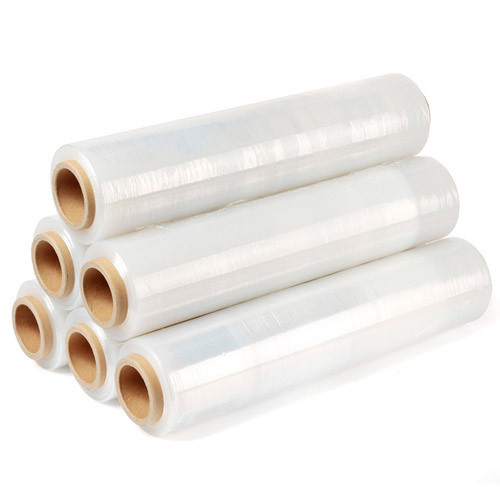
Stretch Wrapping Film is one of the most widely used packaging materials because of its flexibility, durability, and ability to hold products tightly together. This stretchable plastic film wraps around items, pallets, and packages to provide stability and protection during movement.
Unlike traditional packaging methods, stretch film uses elasticity to create a secure hold without requiring additional fastening materials. It helps protect products from dust, moisture, shifting, and damage while improving efficiency in packaging operations.
Whether used manually or with automated wrapping machines, stretch wrapping film provides a practical solution for businesses that need reliable load protection.
What Is Stretch Wrapping Film?
Stretch wrapping film is a highly flexible plastic packaging material designed to stretch around products and create a secure protective layer.
It is commonly made from linear low-density polyethylene (LLDPE), a material known for its strength, flexibility, and resistance to tearing.
The stretching ability of the film allows it to tightly secure items together while maintaining enough flexibility to absorb movement during transportation.
Stretch wrapping film is commonly used for:
- Pallet wrapping
- Warehouse storage
- Product bundling
- Shipping protection
- Industrial packaging
Why Stretch Wrapping Film Is Important for Businesses
Packaging plays an important role in protecting products from the moment they leave production facilities until they reach customers.
Stretch wrapping film provides several advantages that make it an essential packaging solution.
Protects Products During Transportation
Products can shift, fall, or become damaged during handling and shipping. Stretch film helps keep items stable by creating a tight protective layer around them.
It helps reduce:
- Product movement
- Load instability
- Packaging damage
- Transportation losses
Improves Storage Efficiency
Warehouses need organised storage systems to manage inventory effectively.
Stretch wrapping film helps by:
- Keeping products grouped together
- Creating stable pallet loads
- Reducing clutter
- Supporting easier handling
Provides Protection Against Dust and Moisture
During storage and transportation, products may be exposed to environmental factors.
Stretch film provides a protective barrier against:
- Dust
- Dirt
- Light moisture exposure
- External contaminants
Types of Stretch Wrapping Film
Different businesses require different types of stretch film depending on their packaging needs, product weight, and application method.
Hand Stretch Film
Hand stretch film is designed for manual application without machinery.
It is commonly used by:
- Small warehouses
- Retail businesses
- Moving companies
- Small manufacturing facilities
Benefits include:
- Easy application
- Flexible usage
- Lower equipment requirements
Machine Stretch Film
Machine stretch film is designed for automated wrapping equipment.
It is commonly used in:
- Large warehouses
- Manufacturing plants
- Distribution centres
Advantages include:
- Faster packaging
- Consistent wrapping
- Reduced labour requirements
- Improved efficiency
Pre-Stretched Film
Pre-stretched film is stretched before application, reducing the effort required during wrapping.
Benefits include:
- Easier handling
- Less physical strain
- Consistent application
- Reduced material usage
Coloured Stretch Film
Coloured stretch film is used when businesses need product identification or security.
Common applications include:
- Inventory organisation
- Colour coding
- Brand identification
- Product separation
Transparent Stretch Film
Clear stretch film is widely used because it allows businesses to identify wrapped products without removing the packaging.
Benefits include:
- Easy product visibility
- Simple inventory checks
- Professional appearance
Heavy Duty Stretch Film
Heavy-duty stretch film is designed for heavier loads requiring additional strength.
It is suitable for:
- Industrial products
- Large pallets
- Heavy equipment packaging
Benefits of Using Stretch Wrapping Film
Stretch wrapping film offers practical advantages across many industries.
Strong Load Stability
One of the main purposes of stretch film is securing products together.
It helps prevent:
- Pallet movement
- Product shifting
- Load separation
Reduces Packaging Costs
Stretch film can reduce the need for additional packaging materials.
Businesses may save by using:
- Less packaging material
- Faster wrapping processes
- Reduced product damage
Easy Application
Stretch film is simple to apply manually or through automated systems.
Its flexibility makes it suitable for different product shapes and sizes.
Versatile Packaging Solution
Stretch wrapping film can be used across many industries, including:
- Manufacturing
- Logistics
- Food distribution
- Retail
- Warehousing
Common Uses of Stretch Wrapping Film
Stretch film is used in many business operations where product protection is required.
Pallet Wrapping
Pallet wrapping is one of the most common uses of stretch film.
It helps:
- Secure boxes together
- Stabilise loads
- Improve transportation safety
Warehouse Storage
Warehouses use stretch film to organise and protect stored products.
It helps keep inventory:
- Secure
- Clean
- Easy to move
Industrial Packaging
Manufacturers use stretch film to protect finished products before shipping.
Applications include:
- Machinery parts
- Equipment
- Raw materials
- Manufactured goods
Food and Beverage Packaging
Stretch film is often used in food distribution environments to secure packaged products during transportation.
Moving and Relocation
Moving companies use stretch film to protect furniture and household items.
It helps protect:
- Furniture surfaces
- Drawers and doors
- Grouped items
How to Choose the Right Stretch Wrapping Film
Selecting the correct stretch film is important for achieving effective packaging results.
Consider Product Weight
Different loads require different film strengths.
Light products may need standard film, while heavier items require stronger options.
Evaluate Wrapping Method
Choose film based on whether you are using:
- Manual wrapping
- Semi-automatic machines
- Fully automatic equipment
Check Film Thickness
Film thickness affects:
- Strength
- Stretch capability
- Protection level
Consider Load Shape
Products with unusual shapes may require stretch film with greater flexibility and holding power.
Understand Storage Conditions
Consider whether products will be stored:
- Indoors
- Outdoors
- In humid environments
- For long periods
Stretch Wrapping Film Thickness and Performance
The thickness of stretch film affects its performance and suitability.
Thin Stretch Film
Thin films are suitable for lighter loads and businesses looking to reduce material usage.
Benefits include:
- Lower material consumption
- Lightweight packaging
- Cost efficiency
Standard Stretch Film
Standard thickness options work well for general packaging requirements.
Thick Stretch Film
Thicker films provide additional strength for:
- Heavy loads
- Long-distance shipping
- Industrial applications
Stretch Film vs Shrink Film
Many businesses compare stretch film and shrink film because both are used for packaging protection.
Stretch Wrapping Film
Stretch film works by stretching around products and creating tension.
It is commonly used for:
- Pallets
- Large loads
- Transportation protection
Shrink Film
Shrink film requires heat to tighten around products.
It is often used for:
- Retail packaging
- Product presentation
- Small item bundling
The right choice depends on packaging requirements and application methods.
How Stretch Wrapping Film Improves Supply Chain Operations
Efficient packaging plays an important role in logistics and supply chain management.
Stretch film helps improve operations by:
Reducing Product Damage
Secure loads experience fewer issues during transportation.
Improving Handling Efficiency
Stable pallets are easier to move using forklifts and warehouse equipment.
Supporting Inventory Management
Clearly wrapped loads are easier to identify and organise.
Environmental Considerations of Stretch Wrapping Film
Many businesses are focusing on sustainable packaging practices.
Using Recyclable Stretch Film
Some stretch films can be recycled through appropriate recycling programs.
Reducing Material Waste
Using the correct film thickness and application method can help reduce unnecessary material usage.
Choosing Efficient Wrapping Methods
Proper wrapping techniques help businesses use only the required amount of film.
How Much Does Stretch Wrapping Film Cost?
The cost of stretch wrapping film depends on several factors.
Film Type
Different types, including hand film, machine film, and specialty films, have different pricing.
Quantity Ordered
Bulk purchasing often provides better value for businesses.
Film Thickness
Thicker films may cost more due to increased material strength.
Custom Features
Coloured or specialised films may have different pricing compared with standard transparent options.
Tips for Using Stretch Wrapping Film Effectively
Proper application improves packaging performance.
Apply Correct Tension
Stretch film should be applied with enough tension to secure products without damaging them.
Overlap Layers Properly
Proper overlap improves load stability.
Wrap From Bottom to Top
Starting at the base helps create stronger pallet support.
Use Suitable Film for the Load
Choosing the correct film type prevents packaging failures.
Why Stretch Wrapping Film Is Essential for Modern Packaging
Businesses need packaging solutions that provide protection, efficiency, and cost control. Stretch Wrapping Film offers a flexible and reliable way to secure products during storage and transportation.
From pallet protection and warehouse organisation to industrial packaging and logistics operations, stretch film helps businesses maintain product quality while improving handling efficiency.
By selecting the right type of stretch film and applying it correctly, companies can reduce damage risks, improve workflow, and create more effective packaging processes.
Frequently Asked Questions About Stretch Wrapping Film
What is stretch wrapping film used for?
Stretch wrapping film is used to secure products, protect pallets, and keep items stable during storage and transportation.
What material is stretch wrapping film made from?
Most stretch wrapping film is made from linear low-density polyethylene (LLDPE), known for flexibility and strength.
Is stretch film waterproof?
Stretch film provides resistance against light moisture and environmental exposure, but it is not designed as a completely waterproof barrier.
What is the difference between hand stretch film and machine stretch film?
Hand stretch film is applied manually, while machine stretch film is designed for automated wrapping equipment.
How do I choose the right stretch film?
Choose based on load weight, wrapping method, product shape, storage conditions, and required protection level.
Can stretch wrapping film be recycled?
Some stretch films can be recycled depending on local recycling facilities and material handling systems.
Does thicker stretch film provide better protection?
Thicker film generally provides more strength, but the best choice depends on the specific packaging requirements.
How does stretch film reduce product damage?
Stretch film stabilises loads, reduces movement, and protects products from dust and handling damage.
Can stretch wrapping film be used for moving furniture?
Yes, stretch film is commonly used by moving companies to protect and secure furniture items.
How should stretch wrapping film be stored?
Stretch film should be stored in a dry area away from extreme temperatures to maintain quality and performance.