If you have ever unscrewed a blown fuse and replaced it with a fresh one, you have met one of the oldest pieces of home electrical technology still in use. Many Bronx buildings, especially prewar walk-ups and older multifamily homes, still rely on them. Tenants often accept the fuse box as a quirk of the building and move on.
That habit deserves a second look. A fuse box is not automatically dangerous, but it usually signals that the wiring behind it was designed for a very different era. Hiring licensed electricians Bronx property owners can verify is the safest way to learn what your system can actually handle.
This article explains how fuse boxes work, where the real risks hide, and what a sensible upgrade looks like.
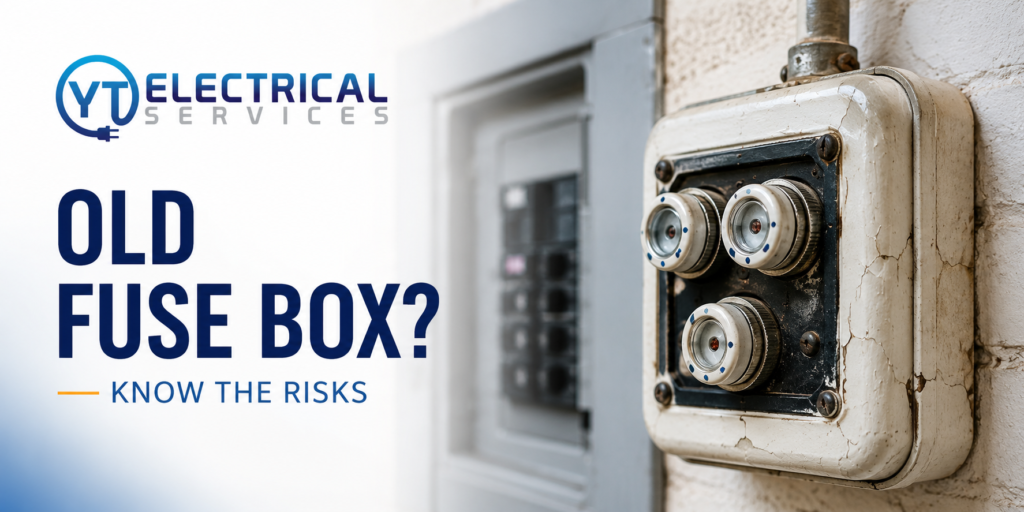
How a Screw-In Fuse Box Actually Works
A fuse holds a thin metal strip. When too much current flows, the strip melts and breaks the circuit. That is a one-time safety action, and the fuse must be replaced afterward.
Modern circuit breakers do the same job with a switch that can be reset. Breakers also offer options that fuses never did, such as ground fault and arc fault protection, which are now common requirements for new work.
Fuse boxes became standard in the early twentieth century, when a typical home ran a few light bulbs and maybe a radio. Today, a single apartment may power air conditioners, microwaves, computers, and space heaters at once. The gap between what the system was built for and what it now carries is where trouble begins.
The Hidden Risks of an Old Fuse Box
A working fuse box may look harmless. Still, several problems are well known to electricians:
- Oversized fuses. When fuses keep blowing, people sometimes swap in a higher-rated one. That lets more current flow than the wires can safely carry, and the wires overheat instead of the fuse.
- Limited capacity. Older service panels often provide far less power than modern households need, which leads to constant overloading.
- Extension cord dependence. Too few outlets push tenants toward power strips and cords, which adds heat and clutter.
- Aging connections. Contacts inside fuse holders can corrode or loosen over decades, creating hot spots.
The oversized fuse problem is the most serious. A fuse exists to protect the wire, not the appliance. Defeating it defeats the whole safety design.
Warning Signs That Your Wiring Needs Attention
Your building may be telling you something already. Watch for these clues:
- Fuses that blow more than once in a while
- Lights that dim when large appliances start
- Outlets that feel warm or show discoloration
- Two-prong outlets throughout the unit
- A burning smell near the fuse box or walls
Any single sign can have a simple cause. Together, they suggest a system stretched past its limits. Do not try to solve it with bigger fuses or more adapters. Bring in a professional who can test the circuits and explain what is happening.
Why Licensed Electricians in Bronx Buildings Depend On Matter
Electrical work in New York City is regulated for good reason. Panels, service lines, and wiring changes generally require a licensed professional, and many jobs need permits and inspections. Unlicensed work can lead to failed inspections, violations against the property, and insurance disputes after a loss.
Ask any contractor to show a current license and proof of insurance. Ask whether they will file the permit and schedule the inspection. A qualified professional expects these questions and answers them plainly.
Experience with older buildings also counts. Bronx housing includes brick prewar apartment houses, two-family homes, and mixed-use storefronts, and each one hides different surprises behind the plaster. YT Electrical Services Inc is one example of a firm that works across these building types, which helps when a job turns out more complicated than it first appeared.
What a Modern Upgrade Involves
An upgrade is more than swapping a box on the wall. A typical project may include these steps:
- Evaluating the building’s incoming service and the total load
- Replacing the fuse box with a breaker panel sized to real demand
- Adding dedicated circuits for kitchens, air conditioners, and large appliances
- Installing GFCI protection in kitchens and bathrooms
- Replacing outdated outlets and correcting unsafe splices
In multifamily buildings, the process also involves coordination with the owner or management. Tenants cannot usually change building wiring on their own, and they should not try.
Work like this can take a day or several, depending on scope. A good electrician gives you a written estimate and a realistic timeline before starting.
Who Is Responsible in a Rental Building?
Tenants often wonder whom to approach. As a general rule, the landlord or building owner is responsible for the building’s electrical system, including the panel and shared wiring. If you rent, report concerns in writing and keep a copy.
Include the date, a short description, and photos if you can. If a hazard is severe, such as sparking or a burning smell, treat it as an emergency and contact building management at once. When you own your home, the choice is yours, so it pays to schedule an inspection before problems appear. Searching for a licensed electrician near me is a fine starting point, but confirm the license and insurance before anyone opens your walls.
A Closing Thought Before You Reach for Another Fuse
The old wisdom says that a chain is only as strong as its weakest link. In an older building, that link is often the fuse box: quiet, familiar, and easy to ignore until it fails.
A screw-in fuse box does not mean disaster, but it does mean an assessment is overdue. Understand your capacity, watch for warning signs, and never patch a repeated problem with a larger fuse. Whether you own or rent, encourage a proper inspection from one of the licensed electricians Bronx residents can trust to work safely and legally.
Before you screw in the next fuse, ask yourself: is this fix solving the problem or just hiding it?