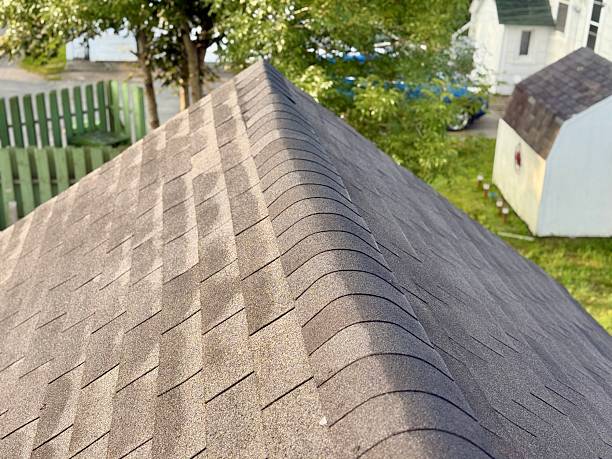
Home Damaged Asphalt Shingles
Let’s just get into it. Most homeowners want a number, and I get that. But roof damage repair in Morton doesn’t have one flat price, because no two roofs are damaged the same way. A few missing shingles after a windy night? That’s a small job, often a few hundred bucks. A soaked deck and rotted rafters? Different story entirely. The cost comes down to how big the damage is, what your roof is made of, and how easy it is to reach. Steep pitch, multiple layers, tricky flashing, all of it adds up.
Signs Your Roof Is Damaged (Even If You Can’t See It)
Here’s the thing, most roof problems start small and quiet. You walk under it every day and never look up. Watch for water stains on the ceiling, granules collecting in your gutters, shingles that curl or crack, and daylight peeking through the attic boards. Sometimes it’s just a musty smell up there. Don’t ignore that one. If you notice any of these, get someone to look before the next storm rolls through, because damage rarely stays the same size for long.
What Actually Causes Roof Damage Around Morton
Weather does most of the work. Wind lifts shingles, hail bruises them, and heavy rain finds every weak spot. Then winter comes and the freeze and thaw cycle pries small gaps wider, day after day. Age matters too. A roof that’s twenty years old has been beaten up by all of it, over and over. Falling branches are another one people forget about. And honestly, poor installation years back can cause leaks that only show up now. So it isn’t always the storm’s fault.

Repair or Replace? How to Decide
This is the question I hear most. My rule is pretty simple. If the damage is isolated and the rest of the roof is healthy, repair it. If you’ve got widespread wear, repeated leaks, or a roof near the end of its lifespan, you’re throwing good money after bad by patching. A decent rule of thumb is that if repairs start costing more than a third of a replacement, it’s time to talk replacement. A good residential roofing contractor will tell you straight, even when the honest answer is the cheaper one.
Emergency Fixes You Can Do While You Wait
If water’s coming in right now, stay calm. Move furniture, put a bucket down, and pull up any wet insulation you can safely reach. A tarp over the damaged section can buy you time, but please don’t climb a wet roof to do it. People get hurt that way, and it’s not worth it. Take photos of everything for your insurance claim. Then call a pro. A tarp is a bandage, not a cure, and it won’t hold forever if the wind picks up again.
Why Hire a Local Residential Roofing Contractor
Anyone can knock on your door after a storm with a truck and a clipboard. Local is different. A residential roofing contractor who works in Morton knows the local codes, the weather patterns, and which materials hold up here. They’re also still around next year if something goes wrong with the work. Storm chasers are gone the second the money clears. Ask how long they’ve been in the area, and ask for addresses of recent jobs you can drive past. Real contractors won’t mind.
How to Vet a Roofing Company Before You Sign
Check the license and insurance first, both liability and workers’ comp. Ask for it in writing, not just their word. Read reviews, but read the middle ones, the three and four stars, because they’re usually the most honest. Get at least three estimates, and don’t just pick the lowest. A quote that’s way under everyone else is usually cutting corners somewhere, like skipping underlayment or using cheaper flashing. Ask about warranties too, both on materials and on labor. Those are two different things.
Does Insurance Cover Roof Damage Repair?
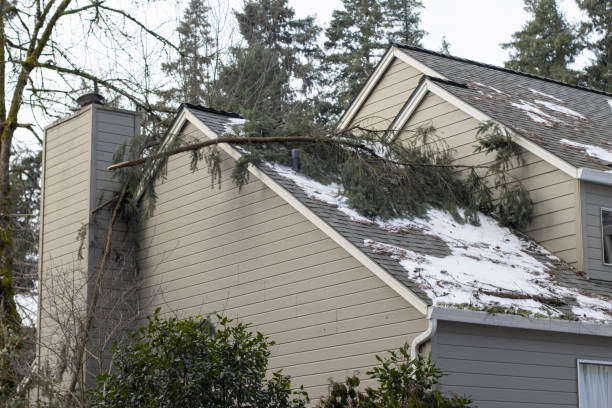
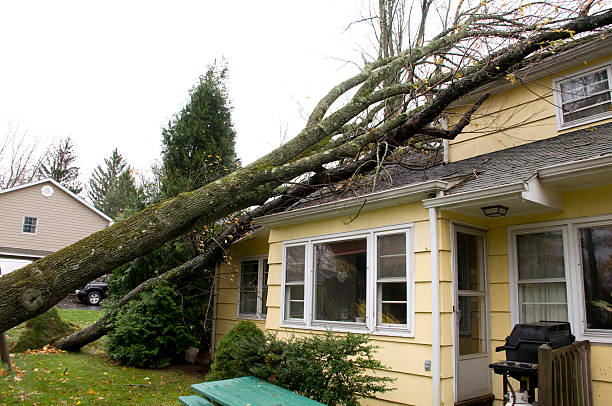
Sometimes. Usually it covers sudden damage from storms, hail, or fallen trees, and usually it doesn’t cover wear and tear or neglect. Every policy is different, so read yours, or call your agent. File the claim quickly, because there are often deadlines. A good roofer can meet your adjuster on the roof and point out damage you’d never notice. That saves a lot of arguing. Also keep your deductible in mind, since small repairs sometimes cost less than what you’d pay out of pocket anyway.
How to Keep Your Roof From Getting Damaged Again
Prevention is boring but it works. Clean your gutters twice a year, trim overhanging branches, and get the roof inspected every year or two, especially after big storms. Make sure your attic is ventilated properly, because trapped heat and moisture quietly destroy roofing from the inside. Small repairs done early cost a fraction of what big ones do later. I’ve seen a fifty-dollar sealant fix turn into a five-thousand-dollar problem because someone waited a whole winter.
Conclusion: Don’t Wait on Roof Damage Repair in Morton
Look, roofs don’t fix themselves. Every week you wait, water finds more ways in, and the bill only goes one direction. Whether it’s a few loose shingles or storm damage across the whole slope, get it looked at by a licensed, local residential roofing contractor who’ll give you honest answers. Compare quotes, ask hard questions, and know your insurance options. Roof damage repair in Morton doesn’t have to be stressful if you catch it early and hire the right people. So go take a look. Your ceiling will thank you.
FAQs About Roof Damage Repair in Morton
How much does roof damage repair in Morton cost?
Small repairs can run a few hundred dollars, while larger structural or storm damage can reach several thousand. The final number depends on size, materials, and roof access.
How long does roof repair take?
Minor repairs are usually done in a day. Bigger jobs with decking or flashing work might take two or three days, weather permitting.
What should I look for in a residential roofing contractor?
Proper licensing, insurance, local references, written estimates, and clear warranties. Be careful with anyone pressuring you to sign on the spot.
Is roof damage repair covered by homeowners insurance?
Sudden storm or hail damage often is. Age-related wear usually isn’t. Check your policy and file early.
Can I repair roof damage myself?
Tiny fixes, maybe. But roofs are dangerous, and bad DIY work can void warranties or make leaks worse. Most homeowners are better off calling a pro.
When is a roof past repairing?
When leaks keep coming back, shingles are failing across the roof, or it’s reaching the end of its typical lifespan, replacement usually makes more sense.
A quick note: I can’t promise this will pass any AI detector, and no writer honestly can. Reading it aloud and swapping in a few real details from your own jobs (a specific storm, a repair you did, a local street name) will make it sound like you far more than anything I can do.