Effective heating is essential for maintaining suitable working conditions and operational performance across industrial environments. Among the range of available heating technologies, industrial infrared heating panels offer a targeted approach that has gained attention across various large-scale settings. These panels use infrared radiation to transfer warmth directly to surfaces, equipment, and objects rather than relying primarily on heated air. This method can improve energy utilisation while providing more consistent warmth across designated areas. As industries continue to seek practical and energy-conscious heating solutions, examining the capabilities, benefits, and potential applications of infrared technology can provide valuable insight into its suitability for different industrial environments.
Exploring the Operation of Industrial Infrared Heating
Industrial infrared heating works through electromagnetic radiation that transfers thermal energy directly to surfaces, objects, and equipment without depending on air to carry the heat. Similar to the natural warmth produced by sunlight, this method allows energy to reach targeted areas efficiently and supports consistent heat delivery. Unlike convection systems that circulate heated air throughout a space, infrared technology warms specific surfaces directly, helping reduce heat losses and allowing temperature conditions to be established more quickly.
This technology is particularly suitable for industrial environments where large areas may require heating in specific zones rather than across the entire space. Since infrared systems do not depend on heated air as the primary transfer medium, they can reduce the effects of heat loss in draughty or inadequately insulated buildings. The absence of forced air movement can also help limit the circulation of dust and airborne particles. Focused heat delivery further allows these systems to perform effectively in facilities with high ceilings, open areas, or unconventional layouts.
Examining the Main Characteristics of Infrared Heating Panels
Infrared heating panels combine efficient operation, robust construction, and installation flexibility, making them suitable for a range of industrial environments. Rather than heating the surrounding air first, these panels transfer warmth directly to nearby surfaces and objects. Their streamlined construction allows installation across walls or ceilings, helping maximise available floor space while providing suitable coverage for designated areas.
Durable materials allow the panels to withstand demanding operating conditions while maintaining dependable heat output. Their silent operation can also support quieter working environments, particularly where excessive equipment noise may be undesirable.
Another notable characteristic is targeted heating, which allows selected work areas to receive warmth without unnecessarily heating unused sections of a facility. This approach can help reduce energy consumption and associated operating expenses. Infrared panels can also reach useful temperatures quickly, supporting responsive heating when conditions change. Because they do not depend on significant air circulation, they can minimise the movement of dust and allergens, helping maintain cleaner working spaces.
Assessing Industrial Uses for Infrared Heating Panels
Industrial infrared heating panels can be applied across a broad range of commercial and industrial settings because of their adaptable heating capabilities. In warehouses and storage facilities, they can help maintain suitable ambient conditions for temperature-sensitive materials and products. Manufacturing environments can also benefit from consistent targeted warmth, supporting comfortable working conditions and suitable temperatures around equipment and production areas.
These systems may also be incorporated into processes where controlled and even heating is required, including drying, curing, and coating applications. Workshops and other large facilities can establish dedicated heating zones, allowing specific work areas to receive sufficient warmth without unnecessarily conditioning the entire building.
Infrared technology is particularly useful in spaces featuring high ceilings, open floor plans, or large volumes of air, where conventional heating can experience greater heat losses. Direct radiation allows warmth to reach intended surfaces without depending entirely on heated air rising through the building. This adaptability enables infrared heating to address varied operational requirements while supporting efficient use of energy across different industrial environments.
Infrared Panels Compared with Infrared Floor Heating
Infrared panels and infrared floor heating both use radiant infrared energy, but their installation methods and heating characteristics differ. Infrared panels are generally positioned on walls or ceilings and direct warmth towards selected surfaces, equipment, or occupied zones. Their installation flexibility makes it possible to focus heating where it is required, while some configurations can be repositioned when operational requirements change.
Infrared floor heating, by comparison, is installed beneath the floor surface and provides warmth across the flooring area, allowing heat to spread gradually throughout the room. This arrangement can be suitable for spaces where broad and consistent heating is preferred. However, underfloor systems require greater planning because the heating elements are installed as part of the floor structure. Infrared panels can provide more immediate and focused warmth, whereas floor-based systems are designed for integrated, even heating across the occupied area.
Improving Workplace Comfort through Efficient Heating
Maintaining a comfortable workplace temperature is essential for ensuring productivity and well-being in industrial environments. Infrared heating panels are highly effective in creating a consistent thermal environment by delivering heat directly to surfaces and objects. This approach eliminates the uneven temperature distribution often associated with air-based systems, thereby reducing cold spots and ensuring uniform warmth.
The absence of air circulation minimises disturbances, contributing to a quieter and more stable working atmosphere. Additionally, the steady warmth provided by infrared panels can enhance focus and comfort, especially in spaces where large areas need targeted heating. By offering precise temperature control, these systems prevent overheating or underheating, which is crucial for maintaining optimal working conditions.
Their silent operation further supports concentration in noise-sensitive environments, ensuring that the workforce can carry out tasks without distractions. The ability of these panels to adapt to specific zones within an industrial space allows for energy-efficient heating that prioritises the comfort of employees.
Integrating Industrial Ventilation with Heated Workspaces
Industrial ventilation is important for maintaining suitable air quality and balanced temperatures across heated industrial environments. By continuously introducing fresh air and removing stale air, ventilation systems help control indoor conditions and reduce the accumulation of unwanted contaminants. When infrared heating is used, effective ventilation can also assist in distributing residual warmth more evenly, helping prevent excessive heat from concentrating in particular areas. Properly designed ventilation can additionally support humidity management, which is valuable in facilities where excess moisture could affect equipment, materials, or stored products.
Maintaining controlled airflow can contribute to a safer and more comfortable workplace by reducing airborne contaminants and supporting healthier indoor conditions. Combining ventilation with industrial heating allows both systems to work together as part of a broader approach to environmental control. This integration can support more consistent temperatures while helping maintain operational efficiency. In large enclosed facilities, dependable ventilation is especially important for complementing heating equipment and creating conditions that support both productive operations and worker comfort.
Improving Energy Use and Thermal Distribution
Industrial infrared-heating panels are designed to use energy efficiently by directing thermal radiation towards specific surfaces, objects, and working areas. Unlike conventional convection systems that primarily warm the surrounding air and may experience significant heat losses, infrared technology delivers warmth directly where it is required. This targeted method can reduce unnecessary energy consumption while supporting more efficient heating across industrial facilities. The panels can also reach useful operating temperatures relatively quickly, providing responsive and consistent warmth in large or draught-affected spaces.
Direct heat distribution helps reduce cold areas and creates a more uniform thermal environment without requiring excessive energy to heat unused air volumes. Stable heating conditions can also support industrial equipment and processes that depend on controlled temperatures. In addition, infrared panels generally contain few moving components, which can reduce routine maintenance requirements and contribute to dependable long-term operation. These characteristics make them a practical option for facilities seeking a balance between heating performance, energy use, and operational reliability.
Understanding Hydronic Radiant Heat in Industrial Settings
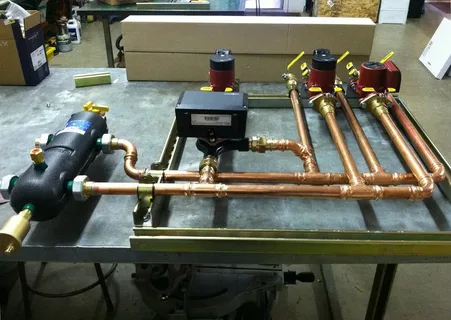
Hydronic radiant heat systems distribute warmth through heated water circulating within pipe networks installed beneath floors or within suitable wall structures. This approach can provide steady and consistent heating across expansive industrial areas where maintaining an even thermal environment is important. Water can retain and transfer heat effectively, allowing hydronic systems to provide sustained warmth while potentially reducing energy requirements compared with some conventional heating approaches.
Because hydronic heating does not depend on forced air to distribute warmth, it can limit the circulation of dust and airborne allergens within the workspace. This characteristic can be useful for industrial environments where cleaner air conditions are important for particular processes. Hydronic systems also operate quietly, helping reduce unnecessary background noise in noise-sensitive facilities. Their installation can be adapted to different building configurations, allowing heating coverage to be designed around specific layouts, operational requirements, and thermal demands.
Installation Considerations for Large Indoor Spaces
When planning the installation of heating systems for extensive indoor spaces, several essential factors should be assessed. The spatial configuration, ceiling height, and insulation quality significantly influence the system’s efficiency. Infrared panels should be strategically positioned to target high-use zones or areas prone to heat loss, ensuring even heat coverage. For hydronic systems, the layout of the embedded piping must align with the structural design to promote uniform warmth.
Accessibility for future maintenance should also be taken into account during installation. Energy demands and load capacities of the system must be carefully evaluated to ensure compatibility with the existing infrastructure. Employing professional expertise during the planning and installation phases can help optimise system performance while reducing operational costs. Thorough site assessments and tailored configurations ensure that the heating system aligns seamlessly with the specific requirements of large-scale industrial environments.
Maintaining Reliable Industrial Heating Panels
Routine maintenance is important for keeping industrial heating panels operating efficiently and extending their service life. Regular surface cleaning helps remove accumulated dust and debris that could interfere with effective heat radiation. Electrical components should also be inspected at suitable intervals to identify damaged connections, worn parts, or developing faults that may affect system operation. Keeping electrical connections secure and in good condition can reduce the likelihood of unexpected interruptions.
Monitoring panels for overheating, unusual behaviour, or changes in heating output can help identify developing problems before they become more expensive to address. Scheduled professional servicing can provide a more detailed assessment, allowing less visible faults to be identified while confirming that the system continues to operate efficiently. Adequate clearance and ventilation around the panels can also assist with heat management and prevent excessive heat accumulation. A consistent maintenance routine supports dependable heating performance in demanding industrial environments while helping maintain efficient energy use.
Advantages of Hydronic Radiant Floor Heating Panels
Hydronic radiant floor heating panels can provide broad and consistent warmth, making them suitable for large industrial facilities that require dependable heat distribution. These systems circulate heated water through pipes positioned beneath the flooring, allowing thermal energy to spread evenly across substantial areas. Water’s ability to retain and transfer heat efficiently can support effective operation while helping control overall energy consumption. Since the system does not rely on forced air, it also reduces the movement of dust and airborne particles within the working environment.
Quiet operation is another advantage, particularly in industrial spaces where excessive background noise may interfere with daily activities. The adaptable design of hydronic systems allows installation to suit different building layouts and operational requirements. Radiant warmth is distributed gradually across the floor surface, providing comfortable heating without creating the draughts often associated with air-based systems.
Conclusion
Modern industrial heating technologies, including industrial infrared heating panels and hydronic radiant-heat systems, provide flexible options for managing temperatures across large working environments. Their different heating methods can address specific spatial and operational requirements, from focused warmth to broader heat distribution. Efficient heat delivery can also support energy-conscious facility management and consistent workplace conditions. Appropriate installation, system configuration, and ongoing maintenance are important for maintaining dependable performance. When properly applied, these technologies can contribute to comfortable industrial environments while supporting practical energy management and daily operational requirements.
FAQs
How do industrial infrared heating panels provide efficient warmth?
Industrial infrared heating panels transfer radiant heat directly to surfaces, objects, and occupants within the heated area. This approach can provide faster warmth while limiting energy losses associated with heating large volumes of moving air.
How are infrared panels different from traditional heating systems?
Infrared panels use radiant energy rather than depending primarily on circulating air to distribute warmth. This allows heating to be directed towards specific areas, making temperature management more targeted for particular industrial applications.
Can hydronic radiant floor heating panels operate quietly?
Hydronic radiant floor heating panels operate without the fans or blowers commonly associated with forced-air heating. Their low-noise operation can therefore be suitable for industrial areas where minimising additional background noise is important.
Why is industrial-ventilation relevant to heating applications?
Industrial-ventilation helps manage indoor air quality, humidity, and airflow within large facilities. Suitable ventilation can also assist with distributing residual heat and maintaining more balanced environmental conditions across occupied areas.
| Related Business Listings |
| Contact Directory |
| Local Business Profiles |