A reliable air conditioning system depends on more than just the AC unit. While many homeowners focus on upgrading their air conditioner, the ductwork that distributes cool air throughout the property plays an equally important role in overall performance.
Over time, AC ducting can become outdated, damaged, poorly insulated, or inefficient. Old duct systems may develop leaks, restrict airflow, and force your air conditioner to work harder than necessary.
Choosing to Upgrade the AC ducting can improve cooling efficiency, enhance indoor comfort, reduce energy waste, and help your air conditioning system perform more effectively.
Whether you are renovating your home, experiencing uneven cooling, dealing with rising energy bills, or using an older duct system, upgrading your AC ducting can provide a long-term solution.
This complete guide explains why AC duct upgrades are important, signs your ductwork needs improvement, benefits of upgrading, the installation process, cost considerations, and how to choose the right professional service.
What Does It Mean to Upgrade the AC Ducting?
To Upgrade the AC ducting means improving or replacing existing air conditioning ductwork to enhance airflow, efficiency, and overall system performance.
AC ducts are responsible for transporting cooled air from your air conditioning unit to different rooms throughout your property. When duct systems become old or inefficient, they can reduce cooling performance and increase energy consumption.
An AC duct upgrade may involve:
- Replacing old ductwork
- Repairing damaged sections
- Improving duct insulation
- Sealing air leaks
- Redesigning duct layouts
- Increasing airflow efficiency
- Installing modern duct materials
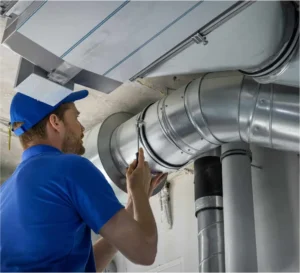
A professional technician evaluates your existing duct system and recommends upgrades based on your property size, AC system, and cooling requirements.
Why Should You Upgrade the AC Ducting?
Many cooling problems are not caused by the air conditioner itself. In many cases, inefficient ductwork is the reason for poor airflow and uneven temperatures.
Upgrading your AC ducting provides several benefits.
Improves Airflow Distribution
One of the main purposes of AC ducting is to deliver cool air evenly throughout your property.
Old or damaged ducts can cause:
- Weak airflow
- Uneven room temperatures
- Poor cooling performance
- Longer cooling cycles
An upgraded duct system helps distribute air more effectively, allowing every room to receive better airflow.
Reduces Energy Consumption
Leaking or poorly insulated ducts can waste cooled air before it reaches your rooms.
When air escapes through gaps and cracks, your AC system must operate longer to maintain comfortable temperatures.
An upgraded duct system helps:
- Reduce air loss
- Improve efficiency
- Lower cooling costs
- Reduce unnecessary energy use
Enhances Indoor Comfort
A properly designed duct system helps maintain consistent temperatures throughout your home or commercial property.
Upgraded AC ducting can reduce:
- Hot spots
- Cold areas
- Uneven airflow
- Temperature fluctuations
This creates a more comfortable indoor environment.
Extends AC System Performance
When ductwork operates efficiently, your air conditioner does not need to work as hard.
Reduced strain can help:
- Improve system reliability
- Reduce wear on components
- Support longer equipment life
Signs You Need to Upgrade the AC Ducting
Knowing the warning signs can help you determine when an upgrade is necessary.
Uneven Cooling Between Rooms
If some rooms are colder while others remain warm, your duct system may not be distributing air properly.
Possible causes include:
- Poor duct design
- Air leaks
- Damaged sections
- Incorrect duct sizing
An upgrade can improve airflow balance.
Weak Airflow From Vents
Weak airflow is one of the most common signs of duct problems.
Possible causes include:
- Blocked ducts
- Leaking connections
- Poor insulation
- Old duct materials
Upgrading the system can restore stronger airflow.
Rising Energy Bills
If your cooling costs continue increasing without major changes in usage, inefficient ductwork may be contributing to energy waste.
Damaged ducts force your AC system to work harder, increasing operating costs.
Excessive Dust Around Your Home
Old duct systems can collect dust and debris over time.
Damaged ducts may allow contaminants to circulate throughout your property.
Upgrading ductwork can improve airflow quality and reduce dust-related issues.
Noisy Airflow
Unusual sounds from your AC vents may indicate duct problems.
Common noises include:
- Whistling
- Rattling
- Air leakage sounds
- Popping noises
These issues may indicate damaged or poorly connected ducts.
Old Duct System
Older duct systems may not meet modern efficiency standards.
If your ductwork has been installed for many years, an upgrade may improve performance and reduce future maintenance needs.
Benefits of Upgrading Your AC Ducting System
Investing in an AC duct upgrade provides several long-term advantages.
Better Cooling Efficiency
Modern duct systems are designed to improve airflow and minimise air loss.
This allows your AC system to cool your property more efficiently.
Improved Temperature Control
A well-designed duct system ensures better air distribution.
You can enjoy:
- More consistent temperatures
- Improved room comfort
- Better cooling performance
Lower Maintenance Requirements
Old duct systems often require frequent repairs due to:
- Leaks
- Damage
- Poor connections
An upgraded system reduces ongoing maintenance problems.
Improved Indoor Air Quality
New duct systems with proper sealing and insulation can help reduce:
- Dust circulation
- Air leakage
- Contaminant movement
This supports a cleaner indoor environment.
Increased Property Value
An efficient HVAC system can be an attractive feature for homeowners and potential buyers.
Upgraded ducting demonstrates improved:
- Energy efficiency
- Comfort
- Building maintenance
Common AC Ducting Upgrade Options
Different properties require different upgrade solutions.
Replace Old Ductwork
Complete duct replacement may be necessary when existing ducts are severely damaged or outdated.
This option provides:
- New materials
- Better insulation
- Improved airflow design
Seal Existing Duct Leaks
Small leaks can reduce system efficiency.
Professional sealing helps prevent cooled air from escaping.
Improve Duct Insulation
Poor insulation allows temperature loss through duct walls.
Improved insulation helps maintain cooler air as it travels through the system.
Redesign Duct Layout
Some properties have poorly designed duct systems that create airflow problems.
A redesign can improve:
- Air distribution
- Cooling balance
- System efficiency
Increase Duct Capacity
If your AC system has been upgraded but the existing ducts cannot handle airflow requirements, increasing duct capacity may improve performance.
How to Upgrade the AC Ducting Process Works
Understanding the upgrade process helps homeowners prepare.
Step 1: Professional Duct Inspection
A technician evaluates your existing duct system.
They inspect:
- Duct condition
- Airflow performance
- Insulation quality
- Leakage points
- System compatibility
Step 2: Performance Assessment
The technician determines whether your current ductwork meets your cooling requirements.
They consider:
- Property size
- AC capacity
- Room layout
- Air distribution needs
Step 3: Upgrade Planning
A suitable upgrade plan is created based on inspection results.
This may include:
- Repairs
- Partial replacement
- Full duct replacement
- Insulation improvements
Step 4: Installation and Testing
After upgrades are completed, the system is tested.
Technicians check:
- Airflow performance
- Cooling distribution
- System efficiency
- Duct connections
How Much Does It Cost to Upgrade AC Ducting?
The cost to upgrade AC ducting depends on several factors, including:
- Property size
- Number of ducts
- Duct material
- Accessibility
- Level of upgrade required
- Labour requirements
Minor improvements such as sealing leaks may cost less than complete duct replacement.
A professional assessment provides the most accurate estimate based on your specific system.
Although an upgrade requires an initial investment, improved efficiency and reduced energy waste can provide long-term financial benefits.
How to Choose the Right AC Ducting Upgrade Service
Selecting an experienced professional is important for achieving effective results.
Consider these factors before hiring a service provider.
Check Experience and Expertise
Choose technicians with experience in HVAC systems and duct installation.
Look for:
- Industry knowledge
- Qualified professionals
- Experience with different AC systems
- Quality workmanship
Review Available Services
A reliable company should provide:
- Duct inspections
- AC duct repairs
- Duct replacement
- Insulation upgrades
- Airflow testing
Ask About Materials Used
Quality materials affect the performance and lifespan of your duct system.
Ask about:
- Duct types
- Insulation quality
- Installation methods
Read Customer Reviews
Customer feedback can provide information about:
- Service quality
- Reliability
- Professionalism
- Installation results
Tips to Maintain Upgraded AC Ducting
After upgrading your duct system, proper maintenance helps maintain performance.
Replace Air Filters Regularly
Dirty filters restrict airflow and reduce system efficiency.
Regular replacement helps maintain better air circulation.
Keep Vents Clear
Avoid blocking vents with furniture or objects.
Clear vents allow better airflow throughout your property.
Schedule Professional Inspections
Regular inspections help identify:
- Small leaks
- Airflow issues
- Maintenance needs
Monitor Cooling Performance
Pay attention to:
- Temperature changes
- Airflow strength
- Unusual sounds
Early detection helps prevent larger problems.
Why AC Duct Upgrades Are Important for Modern Homes
Modern homes require efficient cooling systems that provide comfort while managing energy use.
Old duct systems may limit AC performance even when using advanced air conditioning equipment.
Upgrading your AC ducting helps ensure your cooling system works efficiently by improving airflow, reducing energy loss, and creating a more comfortable indoor environment.
Conclusion
Choosing to Upgrade the AC ducting is an effective way to improve cooling efficiency, airflow performance, and indoor comfort.
Old or damaged ducts can reduce air conditioner performance and increase energy costs. A professionally upgraded duct system helps your AC operate more effectively while providing better temperature control throughout your property.
Whether you are experiencing uneven cooling, rising energy bills, weak airflow, or an ageing duct system, upgrading your AC ducting can provide a reliable long-term solution.
Working with an experienced HVAC professional ensures your duct system is properly designed, installed, and optimised for maximum performance.
FAQs About Upgrade the AC Ducting
Why should I upgrade my AC ducting?
Upgrading AC ducting improves airflow, reduces energy waste, enhances cooling efficiency, and creates more consistent indoor temperatures.
How do I know if my AC ducts need upgrading?
Common signs include weak airflow, uneven cooling, higher energy bills, excessive dust, air leaks, and an old duct system.
How long does an AC duct upgrade take?
The timeframe depends on the size of the property, duct condition, and the level of upgrade required.
Is upgrading AC ducting better than repairing old ducts?
If ducts have extensive damage or are outdated, upgrading may provide better long-term benefits than repeated repairs.
Can AC duct upgrades reduce energy bills?
Yes. Improved insulation and reduced air leakage can help your AC system operate more efficiently.
Does upgrading ductwork improve air quality?
Yes. Properly sealed and maintained duct systems can reduce dust circulation and improve airflow quality.
Can I upgrade ducting without replacing my AC unit?
Yes. AC duct upgrades can often improve the performance of an existing air conditioning system.
Should AC duct upgrades be done by professionals?
Yes. Professional installation ensures correct sizing, sealing, insulation, and airflow performance.