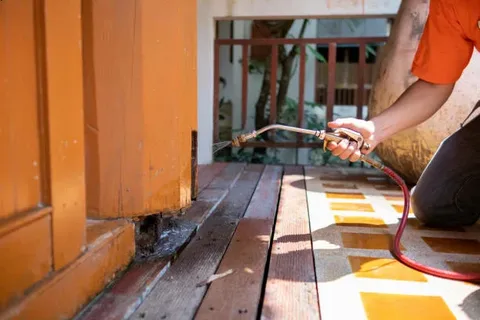
home Termite proofing
Termites, commonly called deemak, can cause damage quietly. They may remain inside soil, walls, wooden structures or other concealed areas while gradually affecting a property. By the time damaged wood becomes obvious, the problem may already require professional attention.
For homeowners in Lahore, home termite proofing service can be considered as part of property protection, particularly during construction or when a building has a history of termite activity. The most suitable approach depends on the property’s construction, surrounding soil, moisture conditions and whether the house is newly built or already occupied.
What Is Home Termite Proofing?
Termite proofing refers to measures designed to reduce the opportunity for termites to enter and establish colonies in or around a building.
It is different from simply spraying visible insects. A termite-proofing plan may focus on areas such as soil around the structure, foundations, construction joints and vulnerable wooden components.
For a new house, termite protection can often be incorporated during construction. For an existing property, the approach may involve inspection and targeted treatment of areas where termite activity or potential entry routes are identified.
Why Termite Proofing Matters in Lahore
A home’s termite risk is influenced by several conditions rather than its location alone. Moisture, soil contact, building construction and untreated wood can all be relevant.
Common areas worth checking include:
- Wooden door and window frames
- Built-in cabinets
- Flooring and wooden structures
- Areas around foundations
- Damp walls and poorly ventilated spaces
- Places where wood remains close to soil
- Gaps, cracks or construction joints that may provide access
Regular inspection is particularly useful for homeowners who have previously experienced termite activity.
Pre-Construction Termite Proofing
If a house is still being constructed, termite protection can be planned before finishing work makes certain areas difficult to access.
Construction-stage treatment may involve applying an appropriate termiticide to soil or other specified areas according to the product label and project requirements.
This stage is important because some parts of a building become inaccessible once flooring, walls and other finishes have been completed.
Homeowners building a new property in Lahore should therefore discuss termite protection with the construction team before relevant work is covered.
Termite Treatment for Existing Homes
An occupied house requires a different approach.
A professional should first inspect the property to identify signs of termite activity and possible entry points. Depending on the building, treatment may involve targeted work around foundations, floors, walls or affected wooden elements.
Simply spraying a visible wooden surface may not address concealed termite pathways.
The treatment method should therefore be selected after considering the condition and construction of the particular property.
Signs Your Home May Need Attention
You do not have to wait until extensive damage appears before investigating possible termite activity.
Look for:
- Mud tubes around walls or foundations
- Hollow-sounding wood
- Peeling or damaged wooden surfaces
- Small holes in timber
- Doors or windows becoming unusually difficult to close
- Discarded wings near windows or lights
- Wood that appears damaged without an obvious cause
These signs are not proof of termites by themselves. Moisture and other insects can also damage wood, which is why inspection is useful before treatment.
Moisture Control Is Part of Prevention
Termite proofing should not be viewed as a replacement for basic home maintenance.
Leaks, damp areas and poor drainage can create conditions that contribute to pest problems. Homeowners should regularly check bathrooms, kitchens, roofs, plumbing connections and areas around the exterior of the building.
If a wall remains damp, treating termites without addressing the moisture source may leave an important property-maintenance problem unresolved.
How to Choose a Termite Proofing Service in Lahore
When comparing a home termite proofing service in Lahore, focus on the scope of work rather than choosing solely on price.
Ask the service provider:
- Will the property be inspected before treatment?
- Which areas will be treated?
- What treatment method is being recommended?
- Which product will be used?
- What safety precautions are required?
- How long should people and pets stay away from treated areas?
- Is follow-up inspection available?
- What maintenance or monitoring is recommended afterward?
A written description of the work can also help prevent misunderstandings about which areas are included.
Safety Should Come Before Convenience
Termiticides are pest-control chemicals and should be handled according to their product labels and applicable safety instructions.
Before treatment, inform the service provider about children, pets, sensitive household areas and anyone who may need access to the property. Follow instructions about ventilation, re-entry and handling treated surfaces.
Do not apply professional-use chemicals yourself simply because they appear cheaper. The appropriate product, concentration and application method depend on the situation.
How Often Should a Home Be Checked?
There is no universal schedule that applies to every property. Inspection frequency can depend on the building’s history, construction and environmental conditions.
A house that has previously experienced termite activity may deserve closer monitoring than a property with no known history.
Homeowners can also make visual checks during routine maintenance rather than waiting until obvious damage appears.
A Simple Homeowner Checklist
Before arranging termite proofing, make a quick inspection of your property:
- Check wooden frames and cabinets for unusual damage.
- Look for mud tubes near walls or foundations.
- Inspect damp areas for signs of pest activity.
- Check for plumbing or roof leaks.
- Keep unnecessary wood and debris away from the building.
- Ask for a professional inspection if suspicious signs appear.
- Keep records of previous termite treatments.
These steps do not replace professional treatment, but they can help identify problems earlier.
FAQs
Is termite proofing only necessary for new houses?
No. New construction provides an opportunity to install preventive measures more easily, but existing homes can also be inspected and treated when necessary.
How can I tell if my house has termites?
Mud tubes, damaged or hollow wood, discarded wings and unexplained timber damage can be warning signs. However, an inspection is needed to determine whether termites are actually responsible.
Can termite proofing completely guarantee that termites will never appear?
No treatment should be considered an absolute guarantee. Building conditions can change, and new entry routes or moisture problems can develop. Inspection and property maintenance remain important.
What should I do if I find termites in wooden furniture?
Avoid assuming that treating the visible surface will solve the problem. Have the affected item and surrounding areas assessed to determine whether the activity is limited to the furniture or connected to a wider infestation.
Final Thoughts
A home termite proofing service in Lahore can be part of a broader strategy for protecting a property from termite damage. The most appropriate treatment depends on whether the home is under construction or already occupied, as well as its building design and environmental conditions.
For homeowners, the best starting point is a proper inspection. Combine professional treatment with moisture control, routine maintenance and periodic checks to reduce the chances of termite problems becoming a major repair issue.