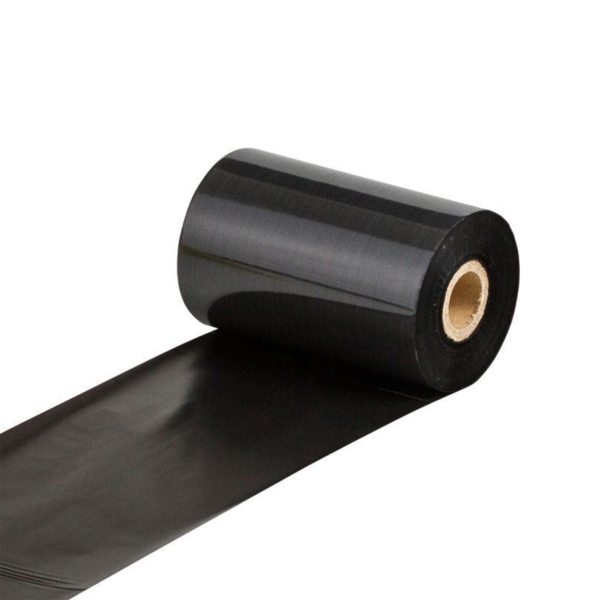
Reliable label printing is essential for businesses across industries such as retail, logistics, manufacturing, healthcare, warehousing, and product packaging. Companies need printed labels that remain clear, durable, and easy to scan throughout their lifecycle. A wax resin thermal transfer ribbon provides an effective printing solution by combining the affordability of wax ribbons with the durability of resin-based printing technology.
Thermal transfer ribbons are used with thermal transfer printers to create high-quality labels, barcodes, tags, and identification materials. Unlike direct thermal printing, thermal transfer printing uses a ribbon that transfers ink onto the label surface through heat.
Wax resin ribbons are designed to provide improved print quality and durability compared with standard wax ribbons. They are suitable for applications where labels need better resistance against moisture, abrasion, chemicals, and handling.
Choosing the right ribbon is important because different label materials, printing environments, and durability requirements require different ribbon types. Understanding how wax resin thermal transfer ribbons work helps businesses select the best solution for their printing needs.
What Is a Wax Resin Thermal Transfer Ribbon?
A wax resin thermal transfer ribbon is a printing ribbon used in thermal transfer printers to produce durable labels and barcode prints.
It combines two ink technologies:
- Wax-based ink
- Resin-based ink
The wax component provides smooth printing performance and affordability, while the resin component improves durability and resistance.
These ribbons usually consist of three layers:
- Polyester backing film
- Ink coating layer
- Protective coating
During printing, the thermal printhead applies heat to the ribbon, transferring ink onto the label material.
How Does a Wax Resin Thermal Transfer Ribbon Work?
Thermal transfer printing uses heat to transfer ink from the ribbon onto a label.
The printing process involves:
Thermal Printhead Heating
The printer applies controlled heat through the printhead.
Ink Transfer
The heat melts the wax resin coating, transferring the ink onto the label surface.
Permanent Label Creation
The printed image becomes bonded to the label material, creating clear text, barcodes, and graphics.
This process produces sharper and longer-lasting prints compared with many standard printing methods.
Why Choose Wax Resin Thermal Transfer Ribbon?
Wax resin ribbons provide a balance between performance, durability, and cost.
Better Durability Than Wax Ribbons
Standard wax ribbons are suitable for basic applications, but wax resin ribbons provide improved resistance.
They offer better protection against:
- Scratching
- Smudging
- Handling damage
- Environmental exposure
This makes them suitable for labels that require longer-lasting prints.
High-Quality Printing Results
Wax resin ribbons produce:
- Sharp text
- Clear barcodes
- Detailed graphics
- Improved image quality
This is especially important for businesses that rely on barcode scanning and product identification.
Versatile Label Compatibility
Wax resin ribbons work with a variety of label materials.
They are commonly used with:
- Paper labels
- Synthetic labels
- Coated materials
This makes them suitable for different industries.
Cost-Effective Printing Solution
Wax resin ribbons provide better durability than standard wax ribbons while remaining more affordable than full resin ribbons.
They offer a practical middle option for businesses requiring improved print performance.
Common Applications of Wax Resin Thermal Transfer Ribbon
Wax resin ribbons are used across many industries.
Barcode Label Printing
Many businesses rely on barcode labels for:
- Inventory tracking
- Product identification
- Warehouse management
Wax resin ribbons produce clear barcode prints that support accurate scanning.
Manufacturing Labels
Manufacturers use durable labels for:
- Product identification
- Component tracking
- Safety information
- Production records
Wax resin ribbons help create labels that withstand handling.
Warehouse and Logistics Applications
Warehouses require labels that remain readable during storage and transportation.
Common uses include:
- Shipping labels
- Inventory tags
- Storage labels
- Tracking information
Retail Product Labels
Retail businesses use thermal transfer printing for:
- Price tags
- Product labels
- Barcode stickers
Clear printing improves product organisation and customer experience.
Healthcare Labels
Healthcare environments require accurate identification.
Applications include:
- Patient labels
- Laboratory labels
- Medication identification
Durable printing helps maintain readability.
Chemical and Industrial Labels
Industrial environments may expose labels to:
- Moisture
- Chemicals
- Rough handling
Wax resin ribbons provide improved resistance compared with standard wax options.
Key Features of Wax Resin Thermal Transfer Ribbon
When selecting a ribbon, businesses should consider important features.
Strong Print Quality
Wax resin ribbons provide:
- Dark print output
- Sharp edges
- Consistent printing
This is important for small text and barcode applications.
Improved Resistance
The resin component improves resistance against:
- Abrasion
- Moisture
- Heat
- Chemicals
Compatibility With Different Materials
Wax resin ribbons can work with:
- Coated paper labels
- Synthetic materials
- Glossy surfaces
Smooth Printing Performance
They provide reliable printing with reduced risk of:
- Smearing
- Poor image quality
- Print inconsistencies
Benefits of Using Wax Resin Thermal Transfer Ribbon
Businesses using thermal transfer printing can gain several advantages.
Produces Long-Lasting Labels
Durable labels reduce the need for frequent replacement.
This is useful for products that require long-term identification.
Improves Barcode Reliability
Clear barcode printing helps reduce:
- Scanning errors
- Inventory mistakes
- Processing delays
Suitable for Demanding Environments
Wax resin ribbons perform well where labels experience:
- Frequent handling
- Transportation
- Storage conditions
Reduces Printing Issues
Quality ribbons help maintain:
- Consistent output
- Printer performance
- Professional appearance
Wax Resin Thermal Transfer Ribbon vs Wax Ribbon
Businesses often compare wax and wax resin ribbons.
Wax Ribbon
Advantages:
- Lower cost
- Suitable for paper labels
- Good for basic applications
Common uses:
- Shipping labels
- General inventory labels
- Retail tags
Limitations:
- Lower durability
- Less resistance to abrasion
Wax Resin Ribbon
Advantages:
- Better durability
- Improved print quality
- Higher resistance
Suitable for:
- Industrial labels
- Product identification
- Longer-lasting applications
Wax Resin Thermal Transfer Ribbon vs Resin Ribbon
Wax resin and resin ribbons provide different performance levels.
Wax Resin Ribbon
Benefits:
- Balanced cost and durability
- Suitable for many label materials
- Good print quality
Resin Ribbon
Benefits:
- Maximum durability
- Strong chemical resistance
- Excellent performance on synthetic materials
Resin ribbons are typically used for specialised applications requiring extreme resistance.
How to Choose the Right Wax Resin Thermal Transfer Ribbon
Selecting the correct ribbon depends on several factors.
Consider Label Material
Different materials require different ribbon types.
Common combinations include:
- Paper labels with wax resin
- Synthetic labels with stronger ribbon options
Check Printer Compatibility
Ensure the ribbon matches your thermal transfer printer.
Consider:
- Ribbon size
- Core size
- Ink side orientation
- Printer specifications
Evaluate Environmental Conditions
Consider where the label will be used.
Important factors include:
- Temperature
- Moisture exposure
- Chemical contact
- Handling frequency
Choose the Correct Ribbon Size
Ribbon selection depends on:
- Label width
- Printer capacity
- Printing requirements
Industries That Benefit From Wax Resin Thermal Transfer Ribbon
Many industries rely on durable thermal printing solutions.
Logistics Industry
Shipping and tracking operations require readable labels throughout transportation.
Manufacturing Industry
Manufacturers use durable labels for product tracking and identification.
Healthcare Industry
Healthcare facilities need accurate labels for safety and organisation.
Retail Industry
Retail businesses use labels for inventory and product management.
Food Industry
Food businesses require labels that remain readable during storage and handling.
How to Improve Thermal Transfer Printing Performance
Businesses can improve printing results by following best practices.
Use Quality Labels
The label material affects print quality.
High-quality labels provide:
- Better adhesion
- Clearer printing
- Improved durability
Maintain Printer Equipment
Regular maintenance helps prevent:
- Print quality issues
- Ribbon damage
- Printer downtime
Store Ribbons Properly
Thermal transfer ribbons should be stored in:
- Cool environments
- Dry conditions
- Original packaging
Proper storage helps maintain performance.
Common Mistakes When Buying Wax Resin Thermal Transfer Ribbon
Businesses should avoid common purchasing mistakes.
Choosing Based Only on Price
The cheapest ribbon may not provide suitable performance.
Consider:
- Print requirements
- Label durability
- Operating conditions
Selecting the Wrong Ribbon Type
Using an unsuitable ribbon can cause:
- Poor print quality
- Reduced durability
- Wasted materials
Ignoring Printer Compatibility
Always confirm ribbon specifications before purchase.
Buying Wax Resin Thermal Transfer Ribbon Wholesale
Many businesses purchase ribbons in bulk.
Wholesale purchasing provides benefits such as:
Lower Costs
Bulk orders often reduce the price per ribbon.
Reliable Supply
Maintaining stock helps avoid printing interruptions.
Easier Inventory Management
Businesses can plan purchases based on usage patterns.
FAQs About Wax Resin Thermal Transfer Ribbon
What is a wax resin thermal transfer ribbon?
A wax resin thermal transfer ribbon is a printing ribbon that combines wax and resin-based ink technology to create durable labels, barcodes, and identification prints using thermal transfer printers.
What is a wax resin ribbon used for?
Wax resin ribbons are used for barcode printing, product labels, inventory tags, shipping labels, manufacturing identification, and applications requiring improved durability.
Is wax resin ribbon better than wax ribbon?
Wax resin ribbon provides better durability and resistance than standard wax ribbon while maintaining a reasonable cost, making it suitable for more demanding applications.
Can wax resin ribbons print on synthetic labels?
Yes. Wax resin ribbons can be used with some synthetic and coated label materials depending on the application and printer compatibility.
Which industries use wax resin thermal transfer ribbons?
Industries such as manufacturing, logistics, healthcare, retail, warehousing, and food production commonly use wax resin ribbons.
How long do thermal transfer ribbon prints last?
Print durability depends on label material, environmental conditions, and usage. Wax resin ribbons generally provide longer-lasting prints than standard wax ribbons.
Are wax resin ribbons compatible with all printers?
No. Compatibility depends on printer specifications, ribbon size, core type, and ink orientation.
How should thermal transfer ribbons be stored?
Store ribbons in a cool, dry environment away from direct sunlight, moisture, and extreme temperatures.
Can businesses buy wax resin ribbons wholesale?
Yes. Many suppliers offer bulk purchasing options for businesses with regular thermal printing requirements.
Final Thoughts
Choosing the right wax resin thermal transfer ribbon helps businesses produce clear, durable, and reliable labels for a wide range of applications.
With improved resistance, strong print quality, and flexible usage options, wax resin ribbons provide an effective solution between standard wax ribbons and premium resin ribbons.
Whether used in logistics, manufacturing, healthcare, retail, or warehousing, selecting a high-quality ribbon from a trusted supplier helps businesses maintain efficient printing operations and professional label quality.