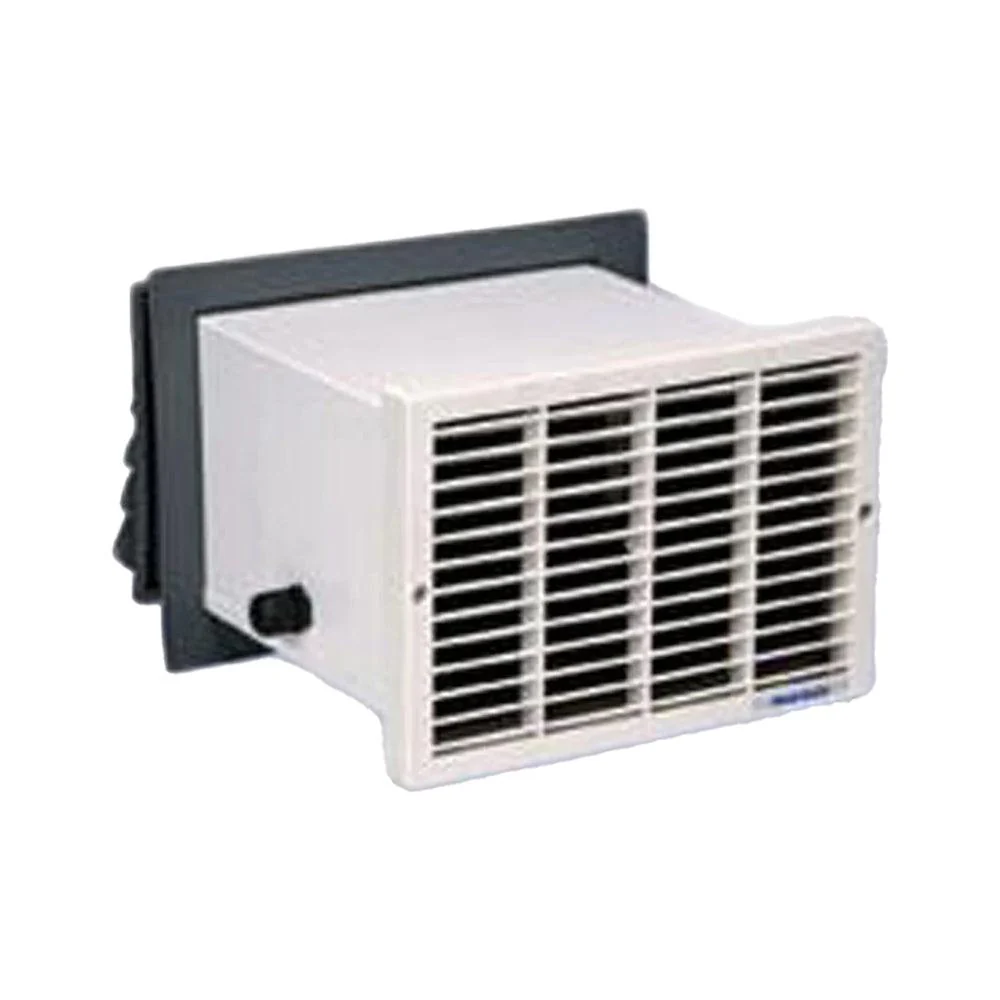
Single room HRV systems represent an innovative approach to maintaining indoor comfort while reducing energy consumption. These systems function by extracting heat from outgoing air and transferring it to incoming fresh air, ensuring a continuous flow of ventilated air without significant heat loss. Designed for individual spaces, they are particularly effective in enhancing air quality and maintaining consistent temperatures in areas where full-scale ventilation systems might be impractical. By focusing on specific rooms, they enable tailored environmental control, contributing to both energy efficiency and occupant well-being. Such systems are increasingly valued in modern building design, as they align with sustainability goals and provide practical solutions for improving indoor environments in a cost-effective and efficient manner.
How Single-Room Heat Recovery Works?
Single-room heat recovery systems function by using a heat exchanger to transfer thermal energy from outgoing air to incoming fresh air. This process ensures that while stale air is expelled, warmth is retained within the room, reducing the need for supplementary heating. Airflow is managed through a balanced ventilation mechanism, which helps maintain a consistent indoor environment. The system operates quietly and efficiently, enabling continuous air exchange without significant energy loss.
Advanced designs often include multiple speed settings and sensors to adjust airflow based on specific conditions, ensuring optimal performance. This technology supports maintaining a comfortable and energy-efficient indoor climate, particularly in spaces where individual temperature control and air quality are prioritised.
Benefits of Single-Room Heat Recovery Ventilators
Single-room heat recovery ventilators contribute significantly to creating a healthier indoor environment by promoting continuous air exchange. This process helps to regulate humidity levels, which can minimise issues such as condensation and mound growth. By maintaining a balanced indoor climate, these systems enhance overall comfort without compromising energy efficiency.
Additionally, they assist in reducing heating costs by conserving warmth that would otherwise be lost during ventilation. Their targeted design ensures effective operation in individual rooms, offering precise control over air quality and temperature. These systems are particularly suited for spaces where independent climate regulation is required, making them an ideal choice for enhancing both functionality and energy conservation in modern building design.
Features of Small Heat Recovery Ventilator
Small heat recovery ventilator incorporate advanced designs that prioritise both functionality and adaptability. These compact units are engineered to fit seamlessly into limited spaces while maintaining high performance levels. They are typically equipped with sophisticated heat exchangers that facilitate efficient energy transfer, minimising thermal loss during air exchange. Many models include adjustable airflow settings, enabling them to cater to specific room requirements.
Additionally, their compact construction makes them well-suited for retrofitting in older buildings or integrating into modern architectural designs. Quiet operation and low energy consumption further enhance their practicality, ensuring they deliver effective ventilation without causing disturbances. Their ability to maintain air quality and regulate temperature within confined spaces makes them a preferred choice for targeted applications.
Installation Process of Single-Room HRV Units
The installation process for single-room HRV units typically begins with identifying the most effective placement to optimise airflow and heat recovery. Proper wall penetration is created to ensure balanced air intake and exhaust. The unit is then securely mounted, and ducting or external grilles are installed to facilitate air exchange. Wiring is connected to integrate the system with electrical circuits, following safety standards.
Insulation around ducts and sealing of gaps are essential to prevent energy losses or drafts. Installers often evaluate factors such as room size, ventilation needs, and accessibility for future maintenance. Ensuring the unit complies with building regulations and ventilation guidelines is a critical step in achieving optimal operational efficiency.
Maintenance of Single Room HRV Units
Regular maintenance is crucial to ensure single room HRV units operate effectively and maintain optimal air quality. Key tasks include inspecting and cleaning filters to prevent airflow obstructions and improve performance. Ducts and ventilation pathways should be checked for blockages or dust accumulation that might hinder efficiency. Mechanical components, such as fans, require periodic inspection to ensure they are functioning correctly and without excessive wear.
Some units may include sensors or indicators to alert when maintenance is due, aiding in timely upkeep. It is also important to examine the unit’s casing and seals to ensure no air leaks compromise its efficiency. Proper servicing not only sustains performance but also enhances the unit’s longevity and energy-saving capabilities.
Cost Implications of Single Room Heat Recovery
The financial considerations of single room heat recovery systems include both upfront expenses and long-term savings. Initial costs may vary depending on the complexity of the system and installation requirements, but these are often balanced by reduced energy expenditures over time. By retaining heat that would otherwise be lost during ventilation, these systems decrease the reliance on supplementary heating, leading to lower utility bills.
They provide a cost-efficient solution for enhancing energy performance in individual spaces without necessitating the extensive infrastructure of larger, centralised systems. Furthermore, their targeted application minimises energy waste by focusing on specific areas, ensuring resources are utilised effectively. This approach aligns with broader objectives of achieving energy efficiency and reducing operational costs.
Environmental Impact of Using Single-Room HRV
Single-room HRV systems play a significant role in fostering sustainable indoor environments by reducing energy usage through effective heat recovery. By capturing and reusing heat from outgoing air, they minimise the need for additional heating, thus lowering overall energy demand. This reduction directly contributes to decreasing greenhouse gas emissions associated with energy production.
Furthermore, their ability to maintain optimal air quality and humidity levels without energy-intensive equipment supports environmentally conscious building practices. These systems align with global efforts to enhance energy efficiency and promote sustainable living, offering an effective way to meet both modern comfort requirements and ecological goals. Their implementation reflects a growing emphasis on environmentally responsible design in residential and commercial spaces.
Technological Advancements in Small HRV Units
Ongoing innovations in small HRV units have led to improvements in their overall functionality and efficiency. Developments in sensor technology now allow these systems to adapt airflow rates automatically based on changing indoor conditions, enhancing energy savings and air quality management. Enhanced insulation materials are being utilised to further minimise heat loss during the recovery process. Moreover, compact and modular designs have been introduced, making installation more flexible and suitable for various building layouts.
Advances in motor technology have resulted in quieter operation, ensuring minimal disturbance in living or working environments. These technological strides reflect a commitment to creating more efficient and adaptable solutions, aligning with modern requirements for ventilation and energy conservation in compact spaces.
Common Applications of Single Room Heat Recovery Ventilator
A single room heat recovery ventilator is frequently utilised in environments where efficient air exchange and temperature control are prioritised. In residential settings, they are often installed in areas like bathrooms, kitchens, or bedrooms to manage humidity levels and maintain comfortable conditions. In commercial contexts, these units are particularly beneficial in confined spaces such as small offices, consultation rooms, or specialised storage areas where maintaining air quality is essential.
Their ability to function independently makes them suitable for retrofitting projects and properties where comprehensive ventilation systems are impractical. By focusing on specific zones, these ventilators effectively address ventilation challenges without disrupting surrounding areas, offering a tailored approach to improving indoor environments across various applications.
Comparison between Single Room and Centralised Systems
Single-room heat recovery systems are designed to focus on individual spaces, allowing precise control over ventilation and temperature, which can be advantageous in areas requiring specific climate management. Their compact design often makes them easier and faster to install, particularly in existing buildings or spaces with limited ventilation infrastructure.
Centralised systems, on the other hand, are better suited for larger buildings or newly constructed properties, where comprehensive air management across multiple zones is required. While centralised systems offer broader coverage, single room solutions provide flexibility and cost efficiency for targeted applications, accommodating diverse needs based on building size and usage.
Energy Efficiency Standards for HRV Units
Energy efficiency standards for HRV units are established to ensure optimal performance and reduced energy consumption. These standards often specify requirements such as minimum heat recovery efficiency and low power usage, promoting sustainability in ventilation systems. Certification labels and energy ratings provide a clear indication of compliance with these regulations, enabling informed choices when selecting systems.
Adherence to these standards not only supports environmental goals but also aligns with modern building codes and energy conservation policies. Technological advancements continue to drive improvements in efficiency, ensuring that HRV units contribute to energy-saving practices while maintaining high levels of indoor air quality.
Future Trends in Vented Thermal Systems
Advancements in vented thermal systems are increasingly focusing on integration with renewable energy sources, enhancing sustainability and reducing reliance on traditional power grids. Innovations in compact designs are enabling broader applications, particularly in urban environments with limited space. The incorporation of advanced sensors and AI technology is improving system responsiveness, allowing for real-time adjustments to maximise energy efficiency.
Additionally, the development of recyclable and environmentally friendly materials is anticipated to further support eco-conscious construction and ventilation practices in the coming years.
Conclusion
Single-room heat recovery ventilators and single room HRV provide an efficient, practical solution for improving indoor air quality while conserving energy across Australian homes and commercial properties. By transferring heat from outgoing stale air to incoming fresh air, these compact systems maintain comfortable indoor temperatures and regulate humidity levels without significant thermal loss. Their targeted, room-specific operation offers independent climate control, making them particularly suitable for retrofitting existing spaces or addressing high-moisture zones. Coupled with quiet performance, low maintenance requirements, and simple wall installation, small HRV units deliver an economical, environmentally responsible approach to modern ventilation.
FAQs
How does a single room HRV unit differ from a centralised ventilation system?
A single room HRV unit focuses on ventilating an individual space, operating independently through a direct wall penetration. Centralised systems require extensive ductwork to serve an entire property. Single room models offer flexible, targeted ventilation, lower upfront installation costs, and easier retrofitting, making them ideal for specific rooms needing enhanced air quality across Australia.
Can a small heat recovery ventilator help prevent condensation and mound growth?
Yes, a small HRV unit continuously exchanges moist, stale indoor air with fresh, filtered outdoor air. By regulating humidity levels, it significantly reduces condensation on windows and cold surfaces. This continuous ventilation removes excess moisture, preventing mound spores from settling and improving overall indoor health in residential or commercial settings.
What regular maintenance is required for a small HRV unit?
Maintenance involves inspecting and cleaning or replacing the air filters every few months to ensure proper airflow. The heat exchanger core and external grilles should be checked periodically for dust build-up or blockages. Keeping mechanical components clean preserves heat recovery efficiency, quiet operation, and system longevity over years of continuous use.
Are single-room HRV unit’s energy efficient to run continuously?
Single-room HRV units use low-wattage, energy-efficient motors designed for continuous operation. By recovering up to 80 percent or more of the heat from outgoing air, they minimise the energy needed to warm incoming fresh air. This thermal retention significantly reduces heating costs, offsetting the minimal electricity required to run the unit.
Is professional installation necessary for a single-room HRV unit?
Professional installation is strongly recommended to ensure proper wall core drilling, weather-tight sealing, and safe electrical wiring compliance. Qualified technicians evaluate room dimensions and wall placement to optimise balanced airflow. Correct installation prevents thermal bridging, air leaks, and operational noise, guaranteeing maximum energy efficiency and safety for property owners.
| Related Business Listings |
| Contact Directory |
| Local Business Profiles |