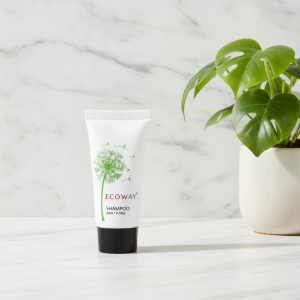
Hotel guests notice the small details. A comfortable bed, clean bathroom, fresh towels, and quality toiletries all contribute to how they remember their stay. Among these essentials, shampoo is one of the most frequently used bathroom amenities. A well-selected product can improve the guest experience while helping hotels maintain consistent quality across rooms.
Finding the right hotel shampoo supply is therefore more than simply ordering bottles in bulk. Hotels need to consider product quality, packaging, fragrance, ingredients, guest preferences, sustainability, storage, cost, and reliable delivery. The right supplier should also be able to provide consistent stock when occupancy changes or a busy season increases demand.
Whether you operate a boutique hotel, luxury resort, serviced apartment, motel, guesthouse, or larger accommodation group, choosing suitable shampoo can help create a more polished bathroom experience.
This guide explains what hotels should consider when sourcing shampoo, how to select the right products, packaging options, bulk purchasing, sustainability, private-label opportunities, storage, supplier selection, and common questions about hotel shampoo supplies.
What Is Hotel Shampoo Supply?
Hotel shampoo supply refers to the sourcing, manufacturing, packaging, distribution, and delivery of shampoo products intended for accommodation businesses.
Unlike household shampoo, hotel shampoo is often purchased in larger quantities and designed specifically for hospitality environments.
Products may include:
- Individual shampoo bottles
- Mini shampoo containers
- Wall-mounted shampoo dispensers
- Shampoo and conditioner combinations
- Refillable bulk systems
- Luxury hotel shampoo
- Eco-friendly shampoo
- Private-label shampoo
- Travel-size toiletries
- Shampoo amenity sets
The right option depends on the hotel’s brand, guest expectations, bathroom design, budget, and sustainability goals.
Why Quality Hotel Shampoo Matters
Bathroom amenities may seem like a small part of the hotel experience, but guests interact with them directly.
A shampoo that feels pleasant, smells fresh, and is easy to use can create a better impression than a poorly presented or low-quality product.
Quality hotel shampoo can contribute to:
- Guest satisfaction
- Brand perception
- Bathroom presentation
- Overall comfort
- Positive reviews
- Consistent guest experience
Hotels do not necessarily need the most expensive shampoo.
The product should instead match the positioning of the property.
A luxury resort may select premium formulations and elegant packaging, while a budget hotel may prioritise practicality, value, and reliable bulk supply.
Types of Hotel Shampoo
Hotels have several options when selecting shampoo for guest bathrooms.
Individual Shampoo Bottles
Small bottles are a traditional hotel amenity.
They are convenient for guests and can be branded with the hotel’s logo or supplied with a generic hospitality design.
Individual bottles can work well for hotels that want guests to take the product home or prefer a traditional bathroom setup.
Wall-Mounted Dispensers
Dispensers can provide shampoo without requiring a new plastic bottle for every guest.
They can be installed in showers or near bathroom facilities.
Many hotels use dispensers as part of a waste-reduction strategy.
Refillable Shampoo Containers
Refillable systems allow staff to replenish dispensers rather than replacing individual bottles.
They can reduce packaging waste and may simplify inventory management.
Shampoo and Conditioner Sets
Some hotels provide separate shampoo and conditioner products.
Others use combination products designed to simplify the bathroom amenity range.
The choice depends on guest expectations and hotel positioning.
Choosing Shampoo for Different Hotel Types
Not every hotel needs the same shampoo.
Luxury Hotels
Luxury properties may look for premium fragrances, elegant packaging, high-quality ingredients, and a more distinctive guest experience.
Packaging can be an important part of the presentation.
Boutique Hotels
Boutique properties often use amenities to reinforce their brand identity.
A distinctive fragrance, custom label, or locally inspired product can complement the hotel’s overall concept.
Budget Hotels
Budget properties may prioritise affordability, reliability, ease of use, and consistent bulk availability.
Resorts
Resorts may require larger quantities because guests can spend more time using hotel facilities.
Products may also need to suit pool, spa, and beach environments.
Serviced Apartments
Serviced apartments may use larger bottles or dispensers because guests often stay longer and may use more product during their visit.
What Should You Look for in Hotel Shampoo?
Choosing a suitable product requires more than comparing prices.
Consider the following factors.
Formula
The shampoo should provide a pleasant washing experience and be suitable for a broad range of guests.
Fragrance
Fragrance has a strong influence on how guests perceive a bathroom product.
A clean, subtle scent may be appropriate for a wide guest audience.
Packaging
Packaging should be practical, attractive, easy to open, and appropriate for the hotel’s brand.
Size
Choose a bottle size based on room type, occupancy, guest expectations, and replenishment frequency.
Ingredients
Hotels may want products formulated without specific ingredients depending on their brand positioning and guest preferences.
Consistency
A supplier should be able to provide the same product and formulation consistently.
Hotel Shampoo Supply and Bulk Purchasing
Hotels usually need shampoo in quantities much larger than an individual consumer.
Bulk purchasing can help simplify procurement and potentially reduce the unit cost.
Before placing a large order, consider:
- Minimum order quantities
- Price per unit
- Shipping costs
- Lead time
- Storage requirements
- Shelf life
- Packaging
- Product consistency
- Reorder process
The cheapest unit price is not always the lowest overall cost.
For example, if a product has high shipping costs, excessive packaging, or unreliable availability, savings on the initial purchase may disappear later.
How to Calculate Hotel Shampoo Requirements
Hotels should estimate product requirements based on actual usage rather than simply ordering according to the number of rooms.
Consider:
- Number of rooms
- Average occupancy
- Average length of stay
- Number of bathrooms
- Shampoo quantity per room
- Replacement frequency
- Dispenser capacity
- Seasonal occupancy
- Backup stock
For example, a hotel with high occupancy may require considerably more shampoo during holiday periods than during quieter months.
Maintaining safety stock can help prevent shortages.
Hotel Shampoo Supply for Large Hotels
Large properties need reliable procurement systems.
A shortage of bathroom amenities can create unnecessary work for housekeeping teams and negatively affect guest experience.
Large hotels should consider working with suppliers that can support recurring orders and larger volumes.
Useful supplier features may include:
- Scheduled deliveries
- Consistent product availability
- Bulk packaging
- Multiple product formats
- Custom branding
- Account management
- Clear lead times
- Emergency or expedited ordering options
Forecasting demand can also help the hotel avoid last-minute purchasing.
Private Label Hotel Shampoo
Private-label shampoo allows hotels to offer products under their own branding.
The packaging can include:
- Hotel logo
- Brand colours
- Product name
- Hotel messaging
- Ingredient information
- Usage instructions
Private-label amenities can create a more customised guest experience.
They can be particularly useful for boutique hotels, resorts, hotel groups, and accommodation brands that want their toiletries to feel distinctive.
Before choosing private label, ask about minimum quantities, formulation options, packaging choices, lead times, and artwork requirements.
Branded vs Generic Hotel Shampoo
Both branded and generic products can work in hospitality.
Branded Shampoo
Using a recognised consumer brand can provide familiarity for guests.
It may also support a premium bathroom presentation.
However, branded products can cost more and may offer less flexibility in packaging.
Generic or Hospitality Shampoo
Hospitality-focused products can be designed specifically for hotel use.
They may offer flexible packaging, bulk formats, and competitive pricing.
The right choice depends on the hotel’s budget and brand strategy.
Sustainable Hotel Shampoo Supply
Sustainability has become an important consideration for many hospitality businesses.
Hotels can reduce packaging waste by considering refillable dispensers, larger containers, recyclable packaging, or other suitable alternatives.
Potential strategies include:
- Refillable shampoo dispensers
- Reduced packaging
- Recyclable containers
- Larger refill bottles
- Concentrated formulations
- Responsible sourcing
- Reduced single-use plastic
Sustainability claims should be supported by accurate product information.
Hotels should also consider the entire supply chain rather than focusing on packaging alone.
Hotel Shampoo Dispensers vs Mini Bottles
The choice between dispensers and mini bottles depends on the hotel’s operational and guest-experience priorities.
Advantages of Dispensers
Dispensers can:
- Reduce packaging
- Simplify replenishment
- Support waste reduction
- Provide larger quantities
- Reduce the number of individual bottles required
Advantages of Mini Bottles
Individual bottles can:
- Create a traditional hotel experience
- Be easy to replace
- Provide convenient portion sizes
- Support custom branding
- Give guests a take-home amenity
Some hotels use a combination of formats depending on room category.
Fragrance Selection for Hotel Shampoo
Fragrance is an important part of the bathroom experience.
Hotels should generally consider scents that are pleasant without being overpowering.
Popular directions can include:
- Fresh
- Citrus
- Herbal
- Floral
- Woody
- Clean and subtle
Luxury properties may choose signature fragrances to reinforce their brand identity.
When selecting a fragrance, remember that guests have different preferences.
A strong scent that appeals to one person may be unpleasant to another.
Hotel Shampoo Ingredients
Guests increasingly pay attention to product ingredients.
Hotels may want to consider formulations based on their target audience and brand positioning.
Potential considerations include:
- Moisturising ingredients
- Plant-derived ingredients
- Fragrance preferences
- Specific ingredient exclusions
- Sensitive-skin positioning
- Vegan formulations
- Cruelty-free claims
Claims should always be accurate and supported by appropriate product documentation.
Hotels should also provide clear ingredient information on packaging where required.
Hotel Shampoo Supply and Guest Experience
The guest experience does not begin and end with the bed.
Bathrooms are important touchpoints.
Guests may judge the quality of a hotel by details such as:
- Cleanliness
- Towels
- Toiletries
- Fixtures
- Lighting
- Water pressure
- Bathroom presentation
- Product availability
A well-presented shampoo bottle or dispenser can contribute to the perception that the hotel pays attention to detail.
For premium properties, toiletries can become part of the overall brand experience.
How to Manage Hotel Shampoo Inventory
Good inventory management helps prevent both shortages and unnecessary overstock.
Housekeeping teams should track usage regularly.
Monitor:
- Opening stock
- Weekly consumption
- Monthly consumption
- Seasonal changes
- Damaged products
- Expired products
- Reorder quantities
- Supplier lead times
A simple inventory system can make procurement much easier.
Hotels with multiple locations may benefit from centralised purchasing and standardised product ranges.
Storing Hotel Shampoo Correctly
Proper storage can help maintain product quality.
Store shampoo in a suitable, clean, dry environment away from excessive heat and direct sunlight.
Avoid storing products where containers may be damaged or exposed to unsuitable temperatures.
Keep stock organised using a first-in, first-out approach where appropriate.
This helps staff use older stock before newer deliveries.
Hotel Shampoo Supply for Housekeeping Teams
Housekeeping staff use and replenish bathroom amenities every day.
Products should therefore be easy to handle and store.
A good hotel shampoo supply system should make it easy for housekeeping teams to:
- Identify products
- Refill dispensers
- Replace bottles
- Track inventory
- Store backup stock
- Maintain consistent room presentation
Clear packaging and standardised product sizes can simplify housekeeping operations.
Common Hotel Shampoo Supply Mistakes
Choosing Only by Price
Low-cost shampoo may not provide the guest experience you want.
Ordering Too Much
Excessive inventory can tie up storage space and capital.
Ordering Too Little
Running out of shampoo creates unnecessary operational pressure.
Ignoring Packaging
Packaging affects bathroom presentation and ease of use.
Selecting an Overpowering Fragrance
Strong fragrance can be unpleasant for some guests.
Changing Products Frequently
Constant product changes can create inconsistency and confuse housekeeping teams.
Failing to Check Lead Times
A supplier may require several weeks to produce or deliver custom-branded products.
How to Choose a Hotel Shampoo Supplier
Choosing the right supplier is one of the most important parts of hotel shampoo supply.
Consider the supplier’s:
- Product quality
- Hospitality experience
- Minimum order quantities
- Delivery capability
- Pricing
- Packaging options
- Private-label services
- Product consistency
- Lead times
- Customer support
- Sustainability options
Ask for samples before committing to a large order.
Testing the product in actual hotel bathrooms can help you evaluate fragrance, packaging, usability, and guest suitability.
Questions to Ask Your Hotel Shampoo Supplier
Before placing an order, ask:
- What shampoo formats do you offer?
- Are products available in bulk?
- Can the packaging be customised?
- What are the minimum order quantities?
- What is the typical lead time?
- Can you provide product samples?
- What are the storage requirements?
- How long is the product shelf life?
- Are refillable dispensers available?
- Can you maintain consistent supply?
- Do you offer matching conditioner and body wash?
- Can you provide ingredient information?
- What sustainability options are available?
- What happens if an item becomes temporarily unavailable?
Clear answers can help prevent supply problems later.
Matching Shampoo With Other Hotel Amenities
Hotels often provide shampoo alongside other bathroom products.
A coordinated amenity collection may include:
- Conditioner
- Body wash
- Hand wash
- Body lotion
- Soap
- Shower caps
- Dental kits
- Shaving kits
Using complementary packaging and fragrance profiles can create a more cohesive bathroom presentation.
For example, a hotel may choose one fragrance collection across shampoo, conditioner, and body wash.
How to Improve Your Hotel Shampoo Supply Strategy
A strong supply strategy should balance guest experience, operational efficiency, and cost.
Start by analysing current usage.
Then identify which products guests use most frequently.
Review supplier performance regularly.
Look at:
- Delivery reliability
- Product quality
- Price changes
- Stock availability
- Customer service
- Guest feedback
- Housekeeping feedback
If a product consistently receives positive feedback and is easy for staff to manage, standardising it may simplify future procurement.
Hotel Shampoo Supply: Final Thoughts
A reliable hotel shampoo supply is an important part of hotel operations and guest experience.
The right shampoo should match your property’s positioning, budget, bathroom design, sustainability goals, and guest expectations.
Luxury hotels may prioritise premium formulations and elegant presentation, while budget accommodation may focus more heavily on value and practical bulk purchasing. Boutique hotels may benefit from private-label products that reinforce their unique identity.
Packaging is another important decision. Individual bottles offer a familiar hotel experience, while dispensers and refillable systems can help reduce packaging waste and simplify replenishment.
When choosing a supplier, look beyond the unit price. Product consistency, lead times, minimum order quantities, packaging, storage requirements, customer support, and reliable availability all influence the true value of a supply relationship.
It is also important to manage inventory carefully. Maintaining enough stock for normal occupancy and seasonal demand can prevent last-minute shortages without creating unnecessary excess inventory.
Before committing to a large order, request samples and test the products in actual guest rooms. Consider fragrance, packaging, ease of use, formula, and how well the product fits your hotel’s overall presentation.
A thoughtful approach to hotel shampoo sourcing can help create a consistent bathroom experience while making procurement easier for housekeeping and management teams.
Frequently Asked Questions
What is hotel shampoo supply?
Hotel shampoo supply refers to sourcing and providing shampoo products specifically for hotels and other accommodation businesses. Products can include mini bottles, bulk containers, refillable dispensers, private-label shampoo, and hospitality amenity sets.
What type of shampoo is best for hotels?
The best shampoo depends on the hotel’s brand, guest expectations, budget, room type, and sustainability goals. Hotels should consider formula, fragrance, packaging, usability, and reliable availability.
Can hotels buy shampoo in bulk?
Yes. Hospitality suppliers commonly provide shampoo in bulk formats or larger quantities. Bulk purchasing can simplify procurement and may reduce the cost per unit.
How much shampoo does a hotel need?
Requirements depend on the number of rooms, occupancy, length of stay, shampoo format, guest usage, and replenishment schedule. Hotels should analyse actual consumption and maintain appropriate backup stock.
Are hotel shampoo dispensers better than mini bottles?
Neither option is universally better. Dispensers can reduce packaging waste and simplify replenishment, while mini bottles provide individual portions and a traditional hotel amenity experience.
Can hotel shampoo be private labelled?
Yes. Many hospitality suppliers offer private-label options that allow hotels to customise packaging and present shampoo under their own brand.
What should I consider when choosing hotel shampoo?
Consider the formula, fragrance, packaging, size, ingredients, guest expectations, sustainability, cost, supplier reliability, shelf life, and minimum order quantities.
How can hotels reduce shampoo packaging waste?
Hotels can consider refillable dispensers, larger refill containers, recyclable packaging, concentrated products, and other suitable waste-reduction strategies.
How should hotel shampoo be stored?
Store shampoo in a clean, dry, suitable environment away from excessive heat and direct sunlight. Follow the manufacturer’s storage recommendations and organise stock to support appropriate inventory rotation.
How can hotels avoid running out of shampoo?
Track consumption, monitor occupancy, maintain safety stock, and understand supplier lead times. Ordering according to actual usage patterns can make inventory management more predictable.
Can hotels order matching shampoo and conditioner?
Yes. Hospitality suppliers may offer coordinated shampoo, conditioner, body wash, hand wash, and lotion collections with matching packaging or fragrances.
Is expensive hotel shampoo always better?
Not necessarily. The right product should match the hotel’s positioning and guest expectations. A moderately priced product can be appropriate if it provides good quality, attractive presentation, and reliable supply.
Should hotels test shampoo before buying in bulk?
Yes. Requesting samples allows hotel managers and housekeeping teams to assess the fragrance, formula, packaging, usability, and overall suitability before placing a large order.
What questions should I ask a hotel shampoo supplier?
Ask about minimum order quantities, pricing, samples, lead times, packaging options, shelf life, storage, ingredient information, private labelling, sustainability options, and product availability.
Can hotel shampoo be suitable for different hair types?
A hospitality shampoo intended for a broad guest audience should be selected carefully for usability and general suitability. Hotels should avoid making specific performance or suitability claims unless supported by the product’s formulation and documentation.
How often should hotels reorder shampoo?
There is no universal reorder schedule. Hotels should base orders on occupancy, average consumption, current inventory, seasonal demand, supplier lead times, and required safety stock.
What makes a good hotel shampoo supplier?
A good supplier should provide consistent product quality, reliable delivery, suitable hospitality packaging, clear pricing, responsive customer support