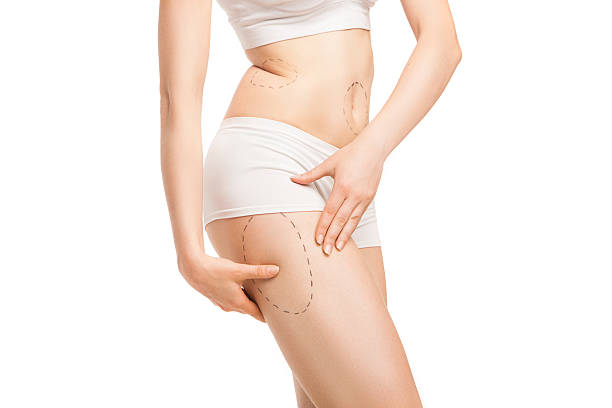
Skin folds around the waist can become prominent after significant weight loss, pregnancy, aging, or major changes in body size. When stretched skin does not fully retract, it may create loose tissue that extends across the abdomen, sides, hips, and lower back. For individuals considering Lower Body Lift in Abu Dhabi, an important question is whether the procedure can reduce these persistent folds and create a smoother waistline. A lower body lift is designed to remove excess skin and reshape the lower torso, making it a potential option for people whose waistline remains affected by substantial skin laxity despite reaching a stable body weight.
Why Do Skin Folds Form Around the Waist?
The skin naturally stretches when the body increases in size. After substantial weight loss, however, stretched skin may not completely return to its previous tightness. The amount of remaining laxity varies from person to person and can be influenced by age, genetics, skin elasticity, the amount of weight lost, and how long the skin was stretched.
Around the waist, excess tissue may form horizontal or overlapping folds. These folds can extend from the lower abdomen toward the sides and continue around the lower back. When loose skin affects several connected regions, the waist may appear less defined even when the individual has reached a stable weight.
How Can a Lower Body Lift Reduce Waist Folds?
A lower body lift can reduce prominent skin folds by surgically removing excess tissue from the lower torso and repositioning the remaining skin. Rather than simply tightening the surface temporarily, the procedure addresses the excess skin that contributes to the folds.
When appropriate tissue is removed, the lower abdomen and waist can appear smoother and more streamlined. If loose skin extends toward the hips and lower back, those areas may also be incorporated into the overall contouring plan.
The extent of improvement depends on the amount of excess skin and the individual’s natural body structure. The objective is generally to create a smoother waistline while maintaining balanced proportions.
Can It Address Folds Around the Entire Waist?
One of the distinctive features of a lower body lift is its ability to address excess skin that extends beyond the front of the abdomen. For some individuals, loose tissue forms a continuous area around the lower torso rather than being limited to one location.
A comprehensive lower body approach can consider the abdomen, sides, hips, lower back, and surrounding areas together. Treating connected regions may produce a more consistent contour around the waist.
This can be particularly relevant after massive weight loss, when excess skin may remain around much of the lower torso.
What Happens to the Lower Abdomen?
The lower abdomen commonly contributes to the appearance of waist folds. Excess skin can hang over the lower abdominal area and create a visible transition between the abdomen and waist.
A lower body lift can remove appropriate amounts of this excess tissue and reposition the remaining skin. This may make the lower abdomen appear smoother and allow the waistline to become more visible.
The amount of improvement varies according to individual anatomy and the extent of skin laxity. The goal is not necessarily to create an extremely flat abdomen but to reduce excess tissue and establish a more proportionate contour.
Can It Improve the Sides and Hips Too?
Waist folds often extend toward the sides of the body and overlap the hip area. Treating only the front of the abdomen may not address all of the excess tissue contributing to the overall appearance.
A lower body lift can address these connected areas as part of a broader contouring plan. Reducing loose tissue around the sides and hips can create smoother transitions between the waist and lower body.
The procedure does not fundamentally change the underlying hip structure. Instead, it removes excess skin and reshapes the tissues around the existing anatomy.
Is a Lower Body Lift Suitable After Major Weight Loss?
People who have undergone substantial weight loss are among those who may consider a lower body lift. Weight reduction can significantly decrease body volume while leaving stretched skin behind.
If a person has reached a relatively stable weight but still has prominent folds around the waist, body contouring may be considered to address the remaining tissue. Stable weight is important because ongoing major weight changes can alter the amount and distribution of excess skin.
A personalized evaluation can determine whether the skin folds are appropriate for treatment with a lower body lift or whether another contouring approach would better match the individual’s needs.
Can Exercise Remove Waist Skin Folds?
Exercise can strengthen muscles and support overall physical fitness, but it generally cannot remove substantial excess skin. This distinction is important because loose skin and excess body fat are different concerns.
A person can have strong abdominal and core muscles while still having stretched skin around the waist. When the primary issue is significant skin laxity, removing the excess tissue requires a different approach.
A lower body lift is designed specifically to address excess skin and reshape the surrounding contour rather than relying on further weight reduction.
What Factors Affect the Amount of Skin Removed?
The amount of skin that can be removed depends on individual anatomy, the location of the folds, the degree of skin laxity, and the overall body contour. There is no single amount that applies to everyone.
The surgical plan is generally developed around the person’s existing proportions. Removing too much tissue is not the goal; instead, the focus is on achieving a balanced contour that blends naturally with the abdomen, hips, lower back, and thighs.
Skin elasticity also plays a role in how the remaining tissues settle after surgery.
Can the Waist Look More Defined Afterward?
Reducing excess skin around the waist can make the natural waistline more visible. When folds previously obscured the transition between the abdomen and hips, removing the excess tissue may reveal a clearer contour.
However, the degree of waist definition depends on the person’s natural body shape. A lower body lift cannot completely change skeletal structure or create proportions that are not naturally present.
The most appropriate goal is generally to enhance the existing silhouette by reducing tissue that interferes with the body’s natural contours.
How Does the Result Develop Over Time?
The waist does not necessarily reach its final appearance immediately after surgery. The treated tissues require time to heal and settle, so the early contour may change during recovery.
As the body progresses through healing, the relationship between the abdomen, waist, hips, and lower back becomes easier to assess. Individual healing patterns can influence how quickly the final contour becomes apparent.
Allowing adequate recovery time and following postoperative instructions are important parts of supporting the intended result.
Can Waist Folds Return After a Lower Body Lift?
The excess skin that is surgically removed does not simply return in its original form. However, the remaining tissues can change over time.
Significant weight gain may stretch the skin and increase tissue volume, while major weight loss after surgery can create new areas of laxity. Natural aging can also gradually affect skin firmness.
Maintaining a relatively stable body weight can help preserve the improved waist contour over the long term.
Why Personalized Assessment Matters
Not every waist fold has the same cause or distribution. Some people may have excess tissue concentrated around the lower abdomen, while others may have laxity extending around the entire waist and lower back.
A personalized assessment allows the surgical team to evaluate the amount of excess skin, its location, body proportions, and the individual’s goals. This helps determine whether a lower body lift is an appropriate way to address the specific pattern of skin folds.
Realistic expectations are also important because the procedure is intended to improve contour rather than completely transform the body’s natural structure.
Final Thoughts
A lower body lift can reduce significant skin folds around the waist by removing excess tissue and reshaping the lower torso. When loose skin extends across the abdomen, sides, hips, and lower back, a comprehensive lower-body approach can improve the continuity of the waistline and create a smoother silhouette.
The degree of improvement depends on the individual’s anatomy, skin elasticity, amount of excess tissue, weight stability, and healing process. For adults with persistent waist folds after substantial weight loss or other major body changes, a lower body lift may provide a targeted and comprehensive approach to improving lower-body contours.
FAQs
Can a lower body lift remove waist folds?
Yes, it can remove significant excess skin contributing to folds around the lower waist.
Does it tighten the abdomen too?
It can address excess skin around the lower abdomen as part of the overall lower-body contour.
Can it treat folds around the back?
Yes, when excess skin extends toward the lower back, it may be included in the contouring plan.
Will exercise remove loose skin?
Exercise can strengthen underlying muscles but generally cannot remove substantial excess skin.
Can the result last?
The improvement can be long-lasting, although significant weight changes and natural aging may alter the waist contour over time.