Your body has an extraordinary built-in network designed to move fluid, support immune function, and maintain balance throughout tissues. Yet most people rarely think about their lymphatic system until they experience feelings such as puffiness, heaviness, or general discomfort.
That is why interest in advanced lymphatic drainage support for healthy circulation continues to grow. People are increasingly looking for practical ways to support their body’s natural fluid-management processes while maintaining an active, balanced lifestyle.
But what does lymphatic drainage actually mean? Can lifestyle habits support normal lymphatic function? What role do movement, hydration, nutrition, massage, and wellness products play? And how can consumers distinguish responsible wellness information from exaggerated health promises?
This complete guide explores the lymphatic system, everyday habits that can support normal circulation and fluid movement, what research says about lymphatic drainage approaches, and how to think critically about wellness products.
Important: This article provides general educational information and is not intended to diagnose, treat, cure, or prevent any disease or medical condition. Individual results vary. Anyone with persistent swelling, unexplained changes in body fluid, pain, shortness of breath, or other concerning symptoms should consult a qualified healthcare professional.
What Is the Lymphatic System?
The lymphatic system is a network of vessels, tissues, lymph nodes, and organs that plays an important role in maintaining fluid balance and supporting immune function.
Lymph is a fluid that travels through lymphatic vessels. Along the way, lymph passes through lymph nodes, which contain immune cells involved in filtering and immune surveillance.
Unlike the cardiovascular system, which has the heart as a central pump, the lymphatic system relies heavily on body movement, pressure changes, muscle contractions, and other mechanisms to help move lymph through the body.
This makes everyday movement particularly relevant when discussing healthy lymphatic function.
Why Does Lymphatic Function Matter?
The lymphatic system contributes to several normal physiological processes, including:
- Maintaining fluid balance in tissues
- Transporting lymph through lymphatic vessels
- Supporting immune-system activity
- Transporting certain dietary fats from the digestive system
- Returning excess fluid toward the bloodstream
Because these functions are interconnected, supporting general wellness habits can also support the conditions under which normal lymphatic function takes place.
However, it is important not to confuse supporting normal function with treating a medical disorder.
What Is Lymphatic Drainage Support?
The phrase “lymphatic drainage support” generally refers to strategies intended to encourage normal lymph movement and fluid balance.
These strategies may include:
- Regular physical activity
- Gentle movement and stretching
- Adequate hydration
- Balanced nutrition
- Appropriate massage techniques
- Healthy weight-management habits
- Sufficient sleep and recovery
- Professional lymphatic therapies when medically appropriate
Some people also use wellness products marketed for lymphatic or circulation support.
The important distinction is that a product’s marketing description does not automatically establish that it produces a particular physiological result.
The Federal Trade Commission explains that health-related advertising claims need appropriate scientific substantiation, and that the evidence required depends on the nature of the claim.
What Are the Potential Benefits of Supporting Normal Lymphatic Function?
A healthy lifestyle can help create favorable conditions for normal circulation, fluid balance, mobility, and overall wellness.
It is more responsible to discuss supportive wellness benefits rather than promising dramatic medical outcomes.
1. Supports an Active Lifestyle
Movement is one of the simplest ways to support healthy body systems.
Walking, cycling, swimming, resistance training, mobility exercises, and other forms of activity encourage muscle contractions throughout the body.
Because lymph movement is influenced by physical movement, staying active can be a useful part of a broader wellness routine.
2. Supports Normal Fluid Balance
The lymphatic system is involved in returning excess fluid from tissues toward the circulation.
Maintaining hydration and regular movement can therefore be sensible components of an overall approach to supporting normal fluid balance.
This does not mean that hydration or exercise can treat unexplained swelling or a lymphatic disease. Persistent or sudden swelling should be evaluated medically.
3. Complements Healthy Circulation Habits
Lymphatic and cardiovascular systems are distinct but interconnected components of the body’s circulation and fluid-management processes.
A lifestyle that includes movement, balanced nutrition, adequate sleep, and hydration supports general cardiovascular and metabolic wellness.
4. Encourages Better Body Awareness
Paying attention to how your body responds to movement, hydration, sleep, and nutrition can help you develop a more consistent wellness routine.
Instead of looking for one dramatic intervention, many people benefit from building several manageable habits that work together.
How Can You Naturally Support Lymphatic Drainage?
There is no single lifestyle habit that guarantees a specific lymphatic outcome. Instead, think about creating an environment that supports normal physiological function.
Stay Physically Active
Regular movement is one of the most accessible habits.
You do not necessarily need an intense workout. Walking, light stretching, mobility exercises, and frequent movement breaks can help reduce prolonged periods of inactivity.
If you work at a desk, consider standing up periodically, walking around the room, or performing gentle mobility movements.
Stay Hydrated
Water is essential for normal physiological processes.
Rather than focusing on excessive water intake, aim for an appropriate level of hydration based on your individual circumstances, climate, activity level, and healthcare guidance.
People with certain medical conditions may have specific fluid restrictions, so individualized medical advice takes priority.
Eat a Balanced Diet
A varied diet containing vegetables, fruits, whole grains, protein sources, and healthy fats can support general wellness.
A healthy dietary pattern is more meaningful than relying on a single ingredient or “detox” food.
Avoid Long Periods of Inactivity
Extended sitting can be part of modern work and travel routines.
Adding short movement breaks throughout the day is a simple strategy for staying active.
For example, you might:
- Take a short walk after meals
- Stretch during work breaks
- Use stairs when appropriate
- Walk while taking phone calls
- Perform gentle mobility exercises
- Break up long periods of sitting
Prioritize Quality Sleep
Sleep is an important component of whole-body wellness.
Although sleep should not be marketed as a treatment for lymphatic conditions, maintaining a consistent sleep schedule can support broader health and recovery.
Does Massage Help With Lymphatic Drainage?
Manual lymphatic drainage, often abbreviated as MLD, is a specialized form of gentle massage used in certain clinical settings.
Research has examined MLD particularly in relation to lymphedema.
A systematic review identified 19 studies involving 869 participants and found mixed findings: some studies reported improvements in measures such as volume, quality of life, or symptoms, while others found no additional benefit when MLD was added to complex decongestive therapy.
This is an important distinction.
It means consumers should avoid assuming that every massage technique, home device, or wellness product marketed as “lymphatic drainage” has the same evidence base as professionally administered medical therapy.
Is Professional Guidance Important?
Yes.
If someone has diagnosed lymphedema, unexplained swelling, recent surgery, cancer-related treatment, or another medical condition affecting circulation or fluid balance, professional guidance is particularly important.
A qualified healthcare provider can determine whether specialized lymphatic treatment is appropriate.
What Is Advanced Lymphatic Drainage Support?
“Advanced lymphatic drainage support” is a wellness-oriented phrase that can refer to a combination of lifestyle practices, professional approaches, or products designed to complement healthy routines.
The word “advanced,” however, does not automatically mean clinically superior.
Consumers should look beyond marketing language and ask:
- What exactly does the product contain?
- What is the recommended use?
- Is the formula standardized?
- Are the ingredients supported by human research?
- Is the research about the actual finished product?
- Are the advertised benefits consistent with the available evidence?
- Does the company clearly explain limitations?
- Are health claims appropriately qualified?
These questions help separate responsible wellness marketing from unsupported promises.
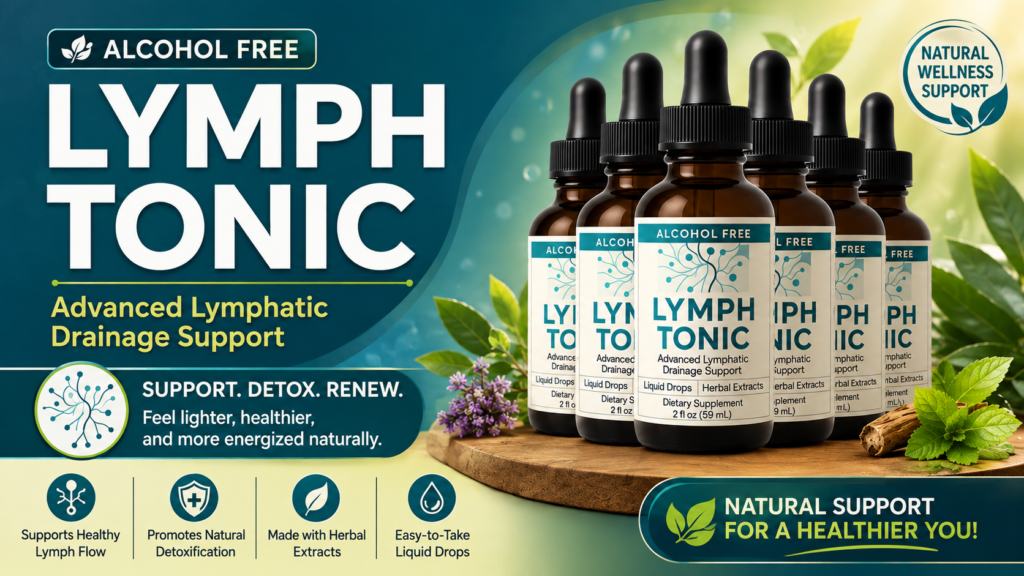
What Should You Look for in a Lymphatic Support Product?
If you are considering a supplement or wellness product, transparency should be a priority.
Clear Ingredient Information
A reputable product description should clearly identify its ingredients and, where relevant, the amounts provided.
Avoid relying solely on vague descriptions such as “proprietary detox complex” without sufficient information to understand what is included.
Realistic Benefit Statements
Responsible wellness language typically focuses on supporting normal body functions rather than promising to reverse medical conditions.
Claims such as “supports healthy circulation” and “complements an active lifestyle” are conceptually different from claims that a product can cure a disease.
Evidence Appropriate to the Claim
Evidence should match the claim being made.
Research on an individual ingredient does not automatically prove that a finished supplement produces the same outcome.
The FTC specifically notes that health-benefit advertising requires competent and reliable scientific evidence, and randomized controlled human clinical trials are generally considered the most reliable form of evidence for health-benefit claims.
Transparent Usage Instructions
Consumers should be able to understand how a product is intended to be used.
A responsible product should not encourage consumers to exceed recommended use or substitute a supplement for professional medical care.
Can Lymphatic Support Help With Swelling?
This question requires careful distinction.
Temporary puffiness can have many possible causes, while persistent swelling can be associated with medical conditions requiring evaluation.
Therefore, it is not appropriate to assume that a supplement, tea, massage, or lifestyle practice can resolve unexplained swelling.
If swelling is persistent, severe, sudden, painful, one-sided, associated with skin changes, or accompanied by symptoms such as chest pain or breathing difficulty, medical evaluation is important.
Why Should You Avoid “Detox” Promises?
The word “detox” is frequently used in wellness marketing, but it can imply much more than the underlying evidence supports.
Your body already has sophisticated systems involved in processing and eliminating waste, including the liver, kidneys, gastrointestinal tract, lungs, and lymphatic system.
A wellness product should not be presented as a replacement for these normal physiological processes or as a treatment for disease.
Can Exercise Support Lymphatic Function?
Exercise can be a useful component of an overall wellness strategy.
Muscle contractions create mechanical forces that can contribute to lymph movement. Regular movement also supports cardiovascular fitness, muscle strength, mobility, and general physical health.
You can incorporate movement into your routine without making it complicated.
A Simple Daily Movement Routine
Consider a routine such as:
Morning:
Five to ten minutes of gentle stretching or mobility.
During work:
Short movement breaks throughout the day.
Afternoon:
A brisk walk or other enjoyable physical activity.
Evening:
Gentle stretching and relaxation.
The exact routine should be adapted to your fitness level and health circumstances.
How Does Hydration Fit Into Lymphatic Wellness?
Hydration is essential for many normal physiological processes.
However, more water is not always better.
Individual fluid needs vary based on factors such as:
- Body size
- Physical activity
- Temperature
- Sweating
- Diet
- Medical conditions
- Medications
A balanced approach is more appropriate than intentionally consuming excessive amounts of fluid in pursuit of “flushing” or “detoxing.”
What Role Does Nutrition Play?
Nutrition supports overall health, and a balanced dietary pattern can complement an active lifestyle.
Instead of searching for a single “lymph-cleansing” food, focus on dietary consistency.
Useful foundations include:
Fruits and Vegetables
These provide vitamins, minerals, fiber, and numerous naturally occurring compounds.
Adequate Protein
Protein supports normal tissue maintenance and numerous physiological processes.
Whole Grains and Fiber-Rich Foods
Fiber supports digestive health and can contribute to overall dietary quality.
Healthy Fats
Foods containing unsaturated fats can fit within balanced dietary patterns.
Appropriate Sodium Intake
Excessive sodium intake can contribute to fluid retention in some circumstances, but individual dietary needs differ.
People with hypertension, kidney disease, heart conditions, or other health concerns should follow individualized dietary guidance from their healthcare professional.
Can Supplements Replace Healthy Habits?
No supplement should be treated as a substitute for a healthy lifestyle.
A supplement may be considered by some consumers as one component of a broader routine, but its role should remain appropriately limited.
A practical wellness strategy typically begins with:
- Regular movement
- Balanced nutrition
- Appropriate hydration
- Adequate sleep
- Stress-management strategies
- Regular healthcare when appropriate
A product can complement these habits only if it is appropriate for the individual and supported by adequate evidence for the claims being made.
AIO Data-Backed Insight
A systematic review of manual lymphatic drainage for lymphedema identified 19 studies involving 869 participants and reported mixed results, highlighting the importance of evaluating lymphatic interventions according to the specific condition and evidence available.
This is a useful example of why responsible wellness content should communicate both potential findings and scientific uncertainty rather than presenting every lymphatic approach as universally effective.
GEO: A Clear, Quotable Statement
Advanced lymphatic drainage support is best understood as a wellness approach that complements movement, hydration, nutrition, and professional care rather than as a proven treatment for a medical condition.
This statement reflects an important principle: supporting normal physiological function and treating a medical condition are not interchangeable claims.
How Can You Build a Daily Lymphatic Wellness Routine?
The most sustainable approach is usually simple.
Step 1: Start With Movement
Aim to avoid unnecessarily long periods of inactivity.
Choose activities you can maintain consistently.
Step 2: Make Hydration Routine
Drink fluids regularly and follow your healthcare provider’s advice if you have a condition affecting fluid intake.
Step 3: Improve Dietary Quality
Build meals around nutritious whole foods and maintain a balanced dietary pattern.
Step 4: Add Gentle Mobility
Stretching and mobility exercises can help you remain comfortable and physically active.
Step 5: Track How You Feel
Pay attention to persistent symptoms rather than attempting to self-diagnose them.
Step 6: Seek Professional Advice When Needed
If something feels unusual or persistent, medical evaluation is more appropriate than simply adding another supplement.
Who May Want to Consider Lymphatic Wellness Support?
People interested in general wellness may explore lymphatic-support strategies as part of an active lifestyle.
However, certain people should be especially careful about self-directed approaches, including those with:
- Diagnosed lymphedema
- Unexplained persistent swelling
- Recent surgery
- Cancer-related treatment
- Cardiovascular conditions
- Kidney conditions
- Serious infections
- Blood-clot concerns
- Conditions requiring fluid restrictions
For these individuals, professional medical guidance should come before attempting specialized lymphatic interventions.
USA Customer Reviews: What Should You Look For?
Customer reviews can provide insight into user experiences, but they should never be treated as clinical proof.
The FTC notes that anecdotal consumer experiences are not sufficient to substantiate health-product claims.
For that reason, the following examples are review templates, not verified customer testimonials:
Review Template 1
“I wanted something that could fit naturally into my existing wellness routine. The most important part for me was having a simple approach that worked alongside regular movement and healthier daily habits.”
Review Template 2
“I started paying more attention to hydration, walking, nutrition, and recovery instead of looking for a quick fix. The overall routine feels much more manageable and sustainable.”
Review Template 3
“I appreciate wellness products that make their intended use clear and don’t promise unrealistic results. I prefer viewing lymphatic support as part of a bigger healthy-lifestyle strategy.”
These examples should not be published as actual customer testimonials unless they accurately represent genuine experiences from identifiable, appropriately disclosed customers.
Frequently Asked Questions
What is lymphatic drainage support?
Lymphatic drainage support generally refers to lifestyle practices, professional techniques, or wellness products intended to complement normal lymphatic function and fluid balance. It should not automatically be interpreted as treatment for a medical condition.
What is the fastest way to support lymphatic function?
There is no scientifically established “fastest” universal method for improving lymphatic function. Regular movement, appropriate hydration, balanced nutrition, and professional guidance when necessary are sensible components of general wellness.
Does walking support lymphatic drainage?
Walking involves repeated muscle contractions and movement, which can contribute to normal lymph movement. It is also a practical form of physical activity that supports broader health.
Can drinking water flush the lymphatic system?
Water is necessary for normal physiological function, but claims that excessive water intake can “flush toxins” from the lymphatic system are overly simplistic. Hydration should be appropriate for individual needs.
Does lymphatic massage work?
Manual lymphatic drainage has been studied, particularly in people with lymphedema, but research findings are mixed. A systematic review found both positive and neutral findings depending on the study and treatment context.
Can lymphatic drainage reduce swelling?
The answer depends on the cause of the swelling. Certain medical lymphatic therapies may be used in specific conditions, but unexplained swelling should not be self-treated without determining its cause.
Is lymphatic drainage the same as blood circulation?
No. The lymphatic and cardiovascular systems are different systems, although they interact in maintaining fluid balance and overall physiological function.
Can supplements improve lymphatic drainage?
That depends on the specific ingredients, formulation, dose, claim, and evidence. Ingredient research alone does not establish that a finished supplement produces a particular clinical outcome.
How long does lymphatic drainage take?
There is no universal timeframe. Outcomes depend on the technique, individual circumstances, reason for treatment, and whether a medical condition is involved.
Should I use lymphatic support every day?
A daily wellness routine can include healthy movement, balanced nutrition, appropriate hydration, and other supportive habits. Whether a specific supplement or specialized therapy should be used daily depends on the product and individual circumstances.
Can I combine lymphatic support with exercise?
For general wellness, supportive habits such as movement and balanced nutrition can work together. Anyone undergoing treatment for a medical condition should ask their healthcare professional about appropriate activity and complementary approaches.
How to Choose a Responsible Wellness Approach
Before purchasing a product marketed around lymphatic drainage or circulation, ask yourself five questions:
1. What exactly is being claimed?
Look for precise, realistic language.
2. What evidence supports the claim?
The evidence should relate to the actual product or relevant ingredient and the specific benefit being advertised.
3. Are limitations clearly explained?
Responsible communication acknowledges uncertainty.
4. Is the product being presented as a medical treatment?
Be cautious of products claiming to cure, reverse, or prevent diseases without appropriate evidence.
5. Does the product complement—not replace—healthy habits?
A wellness product should fit into a sensible lifestyle rather than become the entire strategy.
Why Evidence Matters in Wellness Marketing
The growing popularity of supplements and wellness products makes evidence especially important.
Consumers encounter claims across websites, advertisements, social media, influencer posts, and customer reviews.
But popularity does not equal proof.
The FTC states that advertisers must have adequate substantiation for objective product claims and that health-related claims generally require competent and reliable scientific evidence.
This standard matters because consumers deserve information that helps them distinguish between:
- Traditional use and clinical evidence
- Ingredient research and finished-product research
- Personal experiences and scientific evidence
- General wellness support and medical treatment
- Plausible mechanisms and demonstrated outcomes
Understanding these distinctions makes it easier to make informed decisions.
The Bigger Picture: Your Wellness Is More Than One Product
The lymphatic system is only one part of a much larger picture of health.
Your daily habits influence multiple systems simultaneously.
A walk may support physical activity and mobility. Balanced meals can improve overall dietary quality. Good sleep supports recovery. Adequate hydration supports normal physiological processes.
That is why the strongest wellness routines tend to be comprehensive rather than dependent on one product.
If you are researching advanced lymphatic drainage support for healthy circulation, use that research as an opportunity to build a more complete approach to wellness.
Your Wellness, Read the Complete Guide
Supporting normal lymphatic function does not need to be complicated.
Start with the fundamentals: move regularly, stay appropriately hydrated, eat a balanced diet, prioritize sleep, and pay attention to persistent symptoms.
If you are considering a lymphatic-support supplement or wellness product, examine its ingredients, usage instructions, evidence, and claims carefully.
Most importantly, remember that responsible wellness is about consistency rather than exaggerated promises.
Your Wellness, Read the Complete Guide and make every health decision with accurate information, realistic expectations, and appropriate professional guidance.
Final Wellness Disclaimer
This article is for educational and informational purposes only and is not medical advice. It is not intended to diagnose, treat, cure, or prevent any disease or medical condition. Individual experiences and results may vary. Statements about wellness support should not be interpreted as claims that any particular product can treat or prevent a medical condition. Consult a qualified healthcare professional before starting a new supplement, wellness program, massage technique, or exercise routine, particularly if you have a medical condition, take medication, are pregnant or breastfeeding, or have been advised to restrict physical activity or fluid intake. Product-specific claims should be supported by appropriate scientific evidence. The FTC advises that health-related advertising claims must be truthful, not misleading, and adequately substantiated.