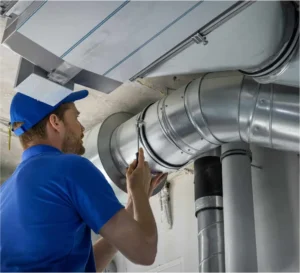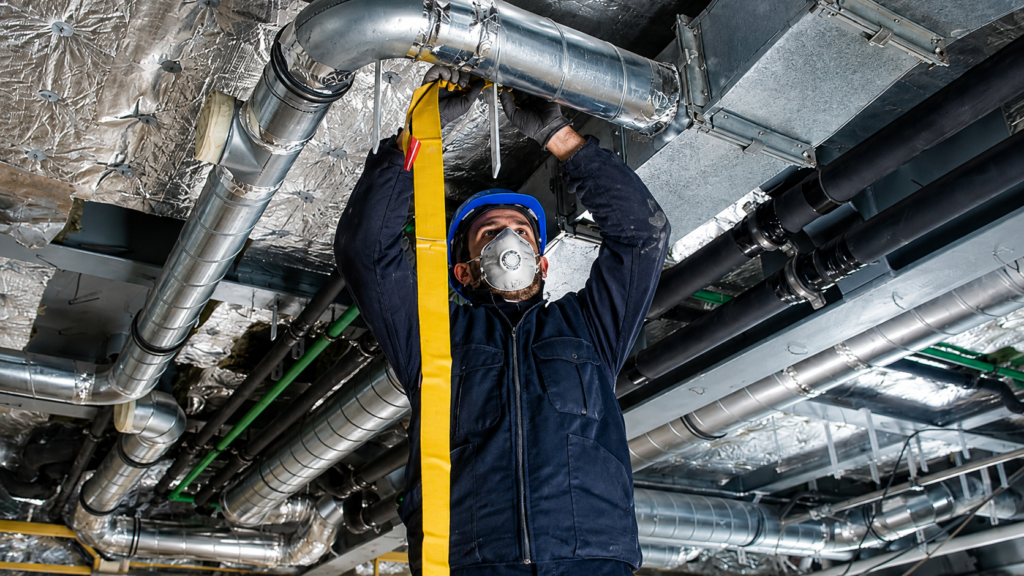
A properly functioning HVAC system depends on more than just the heating and cooling unit. The ductwork that carries conditioned air throughout a building plays a major role in maintaining indoor comfort, energy efficiency, and air quality. Over time, ducts can become damaged, outdated, poorly sealed, or unable to meet the needs of a modern property.
Ductwork replacement is an effective solution for homeowners and businesses experiencing problems such as uneven temperatures, rising energy bills, poor airflow, or excessive dust. Replacing old or damaged duct systems can improve HVAC performance, reduce energy waste, and create a more comfortable indoor environment.
Whether you own a residential property, commercial building, office, or industrial facility, understanding when and why duct replacement is needed can help you make better decisions about your HVAC system.
This complete guide explains what ductwork replacement involves, signs that your ducts need replacing, benefits of upgrading your system, the replacement process, costs, and important factors to consider before starting the project.
What Is Ductwork Replacement?
Ductwork replacement is the process of removing old, damaged, or inefficient air ducts and installing a new duct system designed to improve airflow and HVAC performance.
Air ducts are responsible for transporting heated or cooled air from your HVAC system to different rooms throughout a building. When ducts become damaged or outdated, they can reduce system efficiency and affect indoor comfort.
Duct replacement may involve:
Removing old duct materials
Inspecting existing HVAC connections
Designing a new duct layout
Installing new ducts
Sealing and testing the system
A professional HVAC technician evaluates the existing system before recommending replacement.
Why Is Ductwork Replacement Important?
Many property owners focus on upgrading HVAC units but overlook the condition of their duct systems. Even a high-quality heating and cooling system cannot perform efficiently if the ductwork is damaged or poorly designed.
Replacing old ducts helps address issues such as:
Air leaks
Poor airflow
Energy loss
Uneven temperatures
Indoor air quality concerns
An upgraded duct system allows your HVAC equipment to distribute air more effectively.
Signs You Need Ductwork Replacement
Knowing when to replace ductwork can prevent ongoing comfort issues and unnecessary energy costs.
Uneven Heating or Cooling
If some rooms feel too hot while others remain cold, your duct system may not be distributing air properly.
Uneven temperatures can result from:
Damaged ducts
Poor duct design
Blocked airflow
Insufficient duct capacity
A professional inspection can determine whether replacement is needed.
Increasing Energy Bills
Damaged ductwork can force your HVAC system to work harder than necessary. Air escaping through cracks and leaks means more energy is required to maintain indoor temperatures.
If your energy costs continue increasing without changes in usage, inefficient ductwork may be a contributing factor.
Poor Airflow From Vents
Weak airflow from vents may indicate problems within the duct system.
Possible causes include:
Leaks
Collapsed ducts
Incorrect sizing
Blockages
Replacing outdated ductwork can improve airflow throughout the property.
Excessive Dust and Poor Indoor Air Quality
Old ducts can collect dust, debris, and contaminants over time. Damaged duct systems may allow pollutants to enter indoor spaces.
Signs of duct-related air quality issues include:
Increased dust buildup
Musty smells
Allergy symptoms
Dirty air vents
New duct installation can improve air circulation and reduce contamination risks.
Strange Noises From Ducts
Unusual sounds from ductwork may indicate structural problems.
Common noises include:
Rattling
Whistling
Banging
Air movement sounds
Damaged ducts may require repair or complete replacement depending on their condition.
Old or Damaged Duct Systems
Ductwork has a limited lifespan. Older systems may suffer from deterioration, outdated designs, and reduced efficiency.
Replacement may be recommended when ducts have:
Cracks
Corrosion
Poor insulation
Repeated repair issues
Aging materials
Benefits of Ductwork Replacement
Replacing old duct systems provides several advantages for residential and commercial properties.
Improved Energy Efficiency
One of the biggest benefits of new ductwork is improved HVAC efficiency.
Modern duct systems are designed to:
Reduce air leakage
Improve airflow
Support better temperature control
Reduce unnecessary energy consumption
A more efficient system can help lower heating and cooling costs.
Better Indoor Comfort
A properly designed duct system distributes air evenly throughout the building.
Benefits include:
More consistent temperatures
Improved airflow
Better humidity control
Enhanced comfort in every room
A comfortable indoor environment improves quality of life and productivity.
Improved Indoor Air Quality
Old ducts may contain dust, allergens, and contaminants that affect indoor air quality.
New ductwork helps create a cleaner airflow system by:
Reducing leaks
Improving ventilation
Supporting cleaner air circulation
Better air quality is especially important for households and workplaces with sensitive occupants.
Reduced HVAC System Stress
When ducts leak or restrict airflow, HVAC equipment must work harder.
Replacing ductwork helps:
Improve system performance
Reduce unnecessary strain
Extend equipment lifespan
Improve reliability
A properly functioning duct system supports better HVAC operation.
Lower Maintenance Requirements
Old duct systems often require frequent repairs. Replacement can reduce ongoing maintenance problems and provide a more reliable solution.
New ductwork reduces issues related to:
Leaks
Loose connections
Poor insulation
Airflow problems
Increased Property Value
An efficient HVAC system with updated ductwork can improve the value of a property.
Potential buyers and tenants appreciate:
Lower operating costs
Improved comfort
Modern systems
Better indoor air quality
Types of Ductwork Used for Replacement
Different properties require different duct solutions. HVAC professionals select materials based on building design, performance requirements, and budget.
Flexible Ductwork
Flexible ducts are made from a flexible material supported by wire and insulation.
Advantages include:
Easy installation
Cost efficiency
Flexibility around obstacles
Lightweight design
Flexible ducts are commonly used in residential applications.
Sheet Metal Ductwork
Sheet metal ducts are made from materials such as aluminium or galvanised steel.
Benefits include:
Durability
Long lifespan
Strong airflow performance
Resistance to damage
They are often used in commercial and high-performance HVAC systems.
Fiberglass Duct Systems
Fiberglass ducts include insulation properties that help reduce heat loss and noise.
They can provide:
Thermal efficiency
Noise reduction
Improved comfort
The correct duct material depends on the specific application.
The Ductwork Replacement Process
Understanding the replacement process helps property owners prepare for the project.
Professional Inspection
The first step involves evaluating the existing duct system.
Technicians inspect:
Duct condition
Airflow performance
Leak locations
System design
Building requirements
This assessment helps determine the best replacement approach.
Planning and Design
A new duct system must be properly designed to ensure efficient airflow.
The design process considers:
Property layout
HVAC capacity
Room requirements
Air distribution needs
Proper planning prevents future performance problems.
Removing Old Ductwork
Old ducts are carefully removed to prevent damage to surrounding areas.
The process may involve:
Disconnecting existing ducts
Removing damaged materials
Preparing installation areas
Installing New Ducts
New ductwork is installed according to the approved design.
Technicians focus on:
Correct sizing
Secure connections
Proper insulation
Effective airflow pathways
Sealing and Testing
After installation, the system is tested to ensure proper performance.
Testing may include:
Airflow checks
Leak inspections
System balancing
Performance evaluation
This step ensures the new duct system operates efficiently.
Factors That Affect Ductwork Replacement Cost
The cost of duct replacement varies depending on several factors.
Important considerations include:
Property size
Duct system complexity
Materials selected
Accessibility
Number of ducts required
Labour requirements
Additional HVAC improvements
A professional inspection provides a more accurate estimate based on your property.
Ductwork Replacement vs Duct Repair
Many property owners wonder whether repair or replacement is the better option.
Duct repair may be suitable for:
Small leaks
Minor damage
Limited problem areas
Replacement may be better when:
The system is old
Damage is widespread
Repairs are frequent
Efficiency is poor
A professional HVAC technician can recommend the most cost-effective solution.
How to Prepare for Ductwork Replacement
Preparation can help ensure a smoother project.
Before installation:
Clear access areas
Protect furniture
Discuss project timelines
Ask about ventilation requirements
Confirm system specifications
Good preparation helps minimise disruption.
Choosing the Right Ductwork Replacement Professional
Selecting an experienced HVAC contractor is essential for successful results.
Consider these factors:
Experience with duct systems
Proper licensing
Positive customer reviews
Knowledge of HVAC design
Transparent pricing
Quality workmanship
A skilled professional ensures the replacement system performs efficiently.
Maintaining New Ductwork After Installation
Proper maintenance helps extend the life of your new duct system.
Recommended practices include:
Regular HVAC inspections
Changing air filters
Checking airflow performance
Keeping vents clean
Monitoring energy usage
Routine maintenance protects your investment.
Frequently Asked Questions About Ductwork Replacement
What is ductwork replacement?
Ductwork replacement involves removing old or damaged air ducts and installing a new duct system to improve HVAC performance, airflow, and energy efficiency.
How do I know if my ducts need replacement?
Signs include uneven temperatures, high energy bills, poor airflow, excessive dust, unusual noises, and visible duct damage.
How long does ductwork replacement take?
The timeline depends on the size and complexity of the system. Small residential projects may take less time, while larger commercial systems require more extensive work.
Is replacing ductwork worth the cost?
Yes. New ductwork can improve energy efficiency, comfort, indoor air quality, and HVAC performance, making it a valuable long-term investment.
Can damaged ducts affect energy bills?
Yes. Leaking or inefficient ducts can cause conditioned air to escape, forcing your HVAC system to work harder and consume more energy.
Should I repair or replace my ductwork?
Minor issues may be repaired, but older systems with extensive damage often benefit more from complete replacement.
How long does new ductwork last?
The lifespan depends on materials, installation quality, and maintenance. Properly installed duct systems can provide many years of reliable performance.
Does duct replacement improve air quality?
Yes. New ductwork can reduce leaks, improve airflow, and help prevent dust and contaminants from entering indoor air.
Conclusion
Investing in ductwork replacement can significantly improve HVAC efficiency, indoor comfort, and air quality. Old or damaged ducts can reduce system performance and increase energy costs, while a properly designed replacement system allows heating and cooling equipment to operate more effectively.
Whether you are experiencing airflow problems, rising energy bills, or an outdated duct system, professional duct replacement can provide a long-term solution. By choosing quality materials, proper design, and experienced HVAC professionals, property owners can create a more comfortable and efficient indoor environment.
A well-maintained duct system is an important part of a reliable HVAC setup. Replacing outdated ductwork helps protect your investment, improve comfort, and support better energy performance for years to come.