Vector art conversion keeps your brand consistent across print, apparel, and signage. Fast, accurate, and professional service every time.
Your logo is often the first thing people notice about your business, whether it’s on a website, a storefront sign, a T-shirt, or a business card. But if that logo only exists as a blurry JPEG or a low-resolution screenshot, it’s holding your brand back more than you might realize. This is where vector art conversion comes in, turning outdated or low-quality artwork into clean, scalable files that represent your brand properly no matter where it’s used.
For many small businesses, this step gets overlooked until a printer or embroiderer rejects a file, or a banner comes out looking grainy and unprofessional. By then, it’s usually costing extra time and money to fix. Understanding why this conversion matters upfront can save your brand a lot of headaches down the road.
What Vector Art Conversion Actually Does
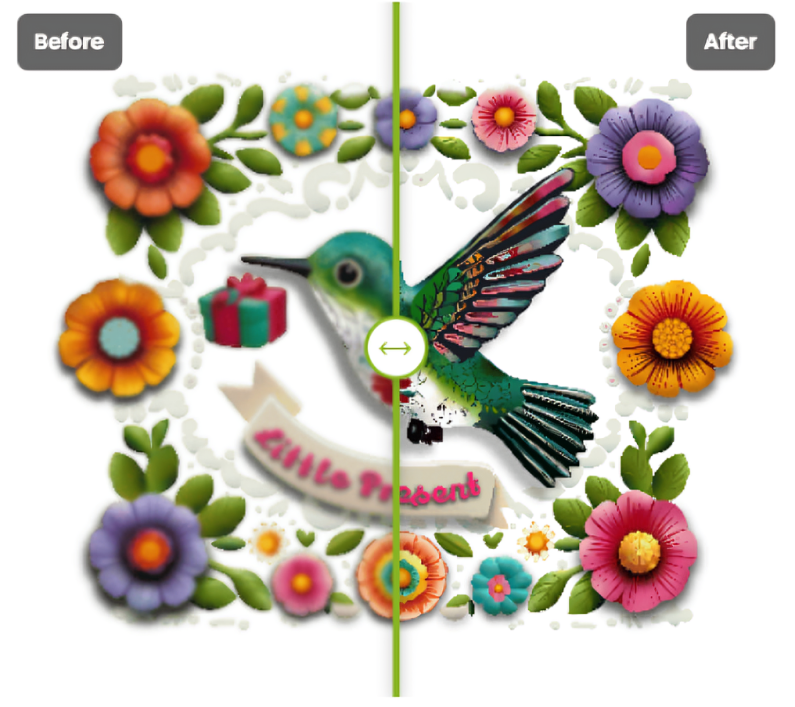
At its core, vector art conversion takes a raster image, one made up of individual pixels, and rebuilds it using mathematical paths and shapes instead. The result is a file that can be resized to any dimension, from a tiny favicon to a massive vehicle wrap, without ever looking blurry or distorted.
This matters because most raster images have a fixed resolution. Stretch them too far, and the pixels become visible, edges turn jagged, and the whole design looks unprofessional. Vector files don’t have this limitation at all, which is exactly why print shops, embroidery digitizers, and sign companies almost always request one before starting production.
Why This Matters for Brand Consistency
A brand’s visual identity needs to look the same whether it’s printed on a coffee mug or displayed on a 20-foot banner. Inconsistent logo quality across different platforms sends a subtle but real message to customers: that the business isn’t paying close attention to detail.
Working with online vector art services makes it easy to get a single, master version of your logo that can be used across every application your brand needs. Once that master file exists, there’s no more guessing about which version to send to which vendor. It’s the same clean file every time, which keeps your branding sharp and consistent across print, apparel, packaging, and digital use.
The Practical Business Benefits
Beyond the visual polish, there are real operational reasons brands invest in vector conversion:
- Fewer production delays. Vendors can begin work immediately instead of sending files back with rejection notices.
- Lower long-term costs. A properly converted file gets reused for years, avoiding repeated recreation fees.
- Better vendor relationships. Printers, embroiderers, and sign makers tend to prioritize clients who send ready-to-use files.
- Scalability for growth. As a brand expands into new products or markets, a vector file adapts instantly without extra design work.
Businesses working with reliable vector art services in USA providers also benefit from teams that understand local printing standards, common file requirements, and industry expectations, which reduces back-and-forth communication significantly.
Common Signs Your Brand Needs a Vector Conversion
Not sure if this applies to your business? A few common warning signs include:
- Your logo file is a JPEG or PNG with no accompanying vector version.
- Printed materials have come out blurry, pixelated, or oddly cropped.
- Different departments or vendors are using slightly different versions of your logo.
- You’ve been asked for an “AI,” “EPS,” or “SVG” file and didn’t have one ready.
- Your logo looks fine on screen but poor when printed at a larger size.
If any of these sound familiar, it’s likely time to get a proper vector version created.
Choosing the Right Provider
Not all conversion services deliver the same level of quality. A good provider should offer clean, editable paths, multiple file formats, reasonable turnaround times, and revisions if something doesn’t look quite right. Companies like AMZ Digitize that specialize across both embroidery and vector work tend to understand how a file needs to be structured differently depending on its final use, whether that’s stitching, large-format printing, or digital branding.
Final Thoughts
Investing in professional vector art conversion isn’t just a technical formality, it’s a decision that protects how your brand is perceived everywhere it appears. Clean, scalable artwork saves time, reduces costs, and keeps your visual identity consistent as your business grows. For any brand planning to print, stitch, or display its logo across multiple formats, this is one investment that pays for itself quickly.
Frequently Asked Questions
- What’s the difference between a vector file and a regular image file?
A regular image file, like a JPEG or PNG, is made of pixels and loses quality when resized beyond its original dimensions. A vector file is built from mathematical paths, allowing it to scale to any size without becoming blurry. This makes vector files the standard requirement for professional printing, signage, and embroidery work.
- How long does a typical vector art conversion take?
Most professional providers complete a standard conversion within 24 to 48 hours, depending on the complexity of the design. Simple logos with fewer colors are usually faster, while detailed artwork with gradients or fine details can take a bit longer. Many services also offer rush delivery for urgent deadlines.
- Can I request specific file formats after conversion?
Yes, most providers deliver in multiple formats such as AI, EPS, SVG, and PDF, covering the needs of different vendors and platforms. If you need a specific format that wasn’t included, a good service will usually provide it at no extra charge. It’s best to confirm which formats you’ll need before placing your order.
- Do I need a new vector file if my logo design changes slightly?
Yes, even small changes like a color adjustment or a tweaked font typically require an updated vector file to keep everything accurate. Reusing an outdated file can lead to inconsistencies across your branding materials. Most providers offer affordable revision options for minor updates like this.