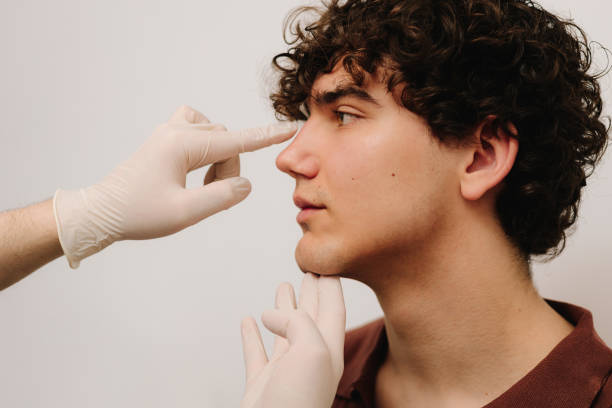
Rhinoplasty can reshape the nose to create more balanced facial proportions, making it a potential option for people who feel their nose appears large or prominent compared with their other features. For individuals considering Rhinoplasty in Abu Dhabi, understanding how nasal reshaping can influence size and proportion is an important part of setting realistic expectations. Rather than simply making the nose smaller, rhinoplasty focuses on modifying specific structural features so the result complements the individual’s face. The appropriate changes depend on nasal anatomy, facial proportions, skin characteristics, and the person’s aesthetic goals.
How Rhinoplasty Can Make a Large Nose Appear Smaller
A nose can appear large for different reasons. It may have a prominent bridge, a broad nasal tip, greater overall width, increased projection, or proportions that make it visually dominant. Rhinoplasty can address these characteristics by reshaping selected parts of the nasal framework.
Reducing the appearance of nasal size does not necessarily mean making every part of the nose smaller. Strategic refinement can create better proportions between the bridge, tip, nostrils, and surrounding facial features. By improving these relationships, the nose may appear more balanced without looking artificially reduced.
Addressing a Prominent Nasal Bridge
A prominent or raised nasal bridge can make the nose appear larger when viewed from the side. Rhinoplasty can refine the bridge to create a smoother and more proportionate profile.
The amount of structural adjustment depends on the individual’s existing anatomy and desired outcome. The objective is generally to create a bridge that fits naturally with the nasal tip and the rest of the face rather than pursuing excessive reduction.
Refining a Broad Nasal Tip
The nasal tip can contribute significantly to the overall perception of nasal size. A broad, rounded, or less-defined tip may make the nose appear larger from the front.
Rhinoplasty can reshape and refine the tip while maintaining appropriate structural support. Creating greater definition can change how the nose is perceived without necessarily requiring substantial reduction in its overall dimensions.
Adjusting Nasal Width
A nose that is relatively wide compared with the rest of the face can appear more prominent from the front. Depending on the individual’s anatomy, rhinoplasty may address the appearance of nasal width as part of the overall treatment plan.
The goal is to create proportions that complement the width of the face. Excessive narrowing is generally avoided because the nose needs to maintain appropriate structural and aesthetic balance.
Managing Nasal Projection
Projection describes how far the nose extends outward from the face. Increased projection can make the nose appear more prominent, particularly from a side or three-quarter view.
When appropriate, rhinoplasty can modify nasal projection to create a more harmonious profile. The amount of adjustment depends on facial proportions and the relationship between the nose, lips, and chin.
Improving Overall Facial Proportions
One of the most important concepts in reducing the appearance of a large nose is facial proportion. A nose may not actually be unusually large, but it can appear prominent if its dimensions are not well balanced with surrounding features.
Rhinoplasty can alter specific nasal characteristics so that the nose fits more naturally within the overall facial framework. Changes to the bridge, tip, width, or projection can work together to create a more proportionate appearance.
Why a Smaller Nose Is Not Always the Goal
A common misconception is that rhinoplasty should always produce a significantly smaller nose. In reality, excessive reduction can create an unnatural appearance and may affect the relationship between the nose and other facial features.
A well-planned rhinoplasty aims for harmony rather than maximum reduction. The ideal amount of change depends on the individual’s facial dimensions, nasal structure, and personal preferences. Subtle refinements can sometimes produce a significant visual difference.
The Role of Skin and Soft Tissue
Skin thickness can influence how much structural refinement is visible. Thicker nasal skin may soften the appearance of underlying changes, while thinner skin may reveal contours more clearly.
This is particularly relevant when refining the nasal tip. Understanding individual skin and soft-tissue characteristics can help establish realistic expectations about how much definition and apparent size reduction may be visible after treatment.
Can Rhinoplasty Make the Nose Look Smaller From the Front?
Yes, rhinoplasty can potentially reduce the visual prominence of the nose from the front by addressing characteristics such as width, tip shape, and overall proportions. However, the exact changes depend on individual anatomy.
The frontal appearance should be considered alongside the side and angled views. A nose that looks appropriately proportioned from one perspective should also maintain harmony when viewed from different angles.
Can Rhinoplasty Improve a Large Nose From the Side?
Rhinoplasty can also change the appearance of a prominent nose from the side. Refining the bridge, adjusting projection, and reshaping the tip may create a smoother and more proportionate profile.
The relationship between the nose and other facial features is particularly important from the side. The goal is to create a balanced profile rather than simply reduce nasal dimensions.
How Long Do Changes Take to Become Visible?
Some changes can be noticed relatively early after rhinoplasty, but the final appearance develops gradually. The nasal tissues need time to heal and settle around the reshaped framework.
Swelling can temporarily influence the apparent size and definition of the nose. As healing progresses, the contours generally become more refined. The nasal tip may take additional time to reveal its final shape, so patience is important when evaluating the result.
Choosing Realistic Rhinoplasty Goals
A successful approach begins with realistic expectations. Rhinoplasty can reduce the visual prominence of a large nose, but the extent of change depends on what is structurally appropriate for the individual.
The desired result should complement the person’s facial characteristics rather than imitate an unrelated nasal shape. Personalized planning helps determine which features can be refined and how much change can be achieved while maintaining balanced proportions.
The Importance of Individualized Treatment
Every nose has a unique combination of bone, cartilage, skin, and soft tissue. As a result, the same approach cannot be expected to produce identical results for different people.
An individualized assessment can identify why the nose appears prominent and determine which structural characteristics may be contributing to that appearance. This allows the treatment plan to focus on the areas that matter most while preserving overall facial harmony.
What Can You Expect From Rhinoplasty for a Large Nose?
Rhinoplasty can potentially create a nose that appears more refined, proportionate, and harmonious with the rest of the face. Depending on individual needs, this may involve changes to the bridge, nasal tip, width, projection, or a combination of these features.
The objective is not simply to create a smaller nose but to create a more balanced nose. When the nasal proportions work well with the surrounding facial features, even moderate structural changes can produce a noticeable improvement in overall appearance.
Frequently Asked Questions
Can rhinoplasty reduce the appearance of a large nose?
Yes. Rhinoplasty can reshape specific nasal features that contribute to a large or prominent appearance, including the bridge, tip, width, and projection. The extent of refinement depends on individual anatomy and treatment goals.
Does rhinoplasty always make the nose smaller?
No. Rhinoplasty does not necessarily involve reducing every dimension of the nose. In some cases, improving shape, definition, or proportions can make the nose appear smaller without substantial overall reduction.
Can a broad nasal tip be made more refined?
Rhinoplasty can reshape a broad or rounded nasal tip to create greater definition and improve its relationship with the nasal bridge and surrounding facial features.
Will rhinoplasty make my nose look natural?
A personalized treatment approach focuses on creating proportions that complement your existing facial structure. The goal is generally a refined and harmonious appearance rather than an overly reduced or artificial-looking nose.
When will I see the final result after rhinoplasty?
The appearance develops gradually as the nasal tissues heal and settle. Early changes may be visible, but the final contours, particularly around the nasal tip, can take considerably longer to become fully refined.