Selecting the right connector for underwater, marine, offshore, and demanding industrial equipment is an important decision. Electrical and signal connections in these environments must remain dependable despite exposure to water, pressure, vibration, corrosion, and frequent equipment movement. A poorly selected connector can lead to signal loss, electrical faults, maintenance problems, and expensive equipment downtime.
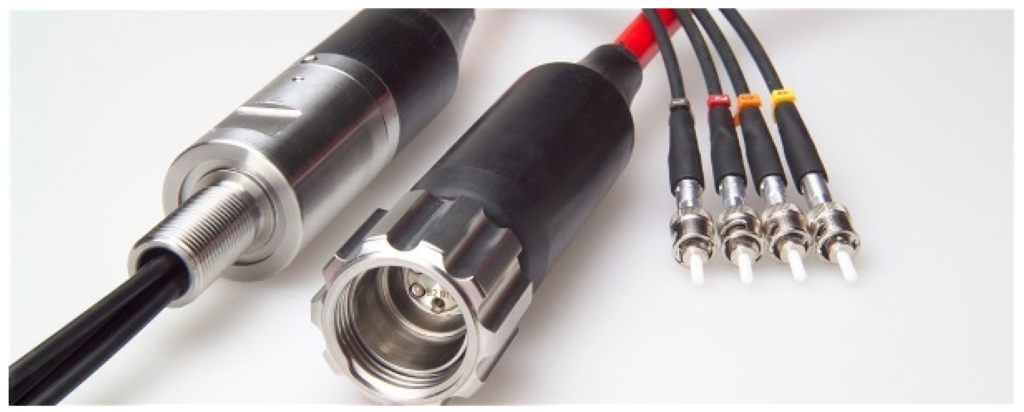
The Ultra-Compact 12-28 Core Watertight Connector is designed for applications where space is limited, but multiple electrical or signal connections are still required. However, choosing the right configuration involves more than simply selecting the smallest available connector. Factors such as core count, sealing performance, materials, operating conditions, electrical requirements, and installation method should all be considered.
Understand Your Application Requirements
Before purchasing a connector, begin by identifying exactly where and how it will be used. Different applications place different demands on electrical connections.
For underwater equipment, for example, the connector may need to withstand water pressure at a specific operating depth. Marine equipment may require excellent resistance to saltwater and corrosion, while industrial systems may experience vibration, temperature changes, chemicals, or mechanical stress.
Consider whether the connector will be installed on a remotely operated vehicle, underwater camera, sonar system, monitoring equipment, marine sensor, lighting system, or another piece of electrical equipment. Understanding the environment will help you determine the required sealing, mechanical protection, and material specifications.
Select the Appropriate Core Count
One of the most important considerations is the number of electrical or signal circuits your application requires. A connector with too few cores may prevent you from connecting all necessary functions, while choosing a much larger configuration than required can increase size and complexity.
The Ultra-Compact 12-28 Core Watertight Connector range can be particularly useful for equipment that requires multiple connections while maintaining a compact installation footprint. When deciding on the core configuration, make a complete list of the circuits that need to pass through the connector.
Remember to consider future requirements as well. If additional sensors, control lines, power connections, or communication circuits may be added later, selecting a suitable configuration now can reduce the need for modifications in the future.
Check Watertight Performance
Watertight performance is essential for equipment operating around or beneath water. Even a small amount of moisture entering an electrical connection can cause corrosion, insulation problems, short circuits, or intermittent signals.
When comparing connectors, check the manufacturer’s specified protection rating and operating conditions. Do not assume that every connector described as waterproof or watertight provides the same level of protection.
The sealing system should be appropriate for the intended application and installation method. Pay attention to seals, gaskets, O-rings, cable entries, and mating interfaces. Proper installation is equally important because even a high-quality connector can lose its protective performance if cables are incorrectly fitted or seals are damaged.
Consider Connector Materials
Material selection can have a major effect on connector durability. Marine and underwater applications are particularly challenging because saltwater can accelerate corrosion of unsuitable metals.
Look for construction materials that are appropriate for the surrounding environment. Depending on the application, this may include corrosion-resistant metals, engineered polymers, or specially treated components.
Also consider the materials used for contacts, insulation, and sealing components. Contact materials should provide reliable electrical performance, while insulation must remain stable across the expected temperature and environmental range.
If the connector will be exposed to seawater for long periods, corrosion resistance should be treated as a major purchasing factor rather than an optional feature.
Evaluate Electrical Specifications
Mechanical and environmental characteristics are important, but electrical specifications must also match your equipment.
Check the connector’s voltage and current capabilities against the requirements of your system. If different circuits carry different loads, verify that each circuit is suitable for the intended connector configuration.
Signal integrity can also be important for sensors, cameras, communication systems, and data equipment. In these applications, electrical characteristics such as contact resistance, shielding, and appropriate wiring arrangements may influence performance.
Avoid selecting a connector based only on its physical appearance. Always compare its technical specifications with the requirements provided by your equipment manufacturer.
Think About Size and Installation Space
Space is often limited inside underwater instruments and compact marine equipment. A connector that performs well but takes up too much room may be difficult to install or may interfere with other components.
This is where compact connector designs can provide an advantage. The Ultra-Compact 12-28 Core Watertight Connector can be considered when designers need multiple connection points without taking up unnecessary space.
Before ordering, measure the available panel, housing, and cable-entry space. Consider not only the connector body but also the space required for cable routing, mating, locking, and maintenance.
A good installation design should leave enough room for technicians to connect and disconnect the system without putting excessive force on cables or connector components.
Consider Mating and Locking Mechanisms
A reliable connector needs to remain securely connected during normal operation. Underwater equipment can experience vibration, movement, pressure changes, and mechanical forces, making the mating and locking system particularly important.
Look for a mechanism that is appropriate for the equipment’s operating environment. It should allow straightforward mating while preventing accidental separation.
If technicians will frequently disconnect the equipment, ease of handling becomes another consideration. A connector that is difficult to operate can increase maintenance time and create opportunities for installation errors.
Review Cable Compatibility
Connector selection should always include cable compatibility. Check the cable diameter, conductor arrangement, insulation type, and termination requirements.
A watertight connector must create an effective seal around the cable. If the cable size is incompatible with the connector’s sealing system, water resistance may be compromised.
It is also useful to consider how cables will be routed after installation. Avoid sharp bends, excessive tension, and unnecessary mechanical stress near the connector. Good cable management can significantly improve long-term reliability.
Consider Maintenance and Serviceability
Even durable connectors may eventually require inspection or replacement. Choosing a design that can be accessed and maintained efficiently can reduce downtime.
Check whether replacement components, seals, contacts, or compatible accessories are available. Documentation and installation guidance can also make a significant difference when equipment is being serviced in the field.
For mission-critical underwater systems, it is wise to establish an inspection schedule. Regularly check for visible corrosion, damaged seals, contamination, loose connections, or cable damage.
Compare Quality, Reliability, and Cost
Price should not be the only factor when selecting a connector. A cheaper component may become expensive if it fails frequently or requires premature replacement.
Instead, consider the total cost of ownership. A reliable connector can help reduce maintenance requirements, protect connected equipment, and minimize downtime.
The Ultra-Compact 12-28 Core Watertight Connector should therefore be evaluated according to its specifications, environmental suitability, construction quality, and compatibility with the complete system rather than simply its purchase price.
When comparing manufacturers, review technical documentation carefully and confirm that the connector has been designed for the intended operating environment.
Why Choose hysfsubsea?
hysfsubsea focuses on connection solutions for demanding underwater and marine applications where reliability, compact design, and environmental protection are important. When selecting a connector for specialized equipment, working with a supplier that understands underwater connection requirements can simplify the process.
A suitable solution should balance core capacity, sealing performance, electrical requirements, mechanical durability, and installation space. Buyers should also communicate their application conditions clearly so the appropriate configuration can be identified before installation.
Conclusion
Choosing the right connector requires careful consideration of the entire operating environment. Start by identifying your core requirements, electrical specifications, available installation space, cable dimensions, and expected exposure to water, pressure, corrosion, vibration, and temperature.
A Ultra-Compact 12-28 Core Watertight Connector can be a practical option for systems that need multiple electrical or signal connections within a restricted space. However, the best choice depends on matching the connector’s technical characteristics with the requirements of the complete application.
By comparing sealing performance, materials, electrical ratings, locking mechanisms, cable compatibility, maintenance requirements, and overall quality, engineers and equipment designers can make a more informed decision. Taking time to evaluate these factors before installation can improve reliability, simplify maintenance, and help protect valuable underwater and marine equipment over the long term.