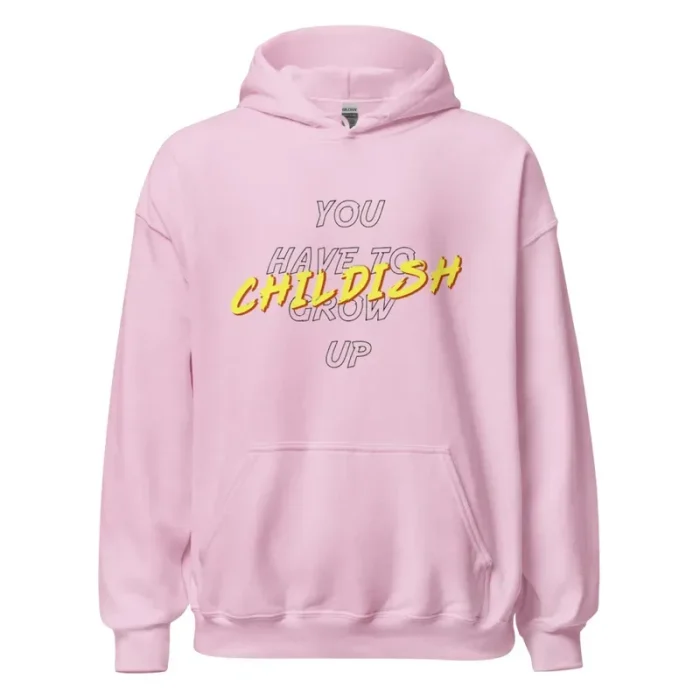
Childish clothing is an essential part of childhood because the right outfit can make a young child feel comfortable, confident, and ready for every little adventure. Children spend their days moving from one activity to another, whether they are playing with friends, attending school, visiting family, or discovering something new at home. Their clothing needs to support this energetic lifestyle without making movement difficult. Modern childish clothing has changed considerably, offering parents a wide range of comfortable fabrics, cheerful colors, imaginative designs, and practical styles. The best children’s clothes are not simply attractive; they are garments that fit naturally into a child’s everyday world.
Why Childish Clothing Is Different
Children’s clothing has unique requirements because young bodies are constantly growing and developing. Unlike adults, children may spend several hours running, climbing, sitting on the floor, jumping, and playing outdoors. Their clothing therefore needs to provide flexibility and comfort. Designs made specifically for children often include adjustable waistbands, soft materials, flexible cuts, and easy closures. These features make dressing simpler for parents and more convenient for children. A successful children’s outfit should allow freedom without looking untidy. It should also be suitable for the child’s age and activities while giving them enough space to move naturally.
Comfort Should Always Be a Priority
Comfort is one of the most important qualities in children’s fashion. A child who feels uncomfortable in an outfit may become distracted, irritated, or unwilling to wear it. Fabrics that feel soft against the skin are generally more pleasant for everyday use. Cotton is widely appreciated because it is lightweight and breathable, while stretch fabrics can offer additional flexibility. Parents should also pay attention to seams, labels, waistbands, collars, and fasteners. Small details can have a surprisingly large effect on comfort. When children feel relaxed in their clothes, they can focus on playing, learning, and enjoying their surroundings instead of worrying about what they are wearing.
Choosing Fabrics for Young Skin
Children’s skin can be sensitive, so fabric childish clothing deserves careful attention. Breathable materials are useful in warm conditions because they can help children remain comfortable during active periods. Lightweight cotton garments can be suitable for everyday summer wear, while warmer knitted materials can provide additional protection during cooler months. The texture of a fabric is also important. Rough or irritating materials may cause discomfort, especially when worn for several hours. Parents should consider the garment’s purpose before purchasing it. Clothes intended for outdoor play may need durability, while sleepwear may benefit more from softness and breathability.
Colors That Make Kidswear Exciting
Color adds personality to childish clothing. Children are often naturally attracted to cheerful shades, and colorful clothing can make ordinary outfits feel more exciting. Bright blue, sunny yellow, playful pink, fresh green, warm orange, and rich purple can create energetic combinations. At the same time, soft beige, cream, gray, pastel blue, and muted green can create a calm and modern appearance. There is no universal color rule for children because personal preferences vary widely. Allowing children to choose favorite colors can make them feel involved in decisions about their appearance. Even a simple outfit can become memorable when it features a color the child genuinely loves.
The Charm of Fun Prints
Prints and patterns give children’s clothing a distinctive character. Designers often use themes inspired by animals, nature, outer space, vehicles, flowers, stars, sports, and imaginative worlds. These designs can connect clothing with the interests of young wearers. A child who enjoys exploring nature may love animal or plant patterns, while a child fascinated by space might prefer planets and rockets. Simple designs such as stripes, checks, hearts, dots, and geometric shapes can also create attractive outfits. Patterns do not have to cover an entire garment. Sometimes a small graphic on a shirt or a decorative detail on a dress is enough to give the outfit a playful identity.
Everyday Clothing for Active Children
Everyday children’s clothes need to handle the realities of childhood. Kids can quickly turn a clean outfit into a messy one while playing outside, eating lunch, painting, or exploring the garden. This is why practical garments are especially valuable. Comfortable T-shirts, joggers, leggings, jeans, shorts, sweatshirts, and casual dresses can become reliable parts of a child’s wardrobe. Parents should consider whether a garment can survive frequent washing and repeated wear. Strong stitching and durable fabric can make a significant difference. Everyday clothing should be attractive enough for children to enjoy but practical enough that parents do not have to worry about every small stain.
Dressing Children According to the Season
Seasonal clothing plays an important role in keeping children comfortable. Warm weather generally calls for lightweight garments that allow air to circulate. Loose shirts, cotton dresses, shorts, and breathable trousers can be useful during hot days. When temperatures fall, children need warmer options such as sweaters, hoodies, coats, and layered outfits. Layering can be particularly practical because children may experience different temperatures throughout the day. A removable jacket or sweater gives them flexibility when moving between indoor and outdoor environments. During rainy weather, suitable outer layers can help protect clothing and keep children comfortable. Seasonal choices should always balance protection with freedom of movement.
School Clothing and Daily Routine
School clothing needs to be comfortable, practical, and appropriate for long hours of wear. Children may spend much of their day sitting in classrooms, walking between activities, playing during breaks, and participating in physical education. Clothing that feels restrictive can make these activities less enjoyable. If a school has a uniform, parents can focus on finding comfortable versions that fit properly and are easy to maintain. For schools without uniforms, simple combinations of shirts, trousers, skirts, dresses, and sweaters can work well. Easy-care fabrics are particularly useful because school clothes may require frequent washing.
Fashion for Parties and Special Events
Special occasions give children an opportunity to experience a more dressed-up side of fashion. Birthday parties, weddings, festivals, family gatherings, and school celebrations may call for outfits that are more decorative than everyday clothing. Dresses with attractive details, smart shirts, coordinated trousers, stylish skirts, and charming jackets can create a polished appearance. However, formal clothing should not sacrifice comfort. Children attending a celebration may want to run, dance, eat, and play with other children. Soft linings, flexible fabrics, comfortable shoes, and sensible designs can help them enjoy the occasion while still looking special.childish
The Importance of Proper Fit
Choosing the correct size is another important part of children’s clothing. Kids grow rapidly, so parents may be tempted to buy oversized garments to extend their usefulness. A little extra room can be practical, but clothing that is excessively large may interfere with movement. Garments that are too small can cause discomfort and restrict activity. Because children of the same age can have different heights and body shapes, age-based sizing should not always be treated as exact. Checking measurements and considering the garment’s cut can help parents make better decisions. Adjustable features can also provide additional flexibility as a child grows.
Helping Children Express Their Personality
Clothing can become an early form of self-expression. As children grow, they begin to understand colors, styles, patterns, and personal preferences. One child may love bright graphic shirts, while another may prefer simple outfits. Some children enjoy dresses and colorful accessories, while others feel happiest in comfortable trousers and sneakers. Parents can support this development by allowing children to make small clothing choices. Giving them a selection of appropriate outfits encourages independence while keeping practical considerations under control. This process can help children develop confidence and understand that personal style is about feeling comfortable with who they are.
Durability Matters for Growing Families
Children’s clothing experiences considerable wear, which makes durability valuable. A garment may be worn repeatedly, washed frequently, and exposed to outdoor activities. Quality construction can help clothing maintain its appearance and usefulness for longer. Parents do not necessarily need to spend large amounts of money on every item. Instead, they can focus on sensible materials, strong stitching, reliable fasteners, and versatile designs. Durable clothing can also become more economical because it does not need to be replaced as frequently. When garments remain in good condition after a child outgrows them, they can also be passed to another child.
Making Responsible Clothing Choices
Sustainability is becoming an increasingly relevant part of children’s fashion. Children often outgrow their clothes before the garments become unusable, creating an opportunity for reuse. Parents can donate, exchange, or pass suitable clothing to younger children. Purchasing secondhand garments can also reduce unnecessary consumption while providing affordable choices. Another useful approach is to buy versatile pieces that can be combined with different outfits. Choosing fewer but more useful garments can make a child’s wardrobe easier to manage. Responsible clothing habits can also teach children that possessions should be valued, maintained, and used thoughtfully rather than replaced unnecessarily.
Caring for Children’s Clothes
Proper care can extend the life of childish hoodie clothing. Parents should follow washing instructions because different fabrics respond differently to heat, detergents, and drying methods. Stains should ideally be treated as soon as possible because older stains can become more difficult to remove. Folding or hanging clean garments properly can also help keep wardrobes organized. Older children can participate in simple clothing-care routines, such as placing dirty garments in the laundry basket or putting clean clothes away. These small responsibilities teach useful habits while helping families maintain their wardrobes. Good care also means children can continue enjoying their favorite garments for a longer period.
Creating a Useful Children’s Wardrobe
A well-planned wardrobe does not need to contain a huge number of garments. Instead, it should include pieces that serve different purposes and work well together. Comfortable basics can form the foundation, while colorful shirts, patterned dresses, sweaters, jackets, and special outfits can provide variety. Parents can choose garments in complementary colors so that different pieces can be mixed and matched. This approach creates more outfit possibilities without requiring excessive shopping. A practical wardrobe also makes mornings easier because children and parents can quickly find suitable clothing for school, play, family visits, or special occasions.
Final Thoughts on Childish Clothing
Childish clothing is ultimately about much more than fashion. It is about giving children the comfort and freedom they need while allowing them to enjoy colors, patterns, creativity, and personal expression. The most successful children’s outfits combine soft fabrics, practical designs, suitable sizing, seasonal comfort, and attractive details. Parents can make thoughtful choices by considering how a garment feels, how often it will be worn, how easily it can be cared for, and whether it suits the child’s personality. Childhood is filled with movement, imagination, and discovery, and clothing should support that experience rather than get in the way. When comfort and creativity come together, childish clothing becomes a joyful part of growing up.