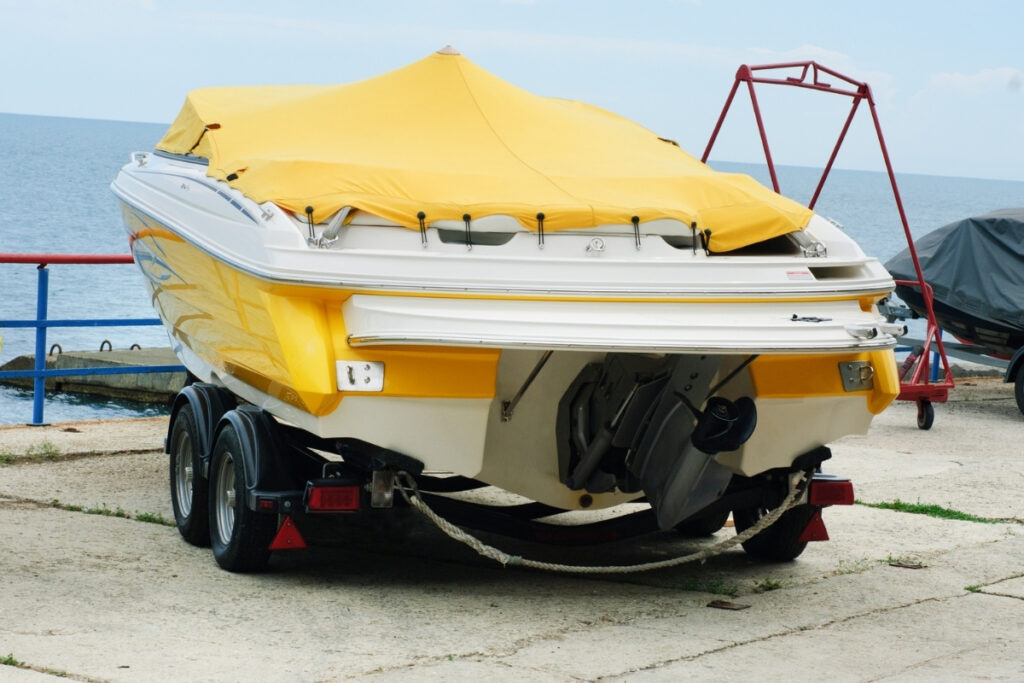
A small aluminium boat, commonly known as a tinny, is a practical choice for fishing, boating, exploring waterways and enjoying weekends on the water across Australia. However, owning the right boat is only part of the equation. A suitable trailer makes it easier to launch, retrieve, transport and store your boat safely. Choosing the wrong trailer can create problems with stability, loading, towing, corrosion, maintenance and overall handling. For this reason, it is worth taking time to understand what makes a trailer suitable for your particular boat before making a purchase.
If you are looking for a tinny trailer for sale, the first step is to consider more than the trailer’s appearance or price. The boat’s length, hull shape, total loaded weight, engine, fuel, battery and additional equipment all influence the type of trailer you need. Australian road conditions and local requirements should also be considered, particularly if you regularly travel between coastal areas, boat ramps and regional destinations. A well-matched trailer should support the boat correctly while providing a stable and predictable towing experience.
Understand Your Tinny Before Choosing a Trailer
Every small aluminium boat is different, so there is no single trailer that suits every tinny. Before comparing trailers, determine the exact length and width of your boat and check its approximate weight. Remember that the weight of an empty boat is not the same as the weight you will actually tow.
Your loaded boat may include an outboard motor, fuel tank, battery, safety equipment, anchor, fishing gear, seats, eskies and other accessories. These additions can make a noticeable difference to the total weight. A trailer should therefore have enough capacity for the complete loaded combination rather than just the bare hull.
It is also important to understand the boat’s hull design. The support points on the trailer need to suit the shape of the hull so that the boat remains properly supported during transportation. A trailer that does not provide appropriate support can place unnecessary stress on the hull and make launching or retrieving the boat more difficult.
Choose the Correct Trailer Capacity
Trailer capacity is one of the most important considerations when buying a trailer for a small aluminium boat. Avoid choosing a trailer based solely on the current weight of the boat. Think about how you intend to use the boat in the future and what equipment you may add.
A trailer with insufficient capacity can be unsafe and may suffer premature wear. At the same time, choosing a trailer that is unnecessarily large and heavy can add towing weight without providing meaningful benefits for a lightweight tinny.
The ideal option provides an appropriate safety margin while remaining practical for your boat and towing vehicle. Check the manufacturer’s specifications for the trailer’s aggregate trailer mass and ensure the combined loaded weight remains within all applicable limits. Your vehicle’s towing capacity, towbar rating and coupling capacity must also be considered as part of the complete towing combination. Queensland guidance states that the vehicle, trailer, tow coupling and loaded masses must meet applicable limits, and overloading a trailer is unsafe and illegal.
Consider the Trailer Frame and Construction
For Australian boating conditions, trailer construction deserves careful attention. Aluminium boats are often used in environments where trailers are exposed to water, mud, salt and changing weather conditions. A well-constructed trailer can help reduce maintenance requirements and provide long-term reliability.
Look closely at the frame, cross members, brackets, suspension components and other structural areas. The construction should be suitable for the boat’s weight and intended use. If you regularly launch in coastal areas, corrosion resistance becomes particularly important.
A trailer should also be designed to withstand the type of roads you expect to travel on. Someone who only drives short distances on smooth urban roads may have different requirements from a boat owner who regularly travels long distances to remote fishing locations. Think about your actual boating habits rather than choosing a trailer based only on its showroom appearance.
Roller or Bunk Support?
The way the boat sits on the trailer can have a major effect on launching and retrieval. Two common support approaches are rollers and bunks, and each can work well when correctly matched to the boat.
Rollers can make launching and retrieving a small boat relatively convenient, particularly when the ramp conditions and trailer setup are suitable. They allow the hull to move progressively along the trailer during launching and retrieval.
Bunks provide continuous or extended support along selected areas of the hull. This can be useful for providing stable support to an aluminium boat while it is being transported or stored.
The best choice depends on the hull design, boat size, ramp conditions and how frequently you launch. Whichever system you choose, make sure the support points are correctly positioned and adjusted. Poorly positioned supports can create pressure points and may affect the boat’s stability on the trailer.
Check the Winch and Bow Support
The winch assembly is another small but important part of a boat trailer. It should be appropriately rated for the boat and positioned so the bow can be pulled securely into the correct position.
The bow support should hold the front of the boat firmly without placing excessive pressure on the hull. When the boat is correctly positioned, the winch strap or cable should provide a secure connection to the bow.
The trailer’s winch is not the only restraint that matters. When transporting a boat, the boat should be properly secured to the trailer, including appropriate restraint at the stern. Loose equipment inside the boat should also be secured so it cannot move during travel.
Pay Attention to Suspension
Suspension influences the way your trailer behaves on the road. For a small tinny, the suspension should be appropriate for the trailer’s loaded mass and intended use.
A suspension system that is too stiff may transmit unnecessary movement to the boat, while unsuitable suspension may affect towing stability and component life. Consider whether you mainly travel short distances around town or frequently drive longer routes on highways and regional roads.
Suspension components should also be easy to inspect and maintain. Regularly checking springs, mounting points, wheels, bearings and other components can help identify wear before it becomes a larger problem.
Wheels, Tyres and Bearings Matter
A trailer may look structurally sound while still having problems with its running gear. Tyres should be suitable for the trailer and maintained at the recommended pressure. Check for uneven wear, cracking or other visible damage.
Wheel bearings deserve particular attention because boat trailers are frequently exposed to water. After launching and retrieving the boat, moisture can affect components if they are not properly protected and maintained.
Before a long trip, inspect the tyres, wheel nuts and bearings. A few minutes of preventative maintenance can reduce the likelihood of trailer problems occurring far from home.
Make Sure the Trailer Fits Your Tow Vehicle
Choosing a trailer should never be separated from choosing the towing vehicle. Your vehicle needs to be capable of safely towing the complete loaded trailer and boat combination.
Check the vehicle manufacturer’s towing limits and the towbar rating before buying. The coupling, safety chains, electrical connection and other towing equipment must also be appropriate for the trailer.
A trailer that is perfect for one vehicle may not be appropriate for another. Consider the vehicle’s towing capacity, towball rating, braking requirements and overall suitability. Queensland towing guidance also emphasises that the tow vehicle and trailer combination must be appropriately matched and that the driver is responsible for safe towing.
Braked or Unbraked Trailer?
Whether you need brakes depends on the trailer’s specifications, loaded mass and applicable requirements. Smaller boat trailers may fall into a category where an unbraked setup is suitable, while heavier combinations can require braking equipment.
Do not assume that a small boat automatically means you can use an unbraked trailer. Calculate the actual loaded weight and check the relevant requirements for your trailer and towing vehicle.
If you are purchasing a Tinny Trailer Brisbane boat, owners can use it; for example, the trailer should still be selected according to the actual boat and towing combination rather than simply its intended location. A trailer suitable for a lightweight tinny should be correctly specified for its loaded mass and the vehicle pulling it.
Consider Trailer Length and Boat Position
The trailer needs to provide adequate support without being unnecessarily long. The boat should sit correctly on the trailer, with the bow positioned securely and the hull supported in the intended locations.
A correctly positioned boat can contribute to better weight distribution and easier handling. If the boat sits too far forward or too far back, the combination may not behave as expected.
Pay attention to the position of the axle, winch post, rollers or bunks and drawbar. These components work together to determine how the boat’s weight is distributed across the trailer.
Think About Launching and Retrieval
A trailer that is excellent on the road can still be frustrating at the boat ramp if it is difficult to launch or retrieve. Consider the ramps you normally use and how easily the trailer can enter and exit the water.
A lightweight tinny is generally convenient to launch, but trailer setup still matters. The rollers or bunks should allow the boat to move smoothly while the winch makes retrieval controlled and manageable.
If you often launch alone, ease of use becomes even more important. Features that make alignment, winching and securing the boat simpler can save considerable time.
Corrosion Protection for Australian Conditions
Water exposure is unavoidable for most boat trailers, but saltwater environments demand extra care. Corrosion can affect frames, fasteners, suspension components, brakes, electrical connections and other parts.
After using the trailer in saltwater, rinse it thoroughly with fresh water where appropriate. Pay attention to areas where salt, sand or mud can accumulate. Regular inspection is particularly important if you frequently use coastal boat ramps.
When comparing a Boat Trailer Queensland buyer can use in different environments, consider how the trailer has been constructed and protected against the conditions in which it will operate. A trailer used regularly near the coast may require more frequent cleaning and maintenance than one used mainly around inland waterways.
Trailer Lights and Electrical Components
Trailer lights are essential for safe road travel and should be checked before every significant trip. Make sure indicators, brake lights, tail lights and the number plate light operate correctly.
Electrical connections can be vulnerable to water exposure, particularly when a trailer is regularly launched into the water. Inspect plugs, wiring and connections for visible damage or corrosion.
A lighting fault may be inconvenient at home but could become a serious issue when travelling at night or over long distances. Building a quick lighting check into your pre-trip routine is therefore worthwhile.
Registration and Compliance
Trailer registration and compliance requirements vary according to the state or territory in which the trailer is operated. If you are purchasing or registering a trailer in Queensland, trailers used on Queensland roads must be registered. Queensland also has specific requirements relating to inspections and safety certificates depending on the trailer’s mass and circumstances.
New trailers also need to meet the applicable Australian Design Rules and other requirements. Before purchasing, make sure the trailer has the documentation and identification information needed for registration and lawful road use.
This is particularly important when buying a used trailer. Confirm the registration status, identification details and relevant paperwork before completing the purchase.
New or Used Tinny Trailer?
Both new and used trailers can be suitable choices. A new trailer offers the advantage of knowing its history and selecting specifications specifically for your boat. A used trailer may provide value, but it requires a more careful inspection.
When inspecting a used trailer, look for rust or corrosion, cracks, damaged welds, worn tyres, bearing issues, suspension problems and damaged rollers or bunks. Check the winch, coupling, safety chains and lights as well.
Do not focus only on the price. A cheaper trailer that requires extensive repairs may ultimately cost more than a properly maintained trailer that is ready for use.
Create a Simple Pre-Trip Inspection Routine
Before towing your tinny, develop a routine that takes only a few minutes. Check that the boat is positioned correctly and securely restrained. Inspect the winch connection, stern strap, coupling and safety chains.
Check the tyres and lights, confirm that the trailer is connected properly and make sure loose items inside the boat are secured. Also check that the outboard and other equipment are appropriately secured for road transport.
This simple routine can help identify problems before you leave home rather than discovering them on the highway.
Final Thoughts
Choosing the right trailer for a small aluminium boat is about creating a balanced combination between the boat, trailer and towing vehicle. Capacity, construction, hull support, suspension, tyres, bearings, winch equipment, corrosion protection and legal compliance all deserve consideration before you buy. A trailer that matches your boat correctly can make launching easier, improve towing confidence and help protect your investment over the long term.
Whether you are searching for a Tinny Trailer for Sale, comparing options for a Tinny Trailer Brisbane boat setup or looking for a reliable Boat Trailer Queensland solution, take the time to match the trailer to your boat’s actual specifications and your intended use. For quality boat and trailer solutions in Australia, visit Alycraft Trailers to explore suitable options and find a setup designed around your boating needs.