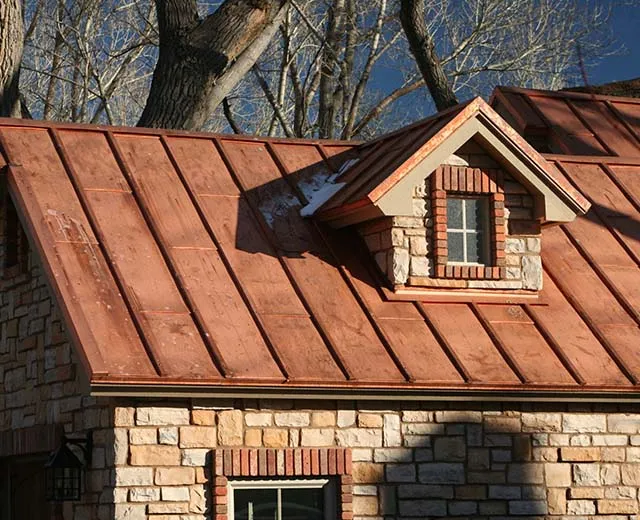
Walk through any older neighborhood and you’ll notice them: the copper domes, slate ridges, and weathered metal roofs that have watched over towns for a century or more. These roofs tell stories. But time, weather, and neglect eventually catch up with them.
Historic roof restoration is the careful work of bringing these aging structures back to life. It blends old-world craftsmanship with modern materials, all while keeping a building’s original character intact. Across the United States, this practice has grown as more communities recognize the value of saving their landmarks instead of tearing them down.
Why These Roofs Matter
A roof does more than keep rain out. On a historic building, it defines the entire look. Think of a church steeple, a courthouse dome, or the pitched slate of a Victorian home. Change the roof carelessly, and you lose part of the story.
That’s why restoration takes patience. The goal isn’t to make an old roof look brand new. It’s to preserve what makes it special while fixing the damage underneath. Skilled workers often study original photos, building records, and even nearby structures to match materials and methods.
The Real Challenges Involved
Restoring an old roof is rarely simple. Many original materials are no longer made, or they cost a fortune to source. Copper, slate, and terracotta tiles each age differently, and each demands its own approach.
Weather plays a role too. In coastal parts of the United States, salt air speeds up corrosion. In northern regions, freeze-and-thaw cycles crack tiles and loosen fasteners. A good restoration plan accounts for the local climate, not just the building’s age.
Then there’s the matter of rules. Many historic properties fall under preservation guidelines. Any work must respect those standards, which sometimes limits what materials or colors can be used.
The Benefits of Doing It Right
When done well, restoration pays off in more ways than one. A properly restored roof can last decades, often outlasting cheaper replacements. It protects the structure below and keeps repair costs down over time.
There’s also the cultural side. Preserved buildings anchor a community’s identity. They draw visitors, support local pride, and keep architectural history alive for future generations.
Property owners benefit financially, too. A well-maintained historic building often holds its value better and may qualify for preservation tax incentives in parts of the United States.
Where Craft Meets Creativity
Restoration isn’t always about matching the past exactly. Sometimes it opens the door to something new. Designers occasionally pair traditional roofing with architectural art installations, blending heritage with fresh visual detail.
A restored copper roof, for instance, can become a canvas of its own. Some projects use specialty coatings to recreate the warm patina copper develops over decades. Products like Copper Liquid Paint have been used in this space to give surfaces that aged, natural finish without waiting years for it to form.
These creative touches show up on more than just old buildings. Modern architectural art installations sometimes borrow restoration techniques to give new structures a sense of history and warmth.
Real Situations You Might Recognize
Picture a small-town library in the Midwest. Its original tin roof had rusted through in spots, letting water seep into the reading rooms. Rather than replace it with modern shingles, the town raised funds to restore the metal roof to its former shape. The result kept the building’s charm and stopped the leaks for good.
Or consider a historic hotel along the East Coast of the United States. Decades of ocean wind had dulled its copper accents. A restoration crew cleaned, repaired, and refinished the surfaces, bringing back the glow that first made the building a landmark.
Stories like these repeat across the country every year. Each one proves that careful work beats quick fixes when history is on the line.
FAQs
How much does historic roof restoration usually cost?
Costs vary widely based on materials, roof size, and damage. Slate and copper work tend to cost more than standard roofing because they require specialized skills and rare materials.
How long does a restored historic roof last?
With quality materials and proper care, many restored roofs last 50 years or more. Copper and slate roofs, in particular, are known for their long lifespans.
Can old roofing materials be reused during restoration?
Often, yes. Skilled crews salvage and reinstall original tiles or metal panels when possible. This helps preserve authenticity and reduces the need for hard-to-find replacements.
Are there rules for restoring a historic roof?
Many historic properties follow preservation guidelines that limit changes to materials, colors, and design. It’s wise to check local requirements before starting any work.
What’s the difference between restoration and replacement?
Restoration keeps and repairs original features, while replacement swaps them for new materials. Restoration focuses on preserving a building’s history and character.