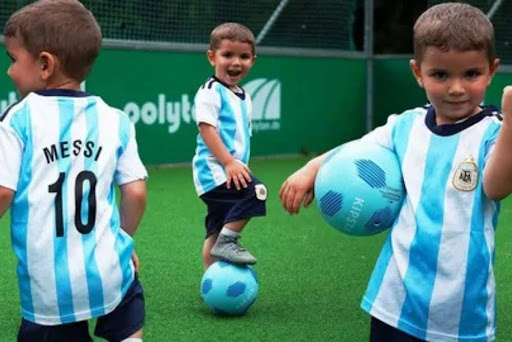
For many Sydney families, soccer is more than a weekend activity. It can be an enjoyable way for young children to stay active, build confidence, and learn how to interact with others. When toddlers are introduced to the game through age-appropriate activities, the experience can create positive associations with sport from an early age.
Finding the right toddler soccer program in Sydney, however, requires more than choosing the nearest training venue. Toddlers have different physical, emotional, and attention needs from older children. A good program should focus on movement, simple skills, social interaction, and enjoyment rather than competitive performance.
Parents should therefore look beyond the name of an academy and consider coaching quality, session structure, safety, location, class size, and the overall atmosphere. The right environment can help a young player develop naturally while giving parents confidence that their child is enjoying a safe and supportive introduction to soccer.
Why Toddler Soccer Can Be Valuable for Young Children
Toddler soccer programs are generally designed around basic movement rather than formal competition. Children may practice running, stopping, balancing, kicking, changing direction, and following simple instructions. These activities can support physical coordination while introducing children to the basic ideas behind soccer.
Another benefit is social development. A toddler may learn to wait for a turn, listen to a coach, interact with other children, and participate in a shared activity. These small experiences can gradually strengthen confidence and communication.
For example, a session might involve children dribbling a soft ball around cones before playing a simple movement game. Instead of expecting perfect technique, the coach encourages participation and celebrates effort. This approach makes soccer approachable for beginners and helps children associate physical activity with enjoyment.
What Parents Should Look for in Toddler Soccer in Sydney
Choosing a suitable program starts with understanding what makes toddler training different from traditional junior soccer. At this age, sessions should be short, engaging, flexible, and built around activities that children can understand.
Parents should ask whether coaches have experience working with very young children. A coach who understands toddler behaviour can redirect attention without making the child feel pressured. It is also useful to check class sizes because smaller groups may allow more individual attention.
The training environment matters as well. Parents can look for clean playing areas, suitable equipment, secure facilities, and clear safety procedures. A trial session can be particularly helpful. It allows parents to observe how coaches communicate with children and whether the atmosphere feels welcoming.
Making the First Soccer Experience Positive
The first few sessions can influence how a child feels about organized sport. Parents should therefore avoid putting pressure on toddlers to score goals, master dribbling, or immediately participate without hesitation.
Some children may enthusiastically join the group from the first minute, while others may watch before becoming comfortable. Both reactions can be completely normal. Coaches should allow children time to adjust while encouraging them to participate at their own pace.
Parents can also help by keeping preparation simple. Comfortable sports clothing, suitable footwear, water, and a positive attitude are usually more useful than expensive equipment.
A helpful example is arriving a little early so the child can explore the environment before training begins. Familiarity with the field, coach, and equipment can reduce nervousness and make the session feel less overwhelming.
Choosing a Convenient Sydney Location
Sydney is a large city, so location should be an important consideration when selecting a toddler soccer program. A highly regarded academy may still be impractical if regular travel creates stress for the family.
Parents should consider journey time, parking or public transport access, session schedules, and whether the location fits around childcare, school, and family commitments. Consistency is often easier when training is convenient.
For example, a 20-minute trip to a nearby program may be more sustainable than travelling across Sydney for a session that requires significant planning. Toddlers can also become tired during long journeys, particularly when training takes place early in the morning or later in the day.
The best toddler soccer in Sydney option is not necessarily the one with the biggest facilities. It is often the program that provides a good combination of quality coaching, accessibility, appropriate activities, and a comfortable routine for the child and family.
Understanding the Coaching Approach
Coaching quality is one of the most important factors in early childhood soccer. Toddlers learn differently from older players, so coaches should use simple language, demonstrations, repetition, games, and encouragement.
Instead of delivering lengthy technical explanations, a coach might demonstrate a basic kicking movement and then turn it into a fun activity. This keeps children engaged while helping them learn through repetition.
Parents should observe whether coaches speak respectfully to children and respond appropriately when a toddler becomes distracted. Young players may lose concentration quickly, and effective coaches understand how to bring their attention back without creating unnecessary pressure.
It is also worth asking about coach-to-child ratios and whether assistants are available during sessions. A supportive coaching team can make it easier to manage different confidence levels and abilities within the same group.
Safety and Age-Appropriate Equipment Matter
Safety should always be a priority when selecting a toddler soccer program. Parents should check whether the playing surface is suitable, whether equipment is designed for young children, and whether coaches have appropriate safety procedures.
Toddlers generally benefit from smaller, lighter soccer balls and training equipment that matches their physical abilities. Activities should also provide enough space for children to move without unnecessary collisions.
Parents can ask how the program handles minor injuries, extreme weather, hydration, and emergencies. They should also understand what clothing and footwear are recommended for the sessions.
Safety does not mean removing all challenge from the activity. Children still need opportunities to run, kick, turn, and explore movement. The goal is to create an environment where they can develop those abilities while reasonable risks are managed appropriately.
How Parents Can Support Development at Home
Parents do not need to recreate a formal soccer training session at home. Simple games can provide valuable opportunities for children to become comfortable with a ball.
A parent might gently roll a ball toward the child and encourage them to stop it with their foot. Another activity could involve kicking a soft ball toward a large target. Even walking or running with a ball can help children develop basic coordination.
The most important element is keeping activities enjoyable. If a toddler loses interest, there is little benefit in forcing them to continue. Short, playful activities are often more effective than structured drills at this age.
Parents can also encourage effort rather than results. Saying “great try” or “that was a strong kick” reinforces participation and confidence. Over time, these positive experiences can help children become more comfortable with physical activity and organized sport.
When Should a Child Start Toddler Soccer?
There is no single starting age that works perfectly for every child. Development, confidence, personality, physical ability, and interest can all influence readiness.
Some toddlers may enjoy group activities early, while others may need more time before they are comfortable following instructions or participating around unfamiliar children. Parents should look for programs specifically designed for the child’s age rather than placing a toddler into a session intended for much older players.
Signs of readiness can include an interest in kicking or chasing a ball, enjoying active play, responding to simple instructions, and showing curiosity about group activities.
If a child is hesitant during the first session, parents should not automatically assume the program is unsuitable. A gradual introduction may be helpful. However, if the child consistently appears distressed or uncomfortable, it may be better to try a different environment or wait before continuing.
Comparing Programs Before Making a Decision
Before enrolling, parents can create a simple comparison based on the factors that matter most to their family. Coaching quality, class size, location, schedule, safety, cost, and trial opportunities are useful areas to consider.
Parents should also read current reviews carefully, but reviews should not be the only deciding factor. A program that works exceptionally well for one family may not suit another child’s personality or schedule.
A trial class can provide valuable firsthand information. Parents can observe whether the coach engages with children, whether activities are age-appropriate, and whether children appear comfortable and interested.
The right program should feel like a positive introduction to soccer rather than a high-pressure sporting commitment. At the toddler stage, enjoyment and confidence provide a stronger foundation than competition or advanced technique.
Conclusion
Choosing toddler soccer in Sydney is ultimately about finding an environment where young children can move, play, learn, and build confidence. Parents should consider coaching style, safety, equipment, class structure, location, and the child’s individual personality before making a decision.
A well-designed toddler program does not need to produce an advanced soccer player immediately. Its greater value is helping children discover the enjoyment of movement and teamwork. With supportive coaching and realistic expectations, early soccer can become a fun experience that encourages an active lifestyle and creates a positive foundation for future participation in sport.
Frequently Asked Questions
What age is suitable for toddler soccer?
The suitable age varies between programs and children. Parents should choose a session specifically designed for toddlers and consider their child’s physical development, confidence, and interest in group activities.
What should a toddler wear for soccer?
Comfortable sports clothing and suitable footwear are generally appropriate. Parents should follow the specific program’s recommendations and consider weather conditions when preparing their child for outdoor sessions.
Does toddler soccer focus on competition?
Most age-appropriate toddler programs should emphasize movement, basic ball skills, participation, and enjoyment rather than competitive results. Parents should ask the academy about its coaching philosophy before enrolling.
How often should a toddler attend soccer?
The ideal frequency depends on the child’s age, energy levels, and schedule. One regular weekly session can provide a manageable introduction, while some children may enjoy additional informal ball play at home.
How can parents choose the best toddler soccer program in Sydney?
Parents should compare coaching experience, class size, safety standards, location, session structure, equipment, schedule, and trial options. Most importantly, the program should make the child feel comfortable, included, and excited to participate.