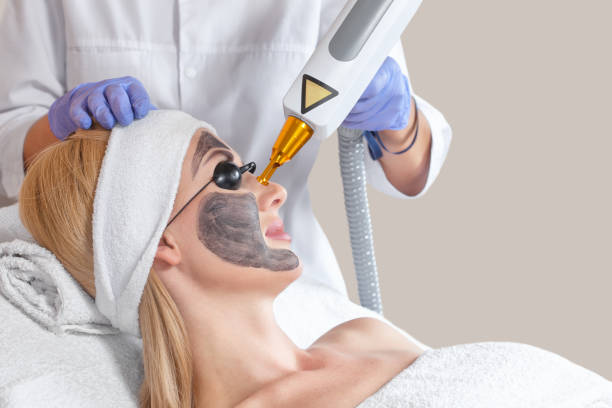
Mild pigmentation can make the complexion appear less even, particularly when small areas of darker-looking skin stand out against the surrounding tone. A laser carbon peel is a cosmetic treatment that may help improve the overall appearance of the skin by combining surface cleansing with controlled laser energy. For people researching Laser Carbon Peel in Abu Dhabi, understanding how this treatment relates to mild pigmentation can help create realistic expectations. While a carbon peel is not designed to change a person’s natural skin tone, its ability to refresh the surface and improve overall complexion clarity may make some forms of mild pigmentation appear less noticeable.
What Is Mild Pigmentation?
Pigmentation refers to changes in the amount or distribution of melanin, the natural pigment responsible for skin color. Mild pigmentation may appear as small areas of uneven tone, faint dark marks, or a complexion that looks slightly less uniform.
Pigmentation can develop for different reasons, including ultraviolet exposure, natural skin changes, and previous inflammation. Because the underlying causes vary, treatment results can also differ considerably from one person to another.
When pigmentation is subtle and relatively superficial, cosmetic treatments that improve the appearance of the skin’s surface may contribute to a more even-looking complexion. However, identifying the nature of the pigmentation remains important before choosing any laser-based procedure.
How Does Laser Carbon Peel Work?
A laser carbon peel typically involves applying a thin layer of carbon-based material to the skin. The carbon interacts with oil and surface impurities, after which controlled laser energy is used to target the carbon layer.
This process helps refresh the outer appearance of the skin and can improve the look of texture and clarity. The laser may also deliver controlled energy to the skin, supporting natural renewal processes depending on the technology and settings used.
Because the procedure primarily focuses on surface refinement and overall skin quality, its relationship with pigmentation is different from treatments specifically designed to target pigment-producing cells.
Can It Help With Mild Pigmentation?
A laser carbon peel may help improve the appearance of mild pigmentation in some circumstances, particularly when uneven tone is accompanied by dullness, surface buildup, or mild textural irregularity. By refining the surface, the complexion may appear more uniform.
However, it is important not to consider a carbon peel a dedicated pigmentation-removal treatment. Its cosmetic purpose is broader, focusing on overall skin clarity, smoothness, oil control, and radiance. Any improvement in mild pigmentation may therefore be part of a broader enhancement in complexion quality.
The outcome depends on the type, depth, and cause of pigmentation, as well as the laser technology and treatment parameters selected.
Why Does Surface Texture Matter?
Pigmentation can appear more noticeable when the surrounding skin is dull or uneven. Roughness and surface buildup can make differences in tone stand out more strongly.
By helping refine the appearance of the outer layer, a carbon peel can create a smoother visual surface. When the skin becomes more uniform in texture, mild variations in pigmentation may appear less prominent.
This does not necessarily mean that the pigment itself has been completely removed. Instead, improving the surrounding skin quality can contribute to a more balanced overall appearance.
Can It Improve an Uneven Complexion?
Yes, a laser carbon peel may contribute to a more even-looking complexion by addressing several surface-related concerns at once. Excess oil, accumulated impurities, dullness, and uneven texture can all affect how consistently the skin appears toned.
When these factors are reduced, the complexion may look cleaner and more polished. This can make mild pigmentation less visually dominant, particularly when the discoloration is relatively subtle.
The treatment’s effect on complexion evenness is therefore often connected to its overall skin-refining properties rather than direct pigment removal alone.
What Role Does Laser Energy Play?
The laser component is important because the type of wavelength and energy used determines how the treatment interacts with the skin. Melanin absorbs certain wavelengths more readily than others, making laser selection particularly important when addressing pigmented skin.
For individuals with darker skin tones, appropriate wavelength selection and conservative treatment settings are especially relevant. A carefully tailored approach helps align the treatment with the individual’s natural melanin level and pigmentation pattern.
The objective is to improve the appearance of the complexion while preserving its natural tone and uniformity.
Can It Address Dark Spots?
Whether a carbon peel can improve the appearance of a particular dark spot depends on what caused it and how deeply the pigment is located. Mild, superficial discoloration may respond differently from deeper or longstanding pigmentation.
A carbon peel may help improve overall skin clarity and make subtle spots appear less prominent. However, pigmentation that is strongly concentrated or located deeper within the skin may require a treatment specifically designed to target pigment.
Understanding this distinction can prevent unrealistic expectations and help ensure that the chosen procedure matches the actual concern.
Is It Suitable for Darker Skin Tones?
Darker skin contains more melanin, which can influence how laser energy is absorbed. This does not automatically make laser carbon peel unsuitable, but it does make individualized treatment planning particularly important.
The laser wavelength, energy level, pulse characteristics, and treatment technique should be selected according to the person’s skin type and pigmentation pattern. Fitzpatrick skin type, current pigmentation, and previous cosmetic treatment history can all be relevant.
An appropriately tailored treatment approach is more important than simply choosing a procedure based on its general popularity or description.
How Does It Compare With Pigmentation-Focused Treatments?
A carbon peel and a pigmentation-focused laser treatment may have different objectives. A carbon peel is generally intended to improve overall skin appearance by addressing surface impurities, oiliness, texture, and radiance.
Pigmentation-specific procedures, in contrast, are designed to target melanin more directly. For someone with mild pigmentation accompanied by dullness and uneven texture, a carbon peel may provide a broader complexion-enhancing effect. For more prominent discoloration, another approach may be considered depending on its cause.
The most appropriate option depends on whether the primary goal is general skin refinement or direct treatment of pigmentation.
How Many Sessions May Be Needed?
The number of sessions varies according to the individual’s skin condition and treatment objectives. Some people may notice an improvement in overall complexion clarity after an initial treatment, while more gradual changes may require multiple sessions.
There is no universal schedule because pigmentation can respond differently depending on its cause, depth, and relationship to the surrounding skin. Treatment intervals should therefore be individualized.
What Results Should You Expect?
The most realistic expectation from a laser carbon peel is a fresher, cleaner, and more refined-looking complexion. If mild pigmentation is accompanied by dullness or uneven texture, improving these surrounding features may make the overall skin tone appear more balanced.
The treatment should not be expected to erase every type of pigmentation. Results depend on the underlying cause and the specific laser approach used. A realistic goal is gradual improvement in the appearance of complexion clarity and uniformity rather than complete elimination of every darker area.
The Bottom Line
Laser carbon peel may help improve the appearance of mild pigmentation when uneven tone is accompanied by surface dullness, oiliness, or irregular texture. Its main benefit is overall skin refinement, and this can make subtle pigmentation appear less noticeable by creating a cleaner, smoother, and more uniform-looking complexion.
It is important to distinguish between improving the appearance of pigmentation and directly targeting melanin. The suitability of the treatment depends on the type of pigmentation, skin tone, laser technology, and individualized treatment settings. For darker complexions especially, careful treatment planning is essential.
FAQs
Can laser carbon peel remove mild pigmentation completely?
A carbon peel is not primarily designed to completely remove pigmentation. It may improve the appearance of mild uneven tone by refining the skin’s surface and enhancing overall complexion clarity.
Is laser carbon peel suitable for pigmentation on darker skin?
It may be suitable for some darker skin tones when the appropriate laser technology and treatment parameters are selected. Because melanin interacts with laser energy, individualized settings are important.
Can a carbon peel help with small dark spots?
It may make some subtle spots appear less noticeable as the overall complexion becomes smoother and more uniform. The result depends on the cause and depth of the pigmentation.
How does a carbon peel improve uneven-looking skin?
The treatment helps address surface impurities, excess oil, dullness, and texture. Improving these factors can create a more consistent-looking surface and make mild variations in pigmentation less visually prominent.
Is laser carbon peel mainly a pigmentation treatment?
No. It is generally considered a broader skin-refining treatment. Its cosmetic applications commonly include improving the appearance of dullness, surface texture, excess oil, and enlarged-looking pores, with potential benefits for mild uneven pigmentation as part of overall complexion improvement.